We use cookies to make your experience better. To comply with the new e-Privacy directive, we need to ask for your consent to set the cookies. Learn more.

Duck Varieties and Their Distinct Calls
- September 27, 2024
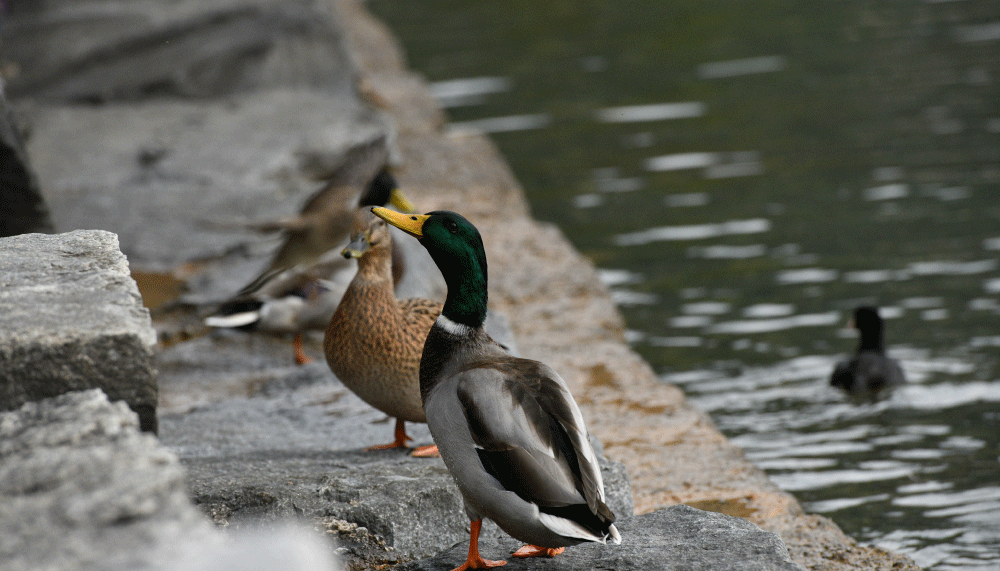
Ducks are far from being a one-size-fits-all group of birds. With over 120 species worldwide, their calls are as varied as their feathers. From whistling tree ducks to the iconic mallard quack, each duck has evolved its own unique vocal signature, used to attract mates, ward off predators, or keep in touch with the flock. Whether you're a birdwatcher, wildfowl enthusiast, or simply curious about the natural soundscape near your local pond, recognising these calls can be as rewarding as identifying the birds themselves.
Dabbling Ducks: The Classic Quackers
Dabbling ducks are often the most familiar to the casual observer, regularly seen tipping tail-up in shallow waters as they feed near the surface. But it's not just their feeding style that sets them apart; they're also some of the noisiest members of the duck world.
Mallard
Arguably, the most iconic duck call belongs to the female mallard. Her loud, rhythmic “quack-quack-quack” is instantly recognisable and has become the archetype for duck sounds across cultures. Interestingly, the male mallard is much quieter, typically producing softer rasps or whistles.
Gadwall
Often mistaken for quieter mallards due to their muted colours, gadwalls produce a much less conspicuous sound. Males emit a series of short, nasal “nhek-nhek” calls during courtship, while females give harsh, croaking quacks when alarmed.
Northern Pintail
More elegant in both form and voice, the male pintail emits a high-pitched “prreep-prreep” whistle, almost musical in quality. Females, meanwhile, make a low, grating quack when threatened or separated from their young.
Teal
Both the Eurasian and green-winged teal are known for their soft, flute-like calls. The male green-winged teal produces a delicate, whistling “peep,” while the Eurasian male creates a crisp, metallic “crick-crick.” These sounds are typically heard during display flights or while moving through the reeds.
Dabbling duck calls are varied but generally louder and more frequent than those of other duck groups. Their vocalisations play a key role in flock cohesion and pair bonding, particularly in busy wetlands where visibility is limited.
Diving Ducks: Subtle Sounds Beneath the Surface
Unlike their surface-feeding cousins, diving ducks spend much of their time underwater, foraging for food in deeper lakes and coastal waters. Their calls are generally quieter and less conspicuous, adapted for communication within closer quarters or during courtship.
Tufted Duck
The tufted duck is a common sight on British lakes, especially in winter. Males produce a low, nasal “wit-wit” during breeding season, which contrasts with their otherwise silent nature. Females give a rasping “karr” sound, usually only when startled.
Common Pochard
Male pochards have a soft, rolling whistle, often described as a “whou-whou” sound, delivered during elaborate head-throwing courtship displays. The female’s contribution is a sharp, growling quack, mostly used to signal agitation or danger.
Scaup
Scaup calls are rarely heard outside breeding grounds, but during mating displays, males make a subtle “skeeoo” or “whooee” sound, paired with physical gestures. Females emit a curt “rah-rah” call to ward off rival hens or protect ducklings.
Goldeneye
Known for their flashy plumage and head-bobbing courtship rituals, goldeneyes produce a unique, squeaky whistle reminiscent of a rubber toy. This high-pitched “zeep” is one of the more distinctive calls among diving ducks and is especially pronounced during flight.
Diving ducks rely less on vocalisation for everyday communication and more on visual displays and body language. However, their breeding season repertoire offers a hauntingly subtle soundscape that often goes unnoticed by the untrained ear.
Whistling Ducks and Other Vocal Outliers
Not all ducks fit neatly into the dabbling or diving categories. Some species are set apart not only by their behaviour but by the extraordinary nature of their calls. Chief among these are the aptly named whistling ducks, whose high-pitched duck call whistle gives them both their name and their charm, as well as a few unique outliers that defy conventional duck sounds altogether.
Black-bellied Whistling Duck
True to its name, this species produces a clear, two-note whistle that sounds almost tropical. The high-pitched “wee-ooo” or “pe-chee” is often repeated rapidly in flight and can carry over long distances, making it useful for keeping flocks together in open habitats.
Fulvous Whistling Duck
With a call more like a soft, whimpering whistle, the fulvous whistling duck sounds far gentler than its bold appearance suggests. Both sexes call frequently, using a breathy “peep-peep” or “wee-wee” sound, particularly when moving through tall grasses or marshes.
Eider Duck
Eiders are sea ducks known for their haunting calls. The male common eider gives a deep, crooning “ah-ooo” during courtship, a sound some liken to the coo of a pigeon or even a distant foghorn. Females, more reserved, utter soft growls and quacks to guide ducklings or express alarm.
Muscovy Duck
Native to Central and South America and often found on farms, the Muscovy is a vocal anomaly. Unlike most ducks, it does not quack. Males produce a breathy hissing sound, while females make a quiet, trilling coo. These un-ducklike noises can be surprising if you’re expecting classic quacks.
These vocal outliers enrich the soundscape of the duck world with tones that are often more melodic, mysterious, or even bizarre. Their calls often reflect unique evolutionary pressures, whether it's communicating over long distances in open wetlands or avoiding detection by predators.
Duckling Vocalisations: Early Communication for Survival
Before a duck ever quacks or whistles like an adult, it starts life with a voice perfectly tuned to its needs. Ducklings begin vocalising while still inside the egg, and these early calls lay the foundation for their survival and bonding with their mothers.
Pre-Hatch Calls
Remarkably, ducklings can produce soft peeping sounds just days before hatching. These prenatal vocalisations allow siblings to synchronise hatching times and may even help strengthen the maternal bond before they see the outside world.
Post-Hatch Communication
Once hatched, ducklings rely heavily on sound to stay connected with their mother and siblings. Their calls are high-pitched, rapid “peep-peep” sounds used to signal hunger, distress, or separation. These cries are particularly urgent when a duckling is isolated, prompting swift action from the mother.
Maternal Responses
Mother ducks are attuned to these vocal cues and respond with specific calls to gather, reassure, or direct their brood. A soft clucking sound may signal calm and safety, while a sharper, louder quack warns of potential danger and encourages ducklings to regroup.
Species Variation
While most ducklings share similar peeping patterns, subtle differences do exist. Mallard ducklings, for instance, tend to be more vocal and persistent than the quieter young of diving ducks. These distinctions mirror the behavioural strategies of the species; more active, mobile ducklings need more frequent communication.
Duckling vocalisations might seem simple, but they form a critical part of a young bird’s early development. Understanding these sounds can offer insight into a duck’s early learning, social bonding, and instinctive survival strategies.
How to Identify Duck Calls in the Wild
Recognising duck calls can elevate any walk near a wetland into a more immersive experience. But without visual confirmation, it can be tricky to identify which duck is making what sound. Fortunately, there are reliable methods to help train your ear and sharpen your skills.
Listen for Repetition and Rhythm
Duck calls often follow a consistent rhythm. For example, the mallard’s familiar “quack-quack-quack” is evenly spaced and repeated. Whistling ducks, on the other hand, may emit a series of two-note whistles in quick succession. Learning these patterns is often the first step to accurate identification.
Consider the Environment
Habitat can offer vital clues. Dabbling ducks tend to call from reedy edges or open shallows, while diving ducks are more likely heard in deeper lakes. Whistling ducks prefer open marshes or rice fields. Listening in context helps eliminate unlikely suspects.
Use Mobile Apps or Recordings
Bird identification apps like Merlin Bird ID or Xeno-canto allow you to listen to duck calls from different species and compare them in real time. Some apps even allow for live sound recognition, which can be a game-changer for learning in the field.
Pay Attention to Time of Year
Breeding season dramatically increases vocal activity. From late winter to early summer, males compete for attention while females communicate with their young. Outside this period, most ducks are significantly quieter, relying less on vocalisations.
Watch for Movement
If you can’t see the caller, look for head movements, ripples, or reactions in nearby ducks. Ducks often respond vocally to others in their group, and observing these chain reactions can point you toward the original source of a sound.
Identifying duck calls is both a skill and a pleasure. With time, patience, and a good pair of ears, you’ll find yourself attuned to the avian acoustics around you and more connected to the wild as a result.
Tuning In to the Voices of the Wetlands
From the piercing whistles of teal to the crooning hum of the eider, duck calls are a rich and varied chorus that brings life to every wetland. These vocalisations are not random noise; they're purposeful, finely tuned expressions shaped by evolution to meet the needs of each species.
By learning to recognise duck calls, we gain more than just a new skill. We sharpen our awareness of nature’s hidden details. We connect with the behaviour and identity of individual species. And we open ourselves to a deeper appreciation of the habitats we share with wildfowl.