We use cookies to make your experience better. To comply with the new e-Privacy directive, we need to ask for your consent to set the cookies. Learn more.

How to Train Your Dog to Respond Reliably to a Whistle: A Step-by-Step Guide
- March 19, 2025
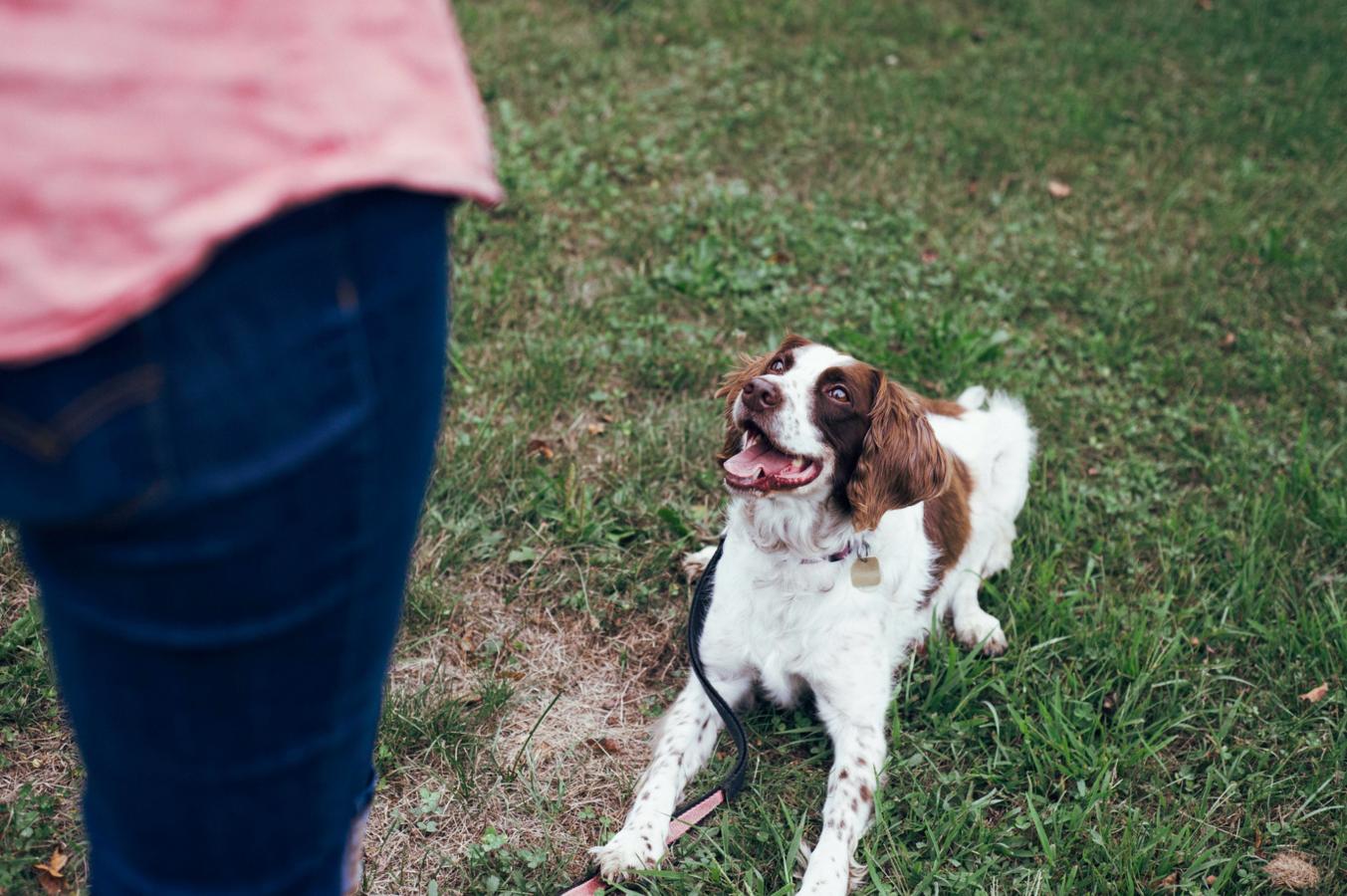
Training your dog to respond consistently to a whistle can be a game-changer, whether you're reinforcing recall, fine-tuning obedience, or enhancing off-lead control. Unlike voice commands, which can be affected by distance, emotion, or background noise, a whistle provides a clear, consistent signal that dogs quickly learn to recognise. In this guide, we’ll take you through a step-by-step process to ensure your dog responds reliably to a whistle every time.
Choosing the Right Whistle for Training
Before you begin, it’s essential to select the right whistle. Different whistles produce varying frequencies, and some dogs may respond better to a particular pitch.
- Silent whistles – Emit high-frequency sounds that humans can barely hear but are effective over long distances.
- Pealess whistles – Generate a consistent tone regardless of how hard you blow, making them ideal for training in windy conditions.
- Trill whistles – Have multiple tones and can be useful for giving distinct signals for different commands.
The key is to choose a whistle that remains consistent and is comfortable for you to use. Once selected, stick with the same whistle throughout training to avoid confusing your dog.
Establishing a Whistle Command
Dogs don’t instinctively understand whistle signals, so you need to associate a specific whistle pattern with a command. Start with recall training, as this is one of the most useful and essential commands.
- Choose a recall sound – A common approach is two short blasts for recall, but you can choose any distinct pattern.
- Pair it with a reward – Every time you blow the whistle, immediately reward your dog with a treat or praise when they come to you.
- Reinforce with a leash – In the early stages, use a long-line lead to guide your dog towards you when you blow the whistle.
- Increase the distance – Gradually practise at different distances, rewarding your dog each time they respond correctly.
- Reduce reliance on food – As your dog masters the command, transition from treats to verbal praise or play rewards.
By keeping training sessions short and positive, your dog will begin to associate the whistle with an exciting and rewarding outcome.
Strengthening Response Consistency
To ensure your dog responds reliably, it’s important to generalise the training across different settings.
- Vary the environment – Practise in the garden, local park, and busier areas so your dog learns to respond in different contexts.
- Introduce distractions – Gradually increase distractions such as other dogs, people, or wildlife to reinforce focus.
- Stay consistent – Always use the same whistle sound for the same command. Changing patterns can confuse your dog.
- Avoid unnecessary use – Only blow the whistle when you expect a response. Overuse without reinforcement can cause your dog to ignore it.
At this stage, your dog should have a strong association with the whistle and respond consistently even in challenging environments.
Advancing to Additional Commands
Once your dog reliably responds to recall, you can introduce other commands using distinct whistle patterns. Some common options include:
- One long blast – Stop or sit
- Two short blasts – Recall
- Three short blasts – Change direction
Repetition and reward remain key when introducing new commands. Always reinforce positive responses to encourage quick learning.
About halfway through training, you may notice how much easier communication becomes with a whistle. Unlike verbal cues, which can vary in tone or volume, whistles for dogs provide a reliable and clear signal that remains unchanged, helping dogs respond with greater accuracy.
Troubleshooting Common Issues
Even with consistent training, some dogs may struggle to respond. Here’s how to address common challenges:
- Dog ignores the whistle – Revisit the basics, reinforcing with treats or high-value rewards.
- The response is slow or hesitant – Practice in a low-distraction environment before gradually reintroducing distractions.
- Dog gets distracted mid-recall – Use a long-line lead for control and increase reward value when competing with distractions.
- Inconsistent responses – Ensure everyone in the household uses the same whistle pattern and reinforcement method.
With patience and consistency, most dogs will quickly learn to respond reliably to whistle signals.
Training your dog to respond reliably to a whistle takes time and dedication, but the benefits are well worth the effort. A whistle-trained dog enjoys greater freedom while still maintaining strong communication with their owner. By selecting the right whistle, establishing clear associations, and reinforcing responses across different settings, you can ensure your dog consistently obeys whistle commands—no matter where you are.