We use cookies to make your experience better. To comply with the new e-Privacy directive, we need to ask for your consent to set the cookies. Learn more.

Using Advanced Clicker Training Techniques in Competitive Animal Training
- November 26, 2024
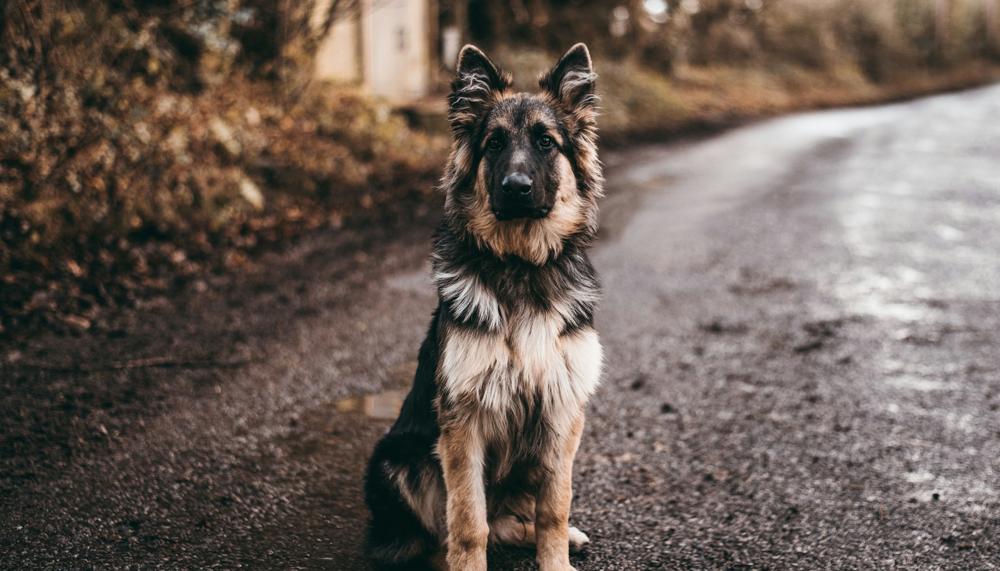
Clicker training has long been a cornerstone of positive reinforcement in animal behaviour training, offering trainers a precise and humane method for shaping desired actions. While the fundamentals are widely understood, advanced techniques provide an exciting opportunity to achieve truly remarkable results. For trainers working in competitive fields such as agility, obedience, or performance disciplines, mastering these advanced methods is essential for refining animal responses and elevating performance standards.
This article explores the application of advanced clicker training techniques within competitive settings, providing practical guidance and insights to help experienced trainers take their skills to the next level. By focusing on specific skills, real-world scenarios, and actionable tips, this guide is designed to help you unlock your animal’s full potential in high-stakes environments. Notably, studies have shown that animals trained with clicker methods often learn new tasks up to 40% faster than those trained with traditional methods, highlighting the efficiency of this approach.
Competitive Training: Where Advanced Techniques Shine
Competitive animal training demands more than a solid foundation—it requires finesse, creativity, and the ability to address complex behavioural challenges. Advanced clicker training techniques are uniquely suited to meet these demands, enabling trainers to shape intricate behaviours and adapt to the high-pressure environment of competitions.
Understanding the Competitive Edge of Advanced Techniques
At its core, competitive training involves precision and consistency. Advanced clicker training techniques, such as back-chaining and variable reinforcement schedules, allow trainers to break down complex tasks into manageable components. These methods not only make the learning process more effective but also help to maintain an animal’s motivation over longer training periods.
For example, back-chaining—teaching a sequence of behaviours in reverse order—ensures that the reward is always associated with the final action, maintaining clarity and reinforcing the desired end goal. Similarly, variable reinforcement schedules help prevent animals from becoming complacent by delivering rewards unpredictably, which keeps them engaged and attentive.
Adapting Advanced Methods for Competitive Success
In competitive scenarios, distractions, unfamiliar environments, and time constraints often challenge even the most experienced trainers. Advanced clicker training equips you with strategies to prepare animals for these challenges. Techniques like adding distractions during training sessions or simulating competition environments can significantly improve performance under pressure.
For instance, if you’re training a dog for agility competitions, practising in unfamiliar locations or with different types of equipment helps build the animal's confidence and adaptability—key traits for success in competitive settings.
Why Precision Matters in Competitive Training
The margin for error in competitions can be razor-thin. Advanced clicker training emphasises precise timing and consistent cues, ensuring that animals respond quickly and accurately. This precision is particularly critical in disciplines such as obedience trials, where minute mistakes can affect scores, or in agility runs, where split-second decisions can determine victory.
By incorporating advanced techniques, trainers can fine-tune responses to the point where commands are executed flawlessly, even in high-pressure environments.
Specific Skills Enhanced by Advanced Clicker Methods
Advanced clicker training methods allow trainers to refine and build upon foundational skills, transforming basic behaviours into sophisticated, competition-ready performances. By focusing on specific skills, trainers can unlock an animal's full potential and prepare them to excel in high-stakes environments.
Building Complex Behaviour Chains
One of the most significant advantages of advanced clicker training is the ability to create complex behaviour chains. In competitive settings, animals are often required to perform multiple actions in sequence, such as a series of jumps followed by a precise stop in agility courses or a pattern of movements in canine freestyle routines. Using techniques like back-chaining, trainers can teach each component of a sequence individually, linking them together step by step until the full chain is performed seamlessly.
For example, in an obedience trial, a dog might be required to heel, sit, stay, and then retrieve an object. By starting with the final behaviour—retrieving the object—and working backwards, trainers ensure that each action is reinforced by the next, maintaining motivation and clarity throughout the sequence.
Enhancing Cue Discrimination
Advanced clicker training also sharpens an animal’s ability to discriminate between cues, an essential skill in competitions where multiple commands may be given in rapid succession. Techniques like introducing visual, verbal, and environmental cues during training sessions help animals learn to distinguish between signals and respond accurately to each one.
In dog sports such as rally obedience, for instance, handlers often use a combination of verbal commands and hand signals. Through advanced cue discrimination training with a dog training clicker, animals learn to identify subtle differences and execute the appropriate response even under pressure.
Improving Speed and Responsiveness
In competitive scenarios, speed and responsiveness are often key to success. Advanced clicker training incorporates methods like rapid-fire reinforcement, where animals are rewarded for increasingly faster responses, to enhance reaction times. This is particularly valuable in time-sensitive events such as flyball or agility competitions, where split-second delays can impact results.
For instance, a dog practising an agility course can be rewarded immediately after performing a high-speed weave through poles, reinforcing the behaviour and encouraging even faster execution in future runs.
Strengthening Focus and Engagement
Maintaining focus amidst the distractions of a competitive environment can be a significant challenge. Advanced clicker training includes techniques like proofing, where distractions are gradually introduced during practice sessions. This not only builds an animal's confidence but also ensures that their focus remains sharp when it matters most.
For example, a horse preparing for dressage may be trained to execute movements with precision even when faced with crowd noise or unexpected visual stimuli, ensuring peak performance in competition.
Case Examples: Agility, Obedience, and Freestyle Performance
Advanced clicker training techniques are highly adaptable, making them effective across a variety of competitive disciplines. By examining their application in agility, obedience, and freestyle performance, we can see how these methods prepare animals for the unique challenges and demands of each competition type.
Agility: Speed and Precision in Action
Agility competitions require animals to navigate obstacle courses at high speeds, executing behaviours like jumps, tunnels, and weave poles with precision. Advanced clicker training techniques, such as shaping and targeting, allow trainers to teach these behaviours with clarity and consistency.
For example:
- Shaping for Complex Obstacles: Trainers can break down obstacles like the A-frame or teeter-totter into smaller components, using shaping to gradually guide the animal towards mastering the full task.
- Targeting for Accuracy: Using a target stick or marker, trainers can encourage precise placement of paws or body position, critical for elements like contact zones on equipment.
In high-pressure environments, these advanced methods help animals maintain speed without sacrificing accuracy, often making the difference between a clean run and a disqualification.
Obedience: Mastery of Discipline and Commands
Obedience trials assess an animal’s ability to perform a variety of commands with perfect timing and focus. Advanced clicker training sharpens essential obedience skills, such as heeling, sitting, and retrieving, while introducing more complex behaviours like scent discrimination or directed jumping.
Key applications in obedience training include:
- Improving Heelwork Precision: Using advanced reinforcement techniques, trainers can reward subtle corrections in position, ensuring that the animal remains aligned and attentive.
- Scent Discrimination Training: Clicker training allows for precise marking of correct scent selections, a crucial skill in utility-level obedience trials.
By perfecting these behaviours through advanced techniques, trainers can prepare their animals to excel even in highly competitive obedience settings.
Freestyle Performance: Creativity and Complexity
In disciplines like canine freestyle or equestrian dressage, animals are required to perform intricate routines that combine technical skill with artistic expression. Advanced clicker training methods are invaluable for teaching complex behaviours that can be sequenced into dynamic, crowd-pleasing performances.
Applications include:
- Choreographing Behaviour Sequences: Using chaining techniques, trainers can build flowing routines where each behaviour transitions smoothly into the next.
- Adding Flair with Advanced Tricks: Techniques like shaping and capturing enable trainers to teach unique movements, such as spins, bows, or paw waves, adding a touch of creativity to routines.
The flexibility and precision of advanced clicker training provide a solid foundation for both technical excellence and creative innovation in freestyle events.
Tips for Applying Advanced Techniques in High-Stakes Scenarios
Competitive environments can be unpredictable, presenting challenges that even the most well-trained animal may find difficult. By incorporating advanced clicker training techniques into your preparation, you can equip your animal with the confidence and adaptability needed to excel under pressure.
Simulating Competition Environments
One of the most effective ways to prepare for high-stakes scenarios is to replicate the competition setting during training sessions. Advanced clicker training can be used to acclimatise animals to various elements they might encounter, such as:
- Unfamiliar Equipment: Introduce different types of obstacles, platforms, or props that may vary from those used in regular training sessions.
- Crowd Noise and Distractions: Gradually increase distractions, such as applause, loudspeakers, or other animals, to help the animal maintain focus.
For instance, practising agility in multiple locations with varied course layouts ensures that the animal becomes comfortable working in any setting.
Managing Stress and Maintaining Motivation
Stress is a common factor in competitions, both for trainers and animals. Advanced techniques like variable reinforcement schedules can help maintain an animal's motivation and reduce anxiety. By providing unpredictable rewards, the animal remains engaged and eager to perform, even in stressful situations.
Additionally, teaching relaxation behaviours, such as a calm sit or stay, can provide the animal with a way to self-soothe during downtime between events.
Fine-Tuning Timing and Precision
In competitive settings, the timing of your cues can significantly impact performance. Advanced clicker training encourages precise delivery of both cues and rewards, ensuring that your animal associates the desired behaviour with the correct action.
Practical tips include:
- Using Video Analysis: Record training sessions to evaluate your timing and refine your techniques.
- Practising Micro-Behaviours: Break behaviours into smaller components and focus on perfecting each one before combining them into a full sequence.
This level of detail ensures that your animal executes commands with speed and accuracy when it counts.
Building Endurance for Long Competitions
Some competitions, such as multi-round events or trials with long wait times, require animals to sustain focus and energy over extended periods. Advanced clicker training can help build endurance by gradually increasing the duration or complexity of tasks during practice.
For example:
- Extending Duration: Reward longer stays or sustained attention to build stamina.
- Introducing Break Periods: Train the animal to relax during breaks, conserving energy for when it is most needed.
By carefully structuring your training sessions, you can prepare your animal to remain consistent and resilient throughout the competition.
Unlocking Competitive Success Through Advanced Clicker Training
Advanced clicker training techniques offer trainers a powerful toolkit for preparing animals to excel in competitive environments. By mastering methods like shaping, chaining, and proofing, trainers can refine behaviours, build confidence, and enhance focus, ensuring their animals perform at their best under pressure.
Whether competing in agility, obedience, or freestyle performance, these techniques provide the precision and adaptability needed to succeed. From simulating competition scenarios to managing stress and fine-tuning skills, the strategies discussed in this guide highlight the versatility and effectiveness of advanced clicker training in addressing the unique demands of high-stakes competitions.
For trainers looking to push boundaries and achieve excellence, the journey begins with understanding and applying these advanced methods. With consistent practice, attention to detail, and a commitment to your animal’s growth, success in the competitive arena is within reach.