We use cookies to make your experience better. To comply with the new e-Privacy directive, we need to ask for your consent to set the cookies. Learn more.

Advanced Training Methods Using Dog Whistles
- December 17, 2024
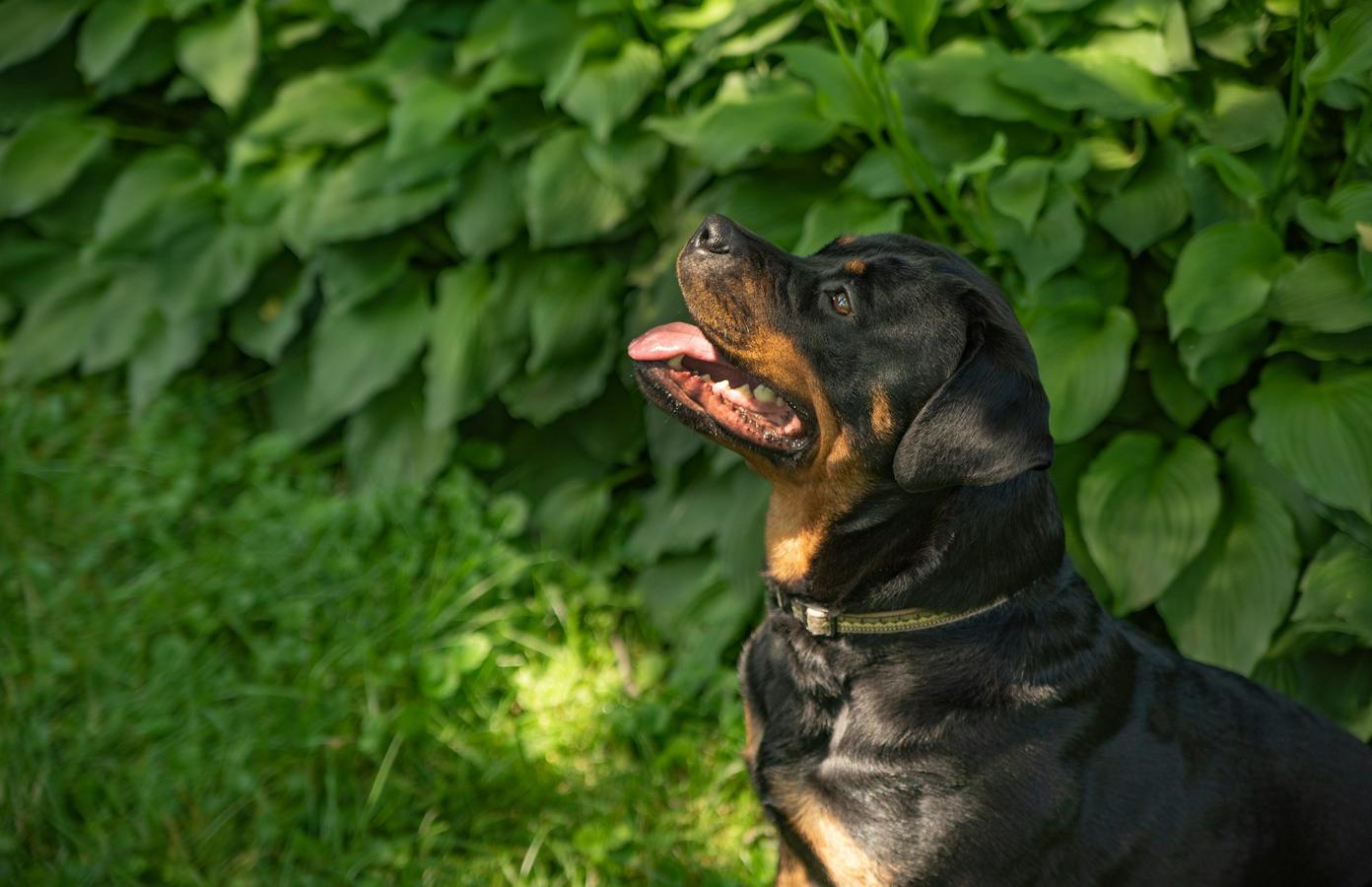
Guiding a dog through sophisticated tasks requires a level of communication that simple voice commands rarely achieve. Advanced training methods using dog whistles can help handlers create a more intricate language, where subtle variations in pitch, length, and pattern convey precise instructions. Whether you aim to finesse a complex retrieve sequence or shape a dog’s response to directional cues at great distances, these techniques offer a clarity that cuts through distractions—be it a busy park or a windswept field. By elevating your whistle work from basic signals to a richer code of communication, you gain the tools to influence behaviour smoothly and reliably. The result is not just improved obedience, but a more finely tuned partnership built on trust, consistency, and shared understanding.
Incorporating Multi-Level Signals for Complex Behaviours
For experienced handlers who wish to go beyond simple recall or “stop” commands, introducing multi-level whistle signals can transform training sessions into intricate dialogues. Instead of one-dimensional cues, consider assigning distinct patterns to each stage of a complex sequence. For instance, if your aim is to teach a retrieve that includes pausing, picking up, and delivering an object, each action can be reinforced by a unique whistle pattern. Over time, these patterns become your dog’s roadmap—guiding them from one step to the next with minimal confusion.
A methodical approach is critical. Introduce each new signal only once the preceding behaviour is well-established. If your dog already responds promptly to a basic recall whistle, layer on a second pattern that signals them to pause before returning, or to circle around a point rather than returning immediately. This step-by-step progression helps your dog differentiate between cues, forging a mental link between each distinct whistle pattern and the correct, precise action. By taking it slowly, you reinforce the dog’s confidence and ensure they never feel uncertain about which response is required.
Eventually, these structured signals allow your dog to handle increasingly elaborate tasks. A series of short blasts could prompt them to change direction during a retrieve, while a sustained tone might instruct them to hold position until released. The ultimate goal is to empower you and your dog to communicate fluently, completing complex exercises with the elegance and precision that advanced whistle training makes possible.
Refining Directional Commands and Distance Handling
As you develop more intricate whistle-based communication, shaping directional responses becomes a key goal. Rather than simply recalling your dog, you can guide them towards specific targets, navigate around obstacles, or shift their search pattern in the field using dog training whistles. Achieving this level of precision requires thoughtful layering of cues and a patient, stepwise approach to building your dog’s skills and confidence.
Begin by refining your basic directional signals. Teach a consistent whistle pattern that encourages your dog to move left or right on command, perhaps pairing each direction with a unique tone or length of blast. When the dog demonstrates a reliable response, incorporate more complex challenges. For example, set out multiple objects at different distances and direct the dog to one specific target first. As they improve, vary the scenario: send the dog to a distant point in the park, then use whistle signals to guide them around a cluster of trees, or instruct them to slow down and focus their search in a defined area.
Throughout this process, clarity and consistency remain paramount. Stick to a distinct set of signals, and ensure your dog receives a reward or praise when they respond correctly. Build complexity gradually, so the dog gains confidence with each incremental step. Ultimately, well-practised directional cues allow you to wield precise control over your dog’s movements—even at substantial distances—enhancing your working relationship and helping you tackle more complex field exercises.
Enhancing Responsiveness Through Variable Training Environments
Once your dog understands complex whistle patterns and directional cues, exposing them to a variety of training environments can strengthen their responsiveness. By regularly adjusting the setting, you encourage your dog to remain attentive and alert, regardless of what’s happening around them. Shift from quiet fields to busier public spaces, such as local parks or community gardens, where cyclists, joggers, and children playing with footballs provide challenging distractions. The goal is to ensure your dog can still pick out the whistle’s unique tones, staying focused on its meaning rather than the surrounding hubbub.
When introducing a new environment, start with familiar signals and tasks, then gradually increase complexity. For example, if your dog reliably follows a multi-step retrieve in a calm field, try the same sequence in a park where other dogs roam about. Each time your dog responds correctly despite the distractions, you build their confidence and highlight the whistle as a consistent anchor point. As your dog becomes adept at filtering out external noise, you can fine-tune more complicated exercises, safe in the knowledge that their advanced whistle skills will hold steady wherever you choose to train.
Integrating Subtle Non-Verbal Cues for Greater Sophistication
Reaching the highest levels of whistle-based communication often involves pairing whistle patterns with more discreet forms of guidance. Hand gestures, subtle shifts in body posture, or a carefully timed nod can blend seamlessly with whistle cues, allowing you to issue instructions that feel fluid and natural. For instance, a short whistle blast might instruct your dog to halt mid-course, while a gentle wave of your hand indicates which direction to move next. Over time, your dog learns to combine these signals, responding to a holistic style of training that reduces reliance on any one cue alone.
This layered communication becomes particularly valuable when conducting complex searches or intricate retrieves. Imagine standing at the edge of a field, directing your dog to search a dense patch of shrubbery. A brief whistle sequence sends them forward; a raised hand guides them to veer right; a softer whistle sound prompts them to pause and reorient. With practice, the dog interprets each blended signal instantly, making split-second adjustments to their behaviour. This synergy between whistle and non-verbal guidance can shave precious seconds off a retrieve, tighten the dog’s search pattern, and achieve a level of teamwork that feels almost instinctive.
Building Complex Behavioural Chains Through Progressive Patterning
Taking whistle training to its highest calibre involves assembling entire behavioural chains, where one action seamlessly leads into another through carefully orchestrated signals. Rather than teaching isolated responses, you’re guiding your dog through a choreographed sequence that might include multiple changes in direction, pauses at predetermined points, and the retrieval of various items in a set order. Each link in this chain is reinforced by a distinct whistle cue, ensuring the dog progresses through the routine without hesitation.
A practical approach is to start by solidifying a shorter sequence—perhaps a simple retrieve followed by a halt—before gradually adding more elements. Once the dog is comfortable retrieving on command, introduce a secondary cue prompting them to lay down after placing the item at your feet. When this feels smooth and consistent, layer on a third signal directing them to move on to a new location or pick up a different object. Over time, these sequences become as natural as a well-rehearsed routine. The complexity not only challenges the dog’s cognitive abilities but also keeps both you and your canine partner engaged in continuous, dynamic dialogue.
Elevating Your Bond Through Advanced Whistle Work
By consistently refining your whistle cues and layering them to form intricate behavioural sequences, you transcend basic command-and-response training. What emerges is a nuanced, shared language that deepens the bond between you and your dog. These advanced techniques are not merely about obedience; they foster trust, mutual understanding, and a level of cooperation that can transform even the most routine exercise into something purposeful and rewarding. Through patience, dedication, and a willingness to push beyond the ordinary, you equip your dog with the skills to excel in complex tasks—while forging a relationship defined by clear communication, confident teamwork, and genuine harmony.