We use cookies to make your experience better. To comply with the new e-Privacy directive, we need to ask for your consent to set the cookies. Learn more.

How to Transition from Training to Competitive Gundog Work
- December 19, 2025
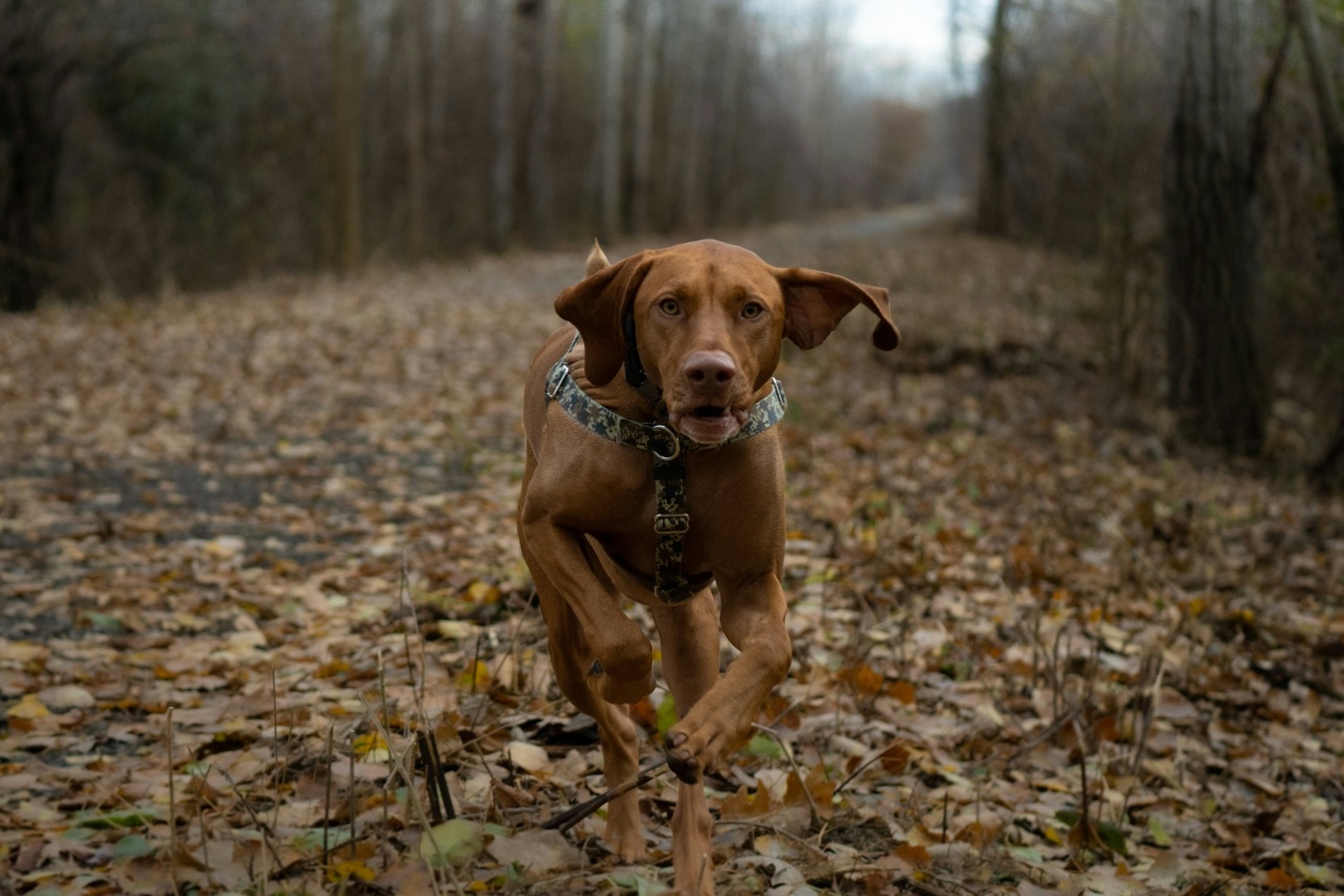
Making the step from solid training to competitive gundog work is less about teaching new concepts and more about tightening the margins. In trials and tests, everyone has a recall, a stop, and directional control. What separates consistent performances from near misses is how cleanly those cues land at distance, in wind, and in moments where the dog is making fast decisions.
Your whistle becomes the dog’s “remote handling system”. Transitioning well means you treat it as equipment, language, and timing all at once, then you stress test it the way the day will stress test you.
Start by auditing your whistle language
Before you add pressure, check that your whistle cues are unambiguous and mechanically repeatable. Competitive work exposes any “close enough” signal that the dog has been guessing around in training.
-
One cue, one meaning: ensure the dog never has to interpret whether a pip is a sit or a gather in. If you have blended meanings, separate them now.
-
Cadence consistency: handlers often vary the number of pips under stress. Decide exactly what you do for stop, recall, and each directional, then practise until it is automatic.
-
Volume discipline: get the behaviour from clarity and timing, not from blowing harder. Overblown cues can flatten the dog’s responsiveness over time.
Choose a pitch that stays readable in real ground
In competitive settings, the environment edits your signal. Woodland swallows sound. Open moor carries it. Wind pushes it off line. Your pitch choice should be based on what remains distinct when the air and cover are working against you.
Pitch separation for multi cue handling
If your stop and recall are close in tone, the dog will rely on context. That is fine until the context becomes noisy, fast, or unfamiliar. A more distinct pitch, or a noticeably different pattern, reduces “context dependence”.
Material and mouth feel under pressure
Metal can feel crisp and stable for precise pips. Modern polymers can be kinder in cold weather and easier to keep consistent when your breathing changes. What matters is that you can reproduce the same sound when your hands are wet and your heart rate is up.
Build distance without changing the cue
Many teams “lose” the stop at distance because the cue has drifted. The handler adds volume, adds pips, or delays the signal while watching the dog. Keep the cue identical and change everything else instead: distance, angle, wind, cover, and distraction.
A useful rule is that you should be able to blow the cue while looking away from the dog. If you cannot, your cue is tied to a visual moment rather than a decision point the dog understands.
Proof the whistle against competitive pressure points
The jump to competition is mostly about proofing against the specific moments that cause errors. This is where whistles for dog work stops being a simple choice of tool and becomes a deliberate performance system that you rehearse.
Pressure point: the dog “sticks” to game scent
Set up scenarios where the dog must stop and take a cast while highly interested, then reward the correct decision with the chance to continue working. You are not damping drive, you are teaching the dog that control is part of the hunt.
Pressure point: the handler hesitates
Trials punish late handling. Practise calling the stop slightly earlier than you think you need to, then learn what “early enough” feels like. Your goal is to cue before the dog commits to the wrong line, not after.
Pressure point: the dog checks in visually and drifts
Dogs that pop their head to look for guidance often end up off line. Rehearse crisp, confident casts delivered immediately after the stop, so the dog expects information, not a pause.
Change the way you train: fewer reps, higher consequence
Competitive standard does not come from endless repetition. It comes from deliberate, well spaced opportunities where one correct response matters. Reduce the number of whistles you blow per session and increase the relevance of each one.
-
Single opportunity drills: one stop, one cast, one retrieve. Put the dog away while it still wants more.
-
Sequence rehearsal: practise the exact handling sequence you want to deliver, including where you stand, how you square your shoulders, and when you blow.
-
Recovery training: plan for a mistake, then practise what you do next. Competitive teams recover quickly because the dog understands the next cue even after an error.
Prepare for the handler’s day as much as the dog’s
In competition, your breathing, nerves, and tempo change. That alters your whistle. Train yourself as deliberately as you train the dog.
Breath control and cue integrity
Practise blowing after short bursts of effort, such as a fast walk, a short jog, or a quick set of steps up a bank. You are teaching your own body to produce the same tone and cadence when you are not calm.
Pre planned decision rules
Make simple rules for common moments, such as “if the dog hunts more than three seconds without progress, stop and recast”. Decision rules stop you from drifting into late handling.
As field trial handler Laura Hill has pointed out in practical training settings, the most reliable teams are often the ones with the simplest, most consistent cue patterns, delivered early and without drama.
Conclusion: turn your whistle into a competition habit
The transition to competitive work is the process of removing ambiguity. Keep the cue identical, make the environments harder, and rehearse the exact moments that cause faults. When your whistle language is stable, you can focus on reading ground and letting the dog show its class.
If you want a whistle setup that stays consistent from training field to trial ground, explore ACME Whistles ranges built for clear tone and dependable handling. Many experienced handlers keep a matched pair for everyday work and competition day, so the sound stays familiar wherever they step to the line.
FAQs
How do I know if my stop whistle is truly proofed for competition?
If the dog stops cleanly at distance in wind, after scent, and when you cue early rather than late, it is close. Test it in unfamiliar ground and after exciting retrieves.
Should I change whistle pitch when moving into trials?
Only if your current pitch becomes hard to hear or easy to confuse in the environments you compete in. A stable, distinct sound that you can repeat under stress matters more than novelty.
What is the most common handler mistake when stepping up to competition?
Late cues. Competitive work rewards early, confident handling that prevents a wrong decision rather than tries to fix it after it happens.
Is it better to practise lots of short sessions or fewer longer ones?
Short, purposeful sessions tend to transfer better. Aim for fewer whistles, higher relevance, and clear finishes while the dog remains keen.