We use cookies to make your experience better. To comply with the new e-Privacy directive, we need to ask for your consent to set the cookies. Learn more.

Integrating Dog Whistles with Positive Reinforcement Strategies
- December 17, 2024
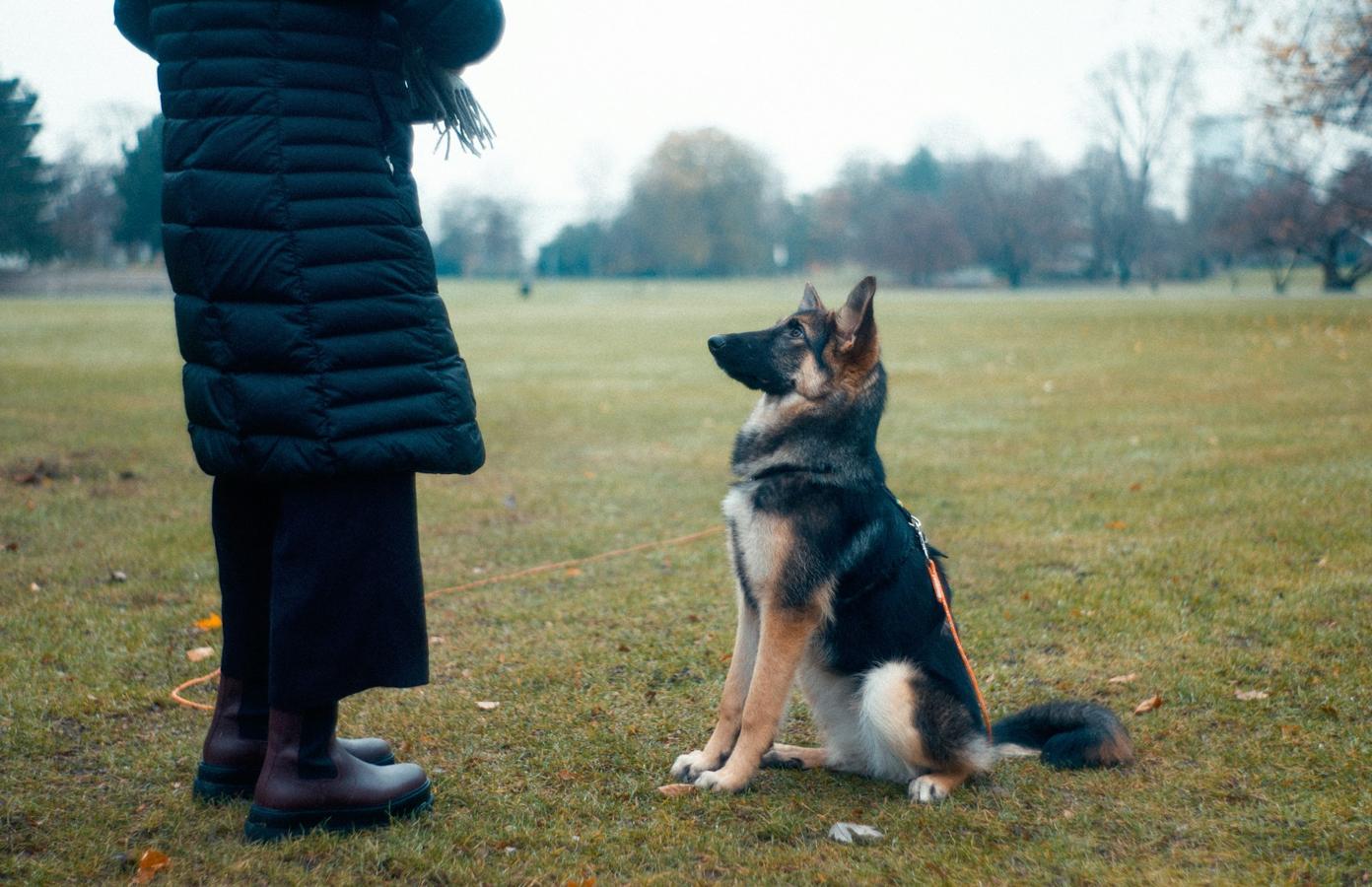
Dog training has evolved significantly over the years, shifting from outdated, dominance-based techniques to kinder, science-backed approaches that focus on communication and trust. One of the most effective modern methods combines dog whistles—a tool valued for its clarity and consistency—with positive reinforcement strategies, which reward desired behaviours to motivate dogs and strengthen the bond with their owners.
The integration of dog whistles with positive reinforcement offers a precise and humane way to train dogs, making it particularly valuable for recall training, distance commands, and behavioural refinement. In this article, we’ll explore exactly how dog whistles work, why positive reinforcement is so effective, and how these two methods can be seamlessly combined for outstanding training results.
The Role of Dog Whistles in Modern Dog Training
Dog whistles are a simple yet highly effective tool for dog training. While they may appear unremarkable, their utility lies in their ability to deliver consistent, clear cues that dogs can easily understand and respond to.
What Are Dog Whistles and How Do They Work?
Dog whistles emit high-frequency sounds, often outside the range of human hearing, making them subtle and non-disruptive in environments with other people or animals. Unlike verbal commands, which can vary in tone, volume, or emotion, a dog whistle provides a standardised sound, ensuring consistency in training.
Key features of dog whistles include:
- Frequency Range: Whistles typically operate between 16 and 22 kHz, allowing dogs to hear them over significant distances.
- Adjustable vs Fixed Pitch: Some whistles offer adjustable tones for specific commands, while others maintain a fixed pitch for simplicity.
- Noise Control: Their silent nature to humans makes them ideal for public spaces, parks, and group settings.
Why Dog Whistles Are Effective
Dog whistles excel in scenarios where clarity, distance, or environmental distractions make verbal cues less effective. Some of their primary benefits include:
- Consistency: Unlike human voices, which can vary with mood or energy, whistle sounds remain uniform, reducing confusion for the dog.
- Long-Distance Communication: Whistles are audible over hundreds of yards, making them invaluable for training at distances, such as during recall exercises or field work.
- Minimising Environmental Noise: In noisy environments, dogs may struggle to differentiate a voice command, but a whistle cuts through background noise effectively.
- Suitability for Multiple Commands: By varying whistle patterns (e.g., one short burst for “sit”, two bursts for “come”), trainers can develop a vocabulary of cues tailored to their dog's behaviour.
Practical Applications of Dog Whistles
Dog whistles are most commonly used in the following scenarios:
- Recall Training: A single, consistent whistle sound trains dogs to return quickly and reliably, even at long distances.
- Stopping or Interrupting Behaviour: A sharp, short whistle can be used as an attention-grabbing cue to halt undesirable actions.
- Field Training for Working Dogs: Dogs used in activities like herding or hunting benefit from whistle commands that can be understood across large spaces.
While dog whistles are incredibly versatile, they are only cues—they must be paired with rewards to create strong behavioural associations. This is where positive reinforcement comes into play, transforming the whistle sound into a meaningful and reliable command.
Positive Reinforcement: Building Motivation and Trust
Positive reinforcement has become the gold standard in modern dog training for good reason: it encourages dogs to repeat desired behaviours by rewarding their success. This method creates a relationship of trust and mutual understanding, avoiding the fear and confusion often caused by punishment-based techniques.
What Is Positive Reinforcement?
Positive reinforcement involves providing a reward immediately after a dog performs a desired behaviour. This reward motivates the dog to repeat the behaviour, helping it to learn new commands effectively.
Common rewards include:
- Treats: Small, high-value snacks that are quick and easy to deliver.
- Verbal Praise: Enthusiastic affirmations like “Good boy!” or “Well done!”.
- Toys: A favourite ball, tug rope, or other toy that excites the dog.
- Playtime or Affection: Activities like a quick game or belly rubs that show appreciation.
The key is to ensure the reward is immediate and valuable to the dog. Delayed rewards weaken the association, and a reward that fails to excite the dog will not motivate it to repeat the behaviour.
Why Positive Reinforcement Works
Positive reinforcement is backed by science and is widely recommended by behaviourists and trainers across the UK. Its success lies in its ability to shape behaviour through encouragement rather than fear.
Key benefits include:
- Improves Learning: Dogs quickly associate behaviours with rewards, speeding up training.
- Strengthens Bonds: Reward-based training builds trust and a positive relationship between dog and owner.
- Reduces Stress: Unlike punishment-based methods, positive reinforcement avoids fear and confusion, keeping training sessions enjoyable for the dog.
- Increases Motivation: Dogs respond enthusiastically to rewards, ensuring they remain engaged and eager to learn.
How Positive Reinforcement Complements Dog Whistles
Dog whistles are powerful cues, but their effectiveness depends on the dog’s motivation to respond. Positive reinforcement bridges this gap by giving the whistle sound meaning. For example:
- When the whistle signals a “recall”, and the dog is rewarded with a treat or praise, it learns that responding to the whistle brings good things.
- Over time, the sound itself becomes reinforcing—dogs anticipate the reward and eagerly follow the command.
- Positive reinforcement ensures that dogs associate whistle cues with positive outcomes, not fear or uncertainty.
The combination of a consistent, clear whistle cue and the motivation provided by positive reinforcement creates a robust, reliable training method. In the next section, we’ll explore how to seamlessly integrate the two techniques for practical training success.
How to Integrate Dog Whistles with Positive Reinforcement
Combining dog whistles with positive reinforcement requires precision, consistency, and patience. When done correctly, it transforms the whistle into a clear, reliable cue that your dog eagerly responds to, whether close by or at a distance. This section outlines a step-by-step approach to integrating these two methods effectively.
Establishing the Whistle Cue
Before introducing the whistle, it’s essential to establish the connection between the sound and the reward. Here’s how to get started:
- Choose Your Whistle Command: Decide on a specific whistle sound for each command. For instance:
- One short blast: “Sit” or “Stop”.
- Two short bursts: “Come” or “Recall”.
- Introduce the Whistle Sound: Start in a quiet, distraction-free environment to ensure your dog focuses on the new cue.
- Pair the Whistle with a Reward:
- Blow the whistle and immediately reward the dog with a treat, praise, or play.
- Repeat this process several times so the dog begins to associate the whistle sound with a positive outcome.
- Test Simple Commands: Use the whistle sound for a basic command like recall. As soon as the dog responds, reward it immediately.
Consistency is key here. The whistle must always be paired with a reward at the start so the sound gains meaning.
Practical Applications for Whistle Training
Once the dog understands that responding to the whistle results in a reward, you can use it for practical training scenarios:
Recall Training
Recall (getting your dog to return to you) is one of the most valuable commands for safety and control. Here’s how to integrate the whistle:
- Start in a confined space or on a long lead.
- Blow the whistle (e.g., two short bursts) and encourage the dog to come to you.
- As soon as the dog reaches you, reward it generously.
- Gradually increase the distance and add mild distractions over time.
The whistle sound cuts through environmental noise, making it particularly effective in outdoor areas such as parks or fields.
Stopping Unwanted Behaviour
The whistle can also be used to interrupt undesirable behaviours, such as running towards something dangerous. A sharp, short whistle blast grabs the dog’s attention and redirects its focus. Immediately reward the dog when it stops or returns to you to reinforce the positive association.
Distance Commands
Dog whistles are ideal for working with dogs at a distance, where verbal commands may be less effective. For example:
- One short whistle blast can mean “sit” even when the dog is far away.
- A specific pattern of whistle sounds can signal directional commands for working or herding dogs.
Pair each sound with rewards initially, gradually reducing treats as the dog reliably responds.
Progressing Without Dependence on Treats
As your dog becomes consistent in responding to the whistle, you can reduce the frequency of food rewards while maintaining other reinforcements. Here’s how:
- Introduce Verbal Praise: Pair treats with verbal praise (“Good boy!”) to make verbal encouragement rewarding in itself.
- Vary the Rewards: Alternate between treats, toys, playtime, and praise to keep the dog motivated and engaged.
- Randomise Treats: Gradually move to intermittent treats, so the dog responds reliably even when it doesn’t receive a reward every time.
The whistle cue, once established, will become a habit for the dog, ensuring consistent results in various training contexts.
Troubleshooting Challenges When Integrating Dog Whistles with Positive Reinforcement
While combining dog whistles with positive reinforcement is highly effective, trainers may encounter a few challenges along the way. Identifying and addressing these issues ensures your whistle training remains reliable and consistent.
The Dog Doesn’t Respond to the Whistle
If your dog doesn’t respond to the whistle sound, it often means they haven’t fully associated it with a reward or command.
Solution:
- Reintroduce the Association: Go back to basics by blowing the whistle and immediately rewarding the dog with something high-value, like a treat, praise, or a favourite toy.
- Minimise Distractions: Begin training in a calm, quiet environment where your dog can focus solely on you.
- Repetition and Consistency: Repeat the exercise several times daily until the whistle consistently triggers the desired response.
The Whistle Loses Its Impact Through Overuse
Blowing the whistle too frequently—without purpose or reward—can cause the dog to ignore it entirely, diminishing its effectiveness.
Solution:
- Use the whistle deliberately for specific commands only, such as recall or stopping a behaviour.
- Avoid "over-whistling." If your dog doesn’t respond, resist the urge to keep blowing the whistle and instead revisit foundational training.
- Reinforce the whistle’s importance by ensuring a reward follows its use during the learning phase.
Inconsistent Whistle Cues Among Handlers
If multiple people are using the whistle inconsistently—such as varying the sound pattern or rewarding at different times—it can confuse the dog.
Solution:
- Standardise Commands: Agree on clear whistle sounds for specific commands (e.g., two bursts for recall, one short blast for stop).
- Unified Training Approach: All handlers should follow the same reward system and command patterns.
- Regular Practice: Hold occasional group training sessions to ensure consistency and reinforce whistle cues.
Distractions in Training Environments
Highly stimulating environments—like busy parks or fields—can make it challenging for dogs to focus on the whistle.
Solution:
- Gradual Progression: Start training in controlled, distraction-free settings and gradually increase the level of difficulty.
- Increase Reward Value: Use higher-value rewards, such as their favourite treats, toys, or playtime, to compete with distractions.
- Use a Long Lead: Practise commands like recall with a long lead in public areas to maintain control while reinforcing the whistle cue.
Slow or Inconsistent Progress
Some dogs may take longer than others to respond consistently to whistle cues, particularly if training sessions are inconsistent or rushed.
Solution:
- Short, Frequent Training Sessions: Dogs learn best in short bursts, so aim for multiple 5-10 minute sessions throughout the day.
- End on a Positive Note: Always finish training with a success, rewarding even small wins to build the dog’s confidence.
- Be Patient and Adaptable: Training progress varies among dogs—some may need more time and encouragement than others.
By addressing these challenges proactively, you can ensure dog whistles remain a reliable and effective tool for communication. The key is maintaining consistency, patience, and a strong reward system to keep your dog motivated and engaged.
The Benefits of Combining Dog Whistles with Positive Reinforcement
Integrating dog whistles with positive reinforcement strategies offers significant advantages for both trainers and dogs. This combination creates a method that is clear, humane, and highly effective, improving communication and enhancing training outcomes.
Improved Clarity and Consistency
Dog whistles provide a clear, uniform sound that is not affected by the trainer’s tone of voice, emotions, or external noise. This consistency ensures the dog always receives the same cue, reducing confusion and speeding up the learning process.
For example:
- A whistle for recall is always the same sound, making it easier for the dog to recognise and respond reliably.
- Commands delivered by whistle are sharp and precise, even when issued over long distances or in noisy environments.
Enhanced Training Efficiency
Combining whistles with positive reinforcement accelerates training because the whistle becomes a direct signal for reward. Dogs quickly learn that responding to the whistle leads to positive outcomes, such as treats, praise, or playtime. This creates strong associations and encourages enthusiastic responses.
Key advantages include:
- Faster Recall: The whistle cuts through distractions and ensures dogs return quickly and reliably.
- Distance Commands: The whistle remains audible at long ranges, ideal for outdoor training or working with dogs in fields or parks.
- Reduced Repetition: Because the whistle is consistent, dogs learn commands more quickly, requiring fewer repetitions to reinforce behaviours.
Suitable for All Dogs and Environments
Dog whistles and positive reinforcement can be used effectively with dogs of all ages, breeds, and abilities. Whether you are training a young puppy, an older dog, or even a working dog, this method adapts easily to suit their needs.
Additionally, whistle training is ideal for environments where verbal cues might be less effective, such as:
- Busy parks with background noise.
- Wide open spaces where distance makes verbal commands inaudible.
- Multi-dog households where distinct sounds are necessary for individual commands.
Strengthening the Bond Between Dog and Trainer
Positive reinforcement strengthens the relationship between dog and trainer by creating an environment of trust and encouragement. By associating the whistle sound with rewards, dogs view training sessions positively and remain engaged and motivated.
The benefits include:
- Increased focus and enthusiasm during training.
- A more confident dog that is eager to respond to commands.
- A stronger bond built on mutual understanding and cooperation.
Practical, Long-Term Results
Once established, whistle cues become a reliable part of a dog’s training toolkit. By pairing the whistle with consistent rewards, behaviours become deeply ingrained and dependable, even as treats or rewards are gradually reduced.
For example:
- A dog trained to recall with a whistle will continue to respond reliably, whether in a controlled environment or an unfamiliar setting.
- Whistle training remains effective throughout a dog’s life, offering a long-term communication tool that requires little maintenance.
By combining the clarity of dog whistles with the motivation of positive reinforcement, trainers can achieve faster, more reliable, and stress-free results while creating a positive and rewarding experience for their dogs.
A Clear Path to Effective Dog Training
Integrating dog training whistles with positive reinforcement strategies offers a powerful and humane approach to training dogs. By combining the precision and consistency of a whistle with the motivation provided by rewards, trainers can create a clear and reliable communication system that dogs understand and trust.
Dog whistles serve as an ideal tool for commands like recall, stopping unwanted behaviours, and issuing instructions at a distance, while positive reinforcement ensures that dogs respond enthusiastically by associating the whistle with positive outcomes. This method is adaptable, effective across various environments, and suitable for dogs of all ages and abilities.
The key to success lies in consistency, patience, and maintaining a strong reward system during the learning phase. Over time, whistle cues become second nature, enabling clear communication and strengthening the bond between dog and trainer.
By implementing this method, trainers not only achieve better results but also create a positive and enjoyable training experience for their dogs. With the right approach, dog training whistles and positive reinforcement become an invaluable part of any dog owner’s toolkit, ensuring happy, well-trained dogs and harmonious partnerships.