We use cookies to make your experience better. To comply with the new e-Privacy directive, we need to ask for your consent to set the cookies. Learn more.

Training Specific Commands with a Dog Whistle
- December 17, 2024
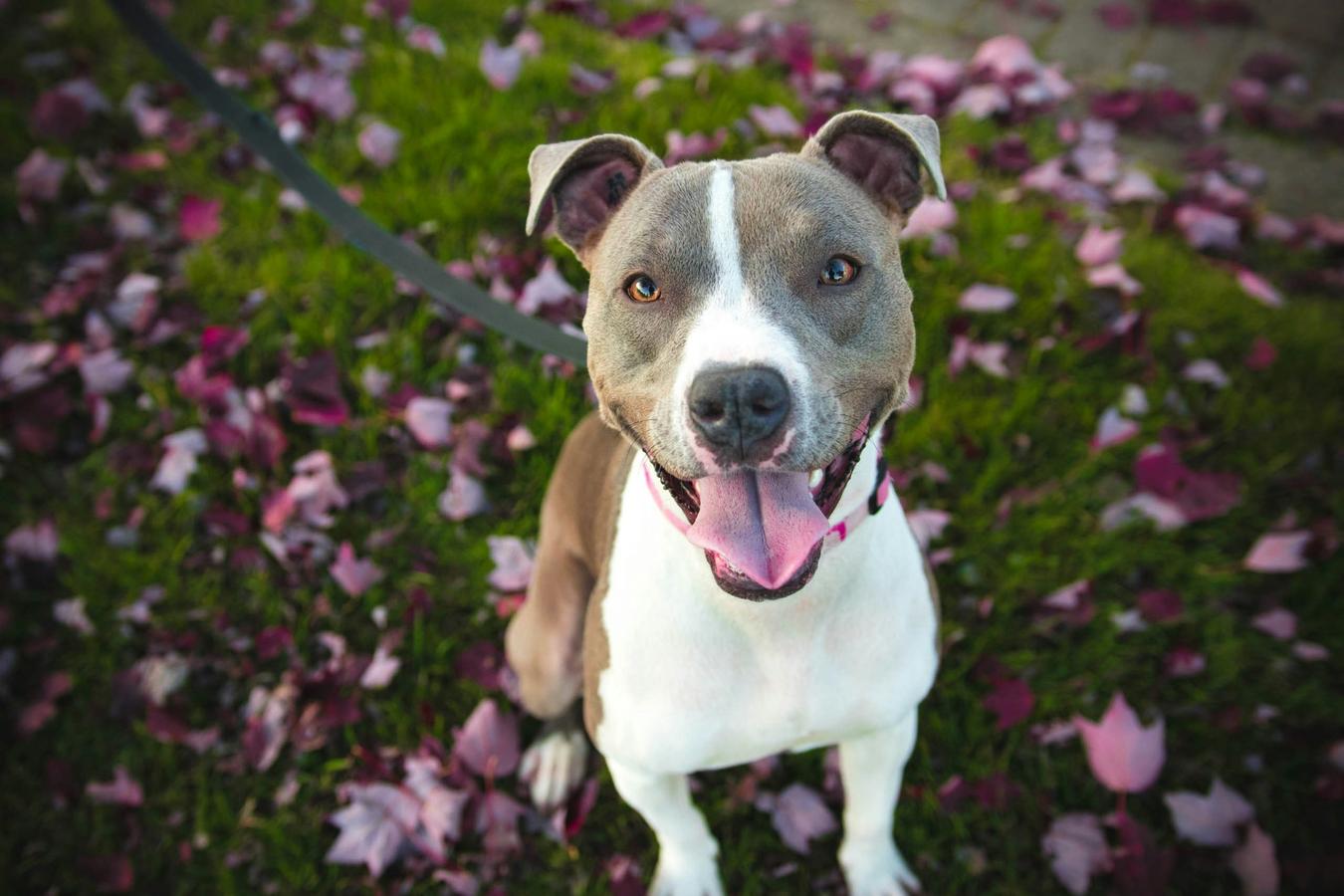
Dog whistles have become a valuable tool for dog owners looking to refine and enhance their training techniques. Unlike verbal commands, a whistle produces a consistent, clear sound that can travel long distances and remain unaffected by emotion, volume, or background noise. This makes it particularly effective for precise communication, whether you're recalling your dog across a field or teaching advanced behaviours.
If you’re already familiar with basic dog training principles and your dog responds well to foundational commands, transitioning to whistle training can help sharpen their responses, improve reliability, and allow for advanced commands with minimal effort. In this guide, we’ll take you step-by-step through choosing the right whistle, establishing sound-to-command associations, and teaching your dog specific commands, from recall to directional guidance.
Choosing the Right Dog Whistle
Selecting the correct whistle is the foundation of successful training. Dog whistles come in various types and frequencies, and choosing the right one will ensure your dog responds effectively. This section will guide you through the key considerations when picking the best whistle for your needs.
Frequency: Silent vs Audible Whistles
Dog whistles can either produce sounds that are audible to humans or silent (ultrasonic), which emit frequencies beyond human hearing but are well within a dog's range.
- Audible Whistles: These are useful for beginners because you can hear the tone and ensure consistency in your patterns. They are ideal for close-range training or for those still getting familiar with whistle use.
- Silent Whistles: These produce higher frequencies that dogs can hear over great distances, making them excellent for outdoor work, such as field training or agility. Despite the term “silent,” some silent whistles emit faint sounds audible to humans.
For most owners, silent whistles are preferred because they cause minimal disturbance to others while remaining clear and effective for dogs. However, the choice ultimately depends on your training environment and personal preference.
Finding the Right Frequency for Your Dog
Not all dogs respond equally to every frequency. Each dog has its own sensitivity range, so testing is key.
- Adjustable Whistles: Many whistles allow you to adjust their frequency. Start at a mid-range setting and blow gently to observe your dog’s reaction. Adjust up or down until you find the pitch that gets an immediate, positive response.
- Testing Over Distance: Once you've identified a frequency your dog responds to, test it at increasing distances to ensure the sound carries effectively and remains clear to your dog.
Durability and Practicality
When selecting a whistle, durability and ease of use are just as important as frequency.
- Material: Opt for whistles made from stainless steel or high-quality plastic to ensure longevity, especially for outdoor use.
- Lanyard Attachments: A lanyard or wrist strap ensures your whistle is always within reach during training sessions.
- Ease of Cleaning: Whistles can accumulate dirt or moisture. Choose a design that’s easy to clean and maintain for hygiene.
Choosing the Right Type for Your Training Goals
To summarise, here’s a quick guide:
- Basic Training and Indoor Use: An audible whistle.
- Outdoor Training and Long Distances: A silent (ultrasonic) whistle.
- Versatility: An adjustable-frequency whistle to fine-tune your dog’s response.
Taking the time to select the right whistle will ensure a smoother, more effective training experience, setting the stage for teaching specific commands with confidence and clarity.
Establishing Whistle-to-Command Associations
Before teaching specific commands with a whistle, it’s essential to establish clear associations between the whistle sounds and your dog's existing commands. This process is about replacing verbal cues with consistent whistle signals. By pairing the two effectively, you ensure that your dog understands the meaning of each whistle pattern.
Whistle training stands out for its precision, making it ideal for long-distance recall and other essential whistle commands for dogs. Unlike verbal instructions, a whistle produces consistent sound patterns that are unaffected by tone, emotion, or noise, which strengthens your dog’s ability to respond reliably.
Why Whistle Patterns Matter
The success of whistle training lies in using distinct and consistent sound patterns. Unlike verbal commands, whistle sounds are unaffected by tone of voice, mood, or background noise, ensuring clearer communication.
Examples of common whistle patterns include:
- Recall: Two or three short, sharp blasts (e.g., “peep-peep-peep”).
- Stop/Wait: One long, continuous blast (e.g., “peeeeeep”).
- Sit: A single sharp whistle sound (e.g., “peep”).
- Directional Commands: Different short combinations for left or right (e.g., “peep-peep” for left and “peep-peep-peep” for right).
Steps to Build Associations
Follow these steps to create a strong connection between the whistle sounds and your chosen commands:
- Select a Command and Whistle Pattern
Start with a command your dog already knows well, such as recall (“come”) or sit. Assign a distinct whistle sound or pattern for this command. - Pair Whistle with Verbal Command
- Begin in a quiet, distraction-free environment.
- Use the whistle sound immediately before giving the verbal command. For example: blow two sharp whistles, then say, “Come.”
- When your dog responds, reward them with praise, a treat, or a favourite toy.
- Repetition and Reinforcement
Repeat this process consistently over several short training sessions. Your goal is to have the whistle sound replace the verbal command over time. - Start with 5–10 repetitions per session.
- Gradually reduce your reliance on the verbal cue, letting the whistle alone signal the command.
- Use High-Value Rewards
To ensure your dog builds a positive association with the whistle, reward them with high-value treats or rewards they particularly enjoy. This keeps the experience engaging and reinforces the desired behaviour. - Increase Distance Gradually
- Begin close to your dog when using the whistle.
- Once they consistently respond, increase the distance between you and the dog.
- Test the whistle command in different environments to proof the association under distractions.
Transitioning to Whistle-Only Commands
The final step in building associations is to phase out the verbal cue completely.
- Start by using just the whistle without the verbal command.
- If your dog hesitates, briefly reintroduce the verbal cue alongside the whistle to reinforce understanding.
- Over time, your dog will respond reliably to the whistle alone.
Consistency is Key
Consistency is the backbone of whistle training. Always use the same sound pattern for each command, and ensure that every family member or handler uses identical signals. Mixed signals can confuse your dog and slow progress.
By following these steps, you’ll establish strong whistle-to-command associations, laying the groundwork for teaching specific commands effectively and improving your dog's responsiveness.
Teaching Specific Commands with a Whistle
Once your dog associates specific whistle sounds with verbal commands, you can begin training them to respond to the whistle alone. In this section, we will cover the step-by-step process for teaching the most useful and specific commands, including recall, sit, stop/wait, and directional cues.
Teaching Recall (Come)
Recall is one of the most vital commands, particularly for off-lead walks or open environments. A whistle is perfect for recall as the sound carries further than a voice.
Steps to Train Recall:
- Choose the Whistle Pattern: Use two or three short, sharp blasts (e.g., “peep-peep-peep”).
- Start in a Controlled Environment: Begin indoors or in a secure garden with no distractions.
- Blow the Whistle and Call: Blow the whistle pattern, immediately followed by the verbal “come” command. Encourage your dog with an enthusiastic tone.
- Reward Immediately: When your dog comes to you, reward them with high-value treats or a favourite toy. The quicker the reward, the stronger the association.
- Phase Out the Verbal Command: After consistent repetitions, use just the whistle sound. Reward heavily when your dog responds to the whistle alone.
- Increase Distance and Distractions: Gradually practise recall at increasing distances and in environments with distractions, such as parks or fields. Always reward generously for success.
Teaching Sit
The sit command using a whistle is useful for creating focus, especially at a distance.
Steps to Train Sit:
- Choose the Whistle Pattern: Use a single, sharp blast (e.g., “peep”).
- Pair with Verbal Command: Blow the whistle, say “sit,” and guide your dog into position if necessary. Reward immediately.
- Reinforce with Repetition: Repeat the process consistently, rewarding your dog for sitting on the whistle sound.
- Gradually Remove the Verbal Cue: Use the whistle alone and reinforce with praise and treats when your dog complies.
- Proof at a Distance: Practise the sit command at increasing distances, ensuring your dog responds to the whistle even when distracted.
Teaching Stop or Wait
The stop or wait command is invaluable for keeping your dog safe, especially in dangerous or unpredictable situations, like approaching a busy road.
Steps to Train Stop/Wait:
- Choose the Whistle Pattern: Use a long, continuous blast (e.g., “peeeeeep”).
- Start Close to Your Dog: While walking with your dog, blow the whistle and give the verbal “stop” or “wait” command. Use a hand signal, like raising your palm, to reinforce the cue.
- Reward Stillness: When your dog stops or waits, reward them immediately with treats or praise. Start with short pauses before releasing them.
- Extend Time and Distance: Gradually increase the time your dog remains in place and practise stopping them at a distance. Use a lead initially for safety.
- Add Distractions: Train in environments with distractions, such as other dogs, people, or vehicles, to ensure reliability.
Teaching Directional Commands (Left/Right)
Directional commands are especially useful for working dogs, agility training, or retrieving activities. You can teach your dog to move left or right using distinct whistle patterns.
Steps to Train Directional Commands:
- Assign Patterns for Directions:
- Left: Two short blasts (e.g., “peep-peep”).
- Right: Three short blasts (e.g., “peep-peep-peep”).
- Pair with Hand Signals or Body Cues: Start with a visible hand signal pointing in the desired direction. Blow the whistle pattern and guide your dog to move left or right. Reward when they follow correctly.
- Reinforce with Treat Placement: Toss a treat or toy in the direction you want your dog to move. Use the whistle pattern as they follow the direction.
- Practise Without Physical Guidance: Over time, rely solely on the whistle sound to cue directional movement. Reward heavily when your dog responds without visual cues.
- Proof in Real Settings: Practice in open fields or during activities like retrieving to strengthen directional commands.
Key Tips for Teaching Commands
- Short Sessions: Keep training sessions short (5–10 minutes) to maintain focus and enthusiasm.
- Reward Consistently: Always reward promptly when your dog responds to the whistle correctly. High-value rewards will speed up learning.
- Build Slowly: Increase distance, distractions, and duration gradually to avoid overwhelming your dog.
- Stay Patient: Whistle training takes time and consistency, but the results are highly rewarding.
With these methods, your dog will learn to respond to the whistle with precision, enhancing your ability to communicate clearly and effectively across any distance or environment.
Proofing and Generalisation
Once your dog responds reliably to whistle commands in controlled settings, the next step is to ensure consistency across various environments and situations. Proofing and generalisation are essential to ensure your dog obeys commands no matter the location, distractions, or distance.
Training in Different Environments
Dogs often associate commands with the environment in which they were taught. To generalise whistle commands, you need to practise in multiple settings to reinforce your dog’s understanding.
- Start Gradually
Begin with low-distraction environments, such as a quiet park or an empty field. Slowly introduce busier areas with more distractions, like public parks or dog-walking trails. - Increase Complexity
As your dog becomes confident with whistle commands, add challenges such as: - Training near other dogs and people.
- Practising in areas with wildlife, such as birds or squirrels.
- Using commands in environments with background noise, like near roads or playgrounds.
- Ensure Safety
Always practise in safe environments, especially when working off-lead. Use a long lead initially to maintain control if your dog struggles to respond.
Increasing Distance and Range
One of the key benefits of a dog whistle is its ability to carry sound over long distances. Proofing your whistle commands at increasing ranges will ensure reliability.
- Start Close
Begin by practising whistle commands at a short distance (a few metres). Reward promptly when your dog responds correctly. - Gradually Extend the Range
Increase the distance incrementally, ensuring your dog remains focused and responsive. For example: - Move 10 metres away, blow the whistle, and reward success.
- Progress to 20, 30, and eventually 50 metres or more.
- Use Line of Sight
Initially, ensure your dog can see you when giving the command. Over time, practise commands when you are partially or fully out of sight, reinforcing your dog’s reliance on the whistle alone.
Adding Distractions
Training with distractions helps strengthen your dog's ability to respond to whistle commands in real-life situations.
- Controlled Distractions
Begin with minor distractions, such as toys or another person walking nearby. Blow the whistle and reward your dog for ignoring distractions and responding correctly. - Natural Distractions
Introduce distractions you may encounter on walks or outdoor adventures, such as other dogs, birds, or noises. Consistency and rewards are key to success. - Reinforce Correct Behaviour
If your dog hesitates or fails to respond, calmly bring them back and repeat the exercise, ensuring they associate the whistle with positive outcomes.
Maintaining Consistency Over Time
Whistle training requires ongoing practice to maintain reliability. Make whistle commands part of your daily routine, even when your dog becomes proficient.
- Practise recall or stop commands during regular walks.
- Reinforce responses with occasional high-value rewards to keep motivation high.
- Ensure consistency among all family members by using the same whistle patterns for each command.
Testing Your Dog's Progress
To ensure your dog has fully generalised whistle commands:
- Practise in various weather conditions, including windy days when sound may travel differently.
- Use the whistle in unfamiliar areas, such as new parks or fields.
- Combine whistle commands with real-life scenarios, such as recalling your dog from playing with other dogs.
By proofing and generalising your whistle training, you ensure your dog remains reliable and responsive regardless of distance, distractions, or environment. This step solidifies whistle commands as a consistent and effective communication tool for long-term success.
Troubleshooting Common Issues
Even with consistent training, dogs may encounter challenges when learning to respond to whistle commands. Identifying and addressing these issues promptly will keep your training sessions productive and enjoyable. This section covers the most common problems and practical solutions to get your training back on track.
1. Dog Ignores the Whistle
If your dog does not respond to the whistle, the cause is often confusion or a lack of motivation.
Solutions:
- Reinforce Associations: Go back to basics by pairing the whistle sound with the verbal command and a high-value reward. Repeat until the dog consistently responds.
- Increase Motivation: Use higher-value rewards like their favourite treats, toys, or playtime. Make the whistle sound something your dog associates with excitement and reward.
- Reduce Distractions: Practise in a quieter environment where your dog can focus on the whistle. Gradually reintroduce distractions as they improve.
- Consistency is Key: Ensure every family member uses the same whistle patterns for each command to avoid confusion.
2. Inconsistent Responses
Inconsistent responses often arise from unclear whistle patterns or a lack of reinforcement.
Solutions:
- Clarify Whistle Patterns: Ensure your whistle sounds are distinct and consistent. For example, recall should always be two or three short, sharp blasts, not varying lengths or tones.
- Shorten Training Sessions: Long sessions can lead to fatigue and distraction. Keep training sessions short (5–10 minutes) to maintain focus.
- Reward Every Success: Consistently reward your dog for correct responses to reinforce the behaviour. Gradually reduce the frequency of rewards as they improve.
3. Overuse of the Whistle
Repeatedly using the whistle without your dog responding can desensitise them to the sound.
Solutions:
- Avoid Over-Blowing: Only blow the whistle when you are ready to reinforce the command. Unnecessary whistle sounds will teach your dog to ignore it.
- Reset the Training: If desensitisation has occurred, take a break from the whistle for a day or two. Restart with clear whistle-to-command associations in a controlled environment.
4. Whistle Sensitivity or Discomfort
Some dogs may show signs of discomfort or sensitivity to the sound of the whistle, particularly if the frequency is too high.
Solutions:
- Adjust the Frequency: If you’re using an adjustable whistle, lower the frequency to a level your dog finds more comfortable. Test their response as you adjust.
- Soft Blasts: Avoid blowing the whistle too loudly, especially close to your dog. Soft, consistent blasts are effective without overwhelming them.
- Test Different Whistles: If sensitivity persists, consider switching to a different whistle with a frequency that better suits your dog’s hearing range.
5. Slow Responses or Hesitation
If your dog is responding slowly or hesitating, they may need more practice to strengthen the association or confidence in the command.
Solutions:
- Increase Value of Rewards: Use their favourite treats, toys, or activities to make responding to the whistle more rewarding.
- Short, Focused Sessions: Practise short and focused sessions with a clear reward structure to maintain enthusiasm.
- Add Enthusiasm: Use positive body language and encouragement alongside the whistle command to keep your dog motivated.
6. Responding to the Wrong Command
If your dog confuses whistle patterns or responds incorrectly, the issue may stem from similar whistle sounds or inconsistent use.
Solutions:
- Refine Whistle Patterns: Ensure each whistle pattern is distinct (e.g., two short blasts for recall, one long blast for stop). Avoid overlap in sound length or tone.
- Retrain Commands Separately: Practise each command individually to strengthen its association with the whistle sound. Only combine them once your dog is consistently responding to each.
- Reward Accuracy: Reinforce only correct responses with rewards. If your dog responds incorrectly, calmly reset and try again.
Patience and Persistence
Training with a whistle requires time, consistency, and patience. Every dog learns at their own pace, so avoid frustration if progress is slow. Celebrate small successes, and keep sessions positive to ensure your dog enjoys the process.
By identifying and addressing these common issues early, you’ll be able to fine-tune your whistle training, ensuring clear communication and reliable responses from your dog.
Final Tips for Successful Whistle Training
Whistle training is an effective and versatile method for teaching specific commands, but its success hinges on maintaining clear, consistent practices. By following these final tips, you can ensure that your training remains reliable, enjoyable, and long-lasting.
1. Consistency is Non-Negotiable
Consistency is the key to success in whistle training. Always use the same sound patterns for each command, and ensure everyone who interacts with your dog follows the same system. Mixed signals can confuse your dog and slow progress.
- Use the exact same whistle pattern for each command.
- Practise daily to reinforce the association.
- Ensure consistency in tone, length, and timing of whistle sounds.
2. Make Training Sessions Short and Positive
Dogs learn best when training sessions are kept short, focused, and enjoyable. Long sessions can lead to boredom and frustration, reducing the effectiveness of your training.
- Keep sessions between 5–10 minutes.
- End each session on a positive note, rewarding your dog for success.
- Incorporate training into daily activities, like walks or playtime, to make learning feel natural.
3. Use High-Value Rewards
The stronger the reward, the more motivated your dog will be to respond to the whistle. High-value rewards, such as their favourite treats, toys, or a game of fetch, can significantly accelerate learning.
- Reward promptly when your dog performs the correct action.
- Gradually phase out treats once your dog is consistent, but offer occasional rewards to maintain reliability.
4. Train in a Variety of Situations
Whistle training must be proofed in different environments to ensure your dog’s responses are reliable regardless of location or distractions.
- Practise in your garden, local parks, and open fields.
- Gradually introduce distractions, such as other dogs, people, or wildlife.
- Train in varying weather conditions, including wind and rain, to test the range and clarity of the whistle.
5. Be Patient and Avoid Overusing the Whistle
It’s important to use the whistle sparingly and only when necessary. Overusing it can lead to desensitisation, where the sound loses its significance.
- Avoid blowing the whistle without purpose.
- Stay patient if your dog struggles—go back a step in training if needed.
- Reinforce commands regularly to keep the behaviour sharp.
6. Gradually Phase Out Verbal Commands
Once your dog consistently responds to the whistle, you can start relying on it alone. Slowly remove verbal cues by using the whistle first and reducing vocal prompts over time.
- Begin with the whistle and a verbal command together.
- Phase out the verbal cue once your dog shows confidence in the whistle alone.
7. Keep It Fun
Training should be a positive experience for both you and your dog. Incorporate play, praise, and rewards to make sessions engaging. A dog that enjoys training will be more enthusiastic and responsive.
8. Review and Maintain Regularly
Training isn’t a one-off process; it requires regular maintenance to keep commands sharp.
- Practise whistle commands regularly, even after your dog has mastered them.
- Test their response in new environments to maintain reliability.
- Keep reinforcing commands with occasional rewards and praise.
By following these tips, you’ll create a solid foundation for whistle training, ensuring your dog remains responsive, reliable, and happy to follow commands in any environment.
The Power of Whistle Training: Clear, Consistent, and Effective
Training specific commands with a dog whistle is a powerful and effective method for enhancing communication with your dog. By replacing verbal cues with clear and consistent whistle signals, you gain a reliable tool that works across long distances, noisy environments, and in situations where your voice may fall short.
The success of whistle training lies in its simplicity and precision. By carefully choosing the right whistle, establishing strong whistle-to-command associations, and proofing those commands in different environments, you ensure your dog’s responses remain sharp and dependable. Addressing challenges with patience and consistency ensures steady progress, no matter the dog's experience or training level.
Whether you're focusing on recall, sit, stop, or directional commands, whistle training provides a versatile way to keep your dog safe, well-behaved, and responsive. By maintaining short, positive sessions and incorporating rewards, you’ll not only strengthen your bond but also make training an enjoyable experience for both of you.
So, grab your whistle, get practising, and enjoy the benefits of clear and effective communication with your dog—whether you’re in your back garden, the local park, or exploring the great outdoors.