We use cookies to make your experience better. To comply with the new e-Privacy directive, we need to ask for your consent to set the cookies. Learn more.

Mastering the iconic sheepdog whistle
- August 17, 2022
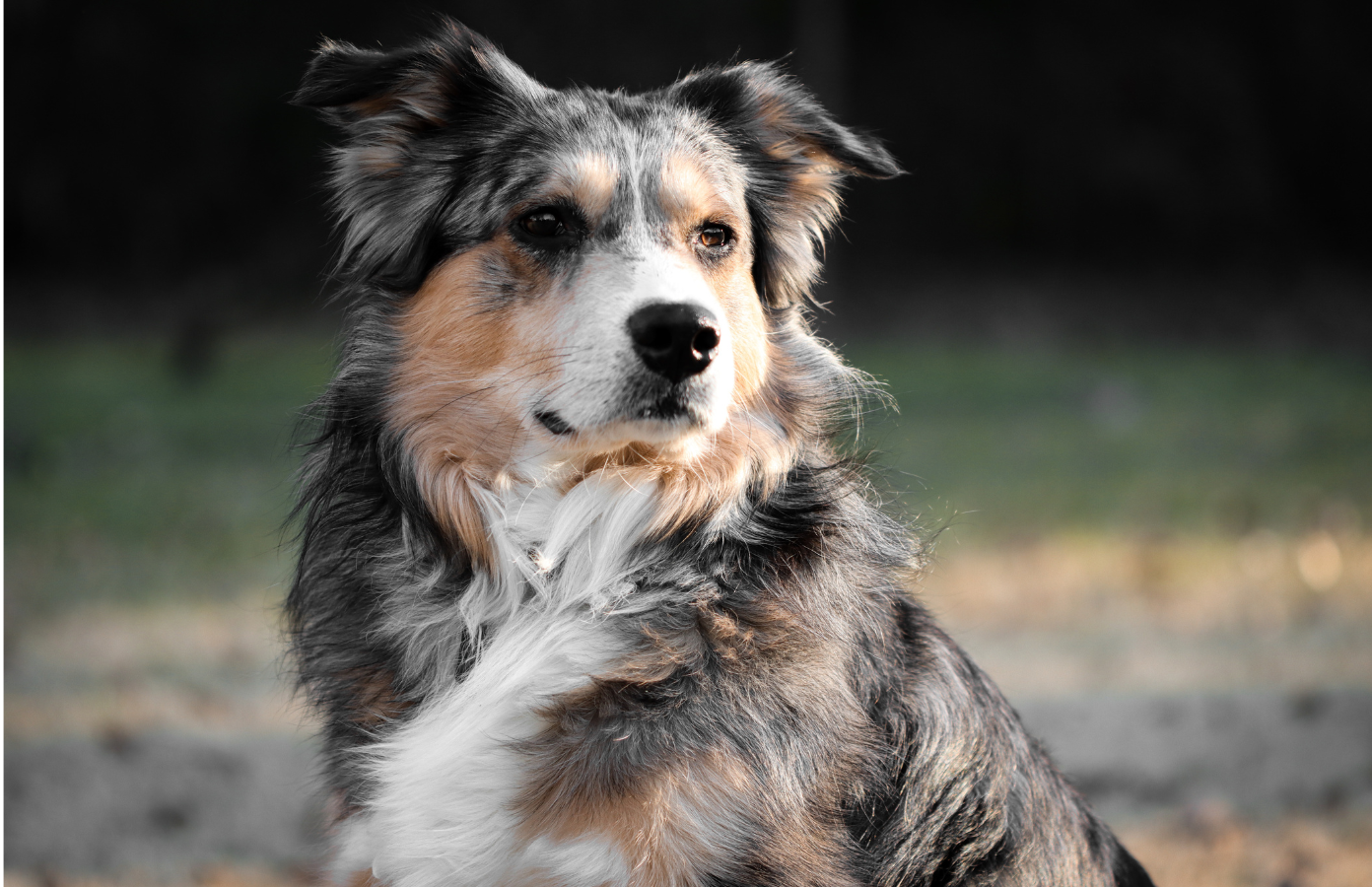
Training your dog properly is an important part of owning and looking after a dog. By making sure your dog, whatever the breed, knows what is expected of them in terms of behaviour is the best way to ensure their and your safety, and the safety of other people and animals you may encounter in your day to day lives.
There are several basic commands that every dog should know, no matter their age or size, including sit, lie down, stay, come and wait. These basic commands are more about safety than anything else, and will help to ensure your dog is properly under your control at all times. Most people like to get these out of the way early on before teaching the more fun tricks such as give paw, roll over, and beg.
As a dog owner the chances are you use a whistle to facilitate their training, or have at least considered using one. They are a fantastically versatile tool that makes it easy to communicate with your dog clearly and over long distances, and the best part is that because dogs have such keen hearing they are much more likely to pay attention to a whistle’s call when there are distractions about.
Types of dog whistles
ACME is a leading manufacturer of whistles for dogs and our iconic ‘silent’ dog whistle is a true ACME original. Our other dog whistles vary in size, tone and pitch to cover every dog and owners’ needs such as the Pro Trialler 212, the 210 and the 211. One of our most versatile and best selling whistles is the sheepdog whistle, also known as the shepherds’ lip whistle, though it’s definitely not just for sheepdogs and shepherds!
The main difference between our lip whistles and the others is that the lip whistle doesn’t work by being held in the hand while you pass air into the mouthpiece. Instead, the shepherds’ whistle works by being placed in a specific position inside of the mouth and air is blown over its surface to produce a sound. There is a knack to it, but with a little practice it is easy enough to master and allows for extremely versatile communication between you and your dog.
Learning to use the sheepdog whistle
When you look at the lip whistle, you’ll see that it has a small tab on one side. Hold the whistle by this tab in one hand. It doesn’t matter which way up the lip whistle is placed as long as it is in the correct position, so place it in your mouth with the curved edge and tab facing outwards and resting on your tongue.
You’ll know it’s in the right position when you are able to create a gap between your tongue and the whistle and the back of the whistle should touch your tongue near the back. Once you think you’ve found the right spot and the whistle is sitting comfortably in your mouth, try blowing air over its surface. You’ll know you’ve gotten it right because the whistle will make a clear sound.
You can vary the sound made by the whistle quite easily. All you have to do is vary the rate at which you blow air over the whistle, or by moving your tongue up and down to increase or decrease the gap between your tongue and the whistle itself. If you place your tongue over the hole at the bottom of the whistle you will silence it completely because no air will be able to pass through.
Once you are used to the way these whistles work, you will be able to accurately reproduce sounds and can begin assigning sounds to commands for your dog to follow, making this one of the absolute best whistles for dogs that you can buy. In many ways, these whistles are better than using your voice because they don’t convey tension or frustration in the way that your voice can. Browse our beautifully crafted sheepdog whistles, or contact us for more information today.