We use cookies to make your experience better. To comply with the new e-Privacy directive, we need to ask for your consent to set the cookies. Learn more.

Recognising and Managing Pressure in Training: How to Keep Your Dog Motivated
- April 10, 2025
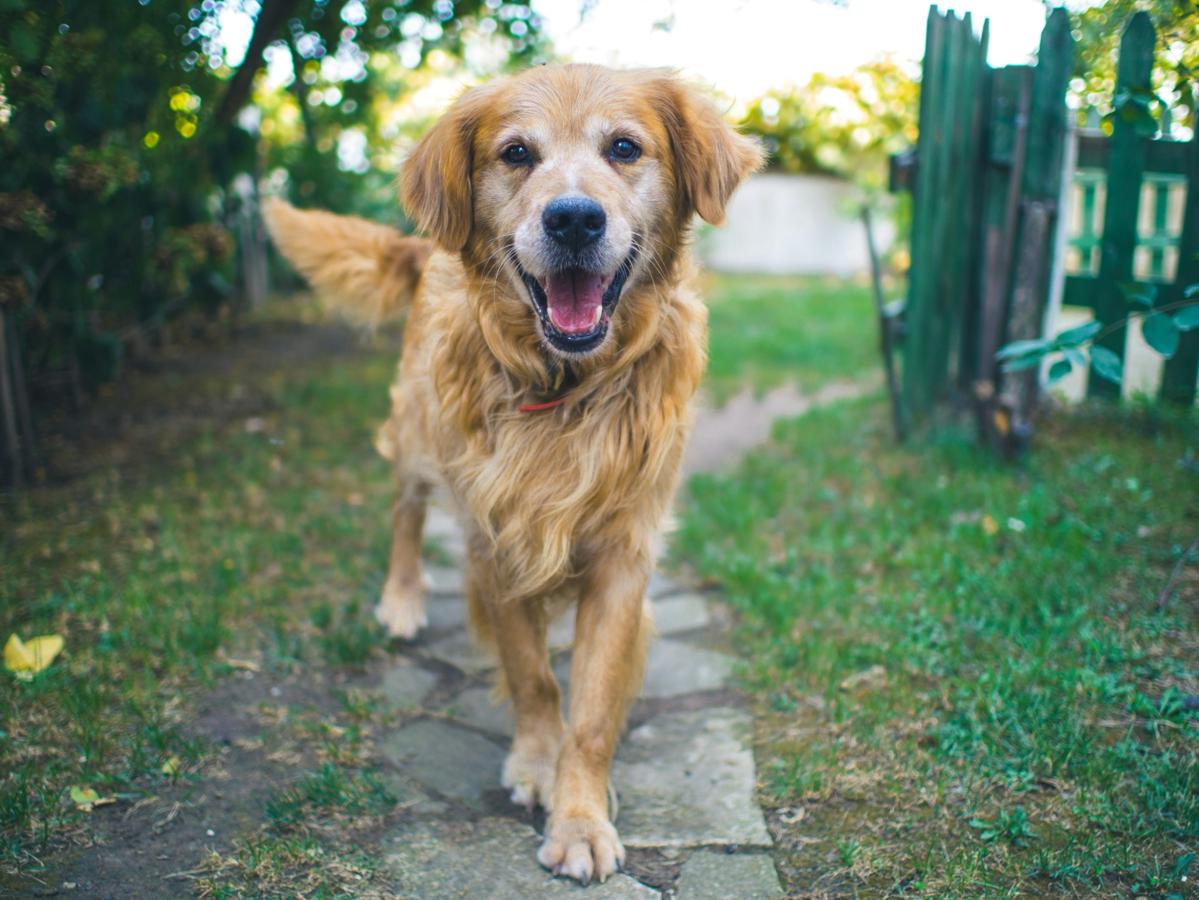
Training your dog should be a rewarding experience for both of you. But sometimes, without realising it, we create pressure that hinders learning rather than encouraging it. Whether you're working on basic obedience or advanced agility, maintaining your dog’s motivation hinges on recognising how they respond to different types of pressure, physical, emotional, and environmental.
Dogs, much like people, have individual thresholds. What motivates one may overwhelm another. Too much pressure can lead to confusion, shutdowns, or unwanted behaviours. On the flip side, the right level of challenge can keep your dog focused, driven, and excited to learn. This article will guide you through spotting signs of stress or demotivation and adjusting your training approach to maintain engagement and enthusiasm.
Spotting the Signs: Understanding Pressure in Dog Training
Before you can manage pressure effectively, you need to know how to spot it. Pressure isn’t always about raised voices or stern commands, it can be subtle, like leaning over a dog, a hand reaching too quickly, or even a change in your tone of voice. Dogs are masters of body language, and they notice far more than we often give them credit for.
Body Language Cues to Watch
Dogs under pressure will frequently exhibit changes in body posture and facial expression. These are often early warnings that something in the training environment is too intense:
- Ears pinned back or flicking frequently
- Lip licking or yawning in the absence of fatigue
- Tail tucking or low wagging
- Avoidance behaviours like looking away or walking off
- Sudden sniffing of the ground, which can signal displacement
These subtle signals can easily be missed if you're focused solely on whether your dog is performing a command correctly. Recognising them in real time allows you to adapt before the pressure escalates into resistance or shutdown.
Emotional and Environmental Factors
External pressure isn’t just physical. Emotional pressure can stem from a trainer’s frustration or inconsistent expectations. For instance, if you ask your dog to sit and they hesitate, repeating the cue more sternly might feel natural, but it may only add confusion or stress.
Environmental factors also play a role. New settings, loud noises, unfamiliar dogs or people, any of these can increase pressure. That’s why a dog who heels perfectly at home might pull or refuse commands in a crowded park. Understanding this context helps you support your dog through graduated exposure rather than sudden leaps in expectation.
Taking note of these responses helps you strike a balance between productive challenge and unhelpful pressure. It's this balance that keeps your training sessions motivational, not mechanical.
Adapting Your Training Approach to Reduce Pressure
Once you've recognised the signs that your dog is feeling overwhelmed, the next step is to adjust your training style to bring the pressure back to a manageable level. This doesn’t mean reducing all challenges; it means presenting that challenge in a way your dog can handle, process, and respond to positively.
Break It Down to Build Confidence
When a task seems too complex or your dog starts to disengage, break it down into smaller, more manageable steps. For example, if you’re teaching a retrieve and your dog stalls at the pickup, don’t repeat the full command. Instead, reward them for approaching the object, then for touching it, then for lifting it. These incremental wins restore confidence and make the learning process more rewarding.
Use Movement to Diffuse Tension
Many dogs respond well to motion. If your dog freezes or begins to resist, gently moving away from them, rather than toward, can help release pressure. Turning your body to the side or walking in a different direction invites the dog to follow without making it feel like they’re being forced. This subtle technique is especially useful when working on recall or loose lead walking.
Vary Rewards and Training Locations
One powerful tool in reducing pressure and maintaining motivation is switching up rewards. Some dogs respond better to food; others thrive on toys, praise, or play. Varying your reinforcement helps avoid monotony and lets you discover what truly motivates your dog in different scenarios. Midway through any session, take stock: is your dog still energised? If not, try a change of scenery or reward type.
Incorporating tools like an ACME gundog whistle at this point can also bring clarity. A consistent whistle signal reduces uncertainty, helping your dog understand exactly when they've got it right, thereby easing the emotional pressure of guessing.
Training is a conversation, not a command chain. If your dog isn’t responding, it might not be disobedience, it might be a cry for clearer guidance or less intensity.
Building Motivation
Motivation in dog training isn’t just about treats or toys, it’s about creating a dynamic where your dog feels safe, successful, and eager to engage. This means actively reinforcing the behaviours you want to see, while being careful not to pile on too many expectations at once.
Find the Right Balance Between Challenge and Success
Dogs thrive when they feel capable. If you always set the bar just out of reach, your dog may lose interest or confidence. On the other hand, too little challenge can lead to boredom. Try working within what’s often called the “flow zone”—tasks that are slightly above your dog’s current skill level, but achievable with effort. Celebrate even small wins enthusiastically to maintain energy and interest.
Keep Sessions Short and Varied
Dogs learn best in short, focused bursts. Five to ten minutes of upbeat training can achieve far more than half an hour of repetition. Within those sessions, mix easy behaviours your dog knows well with newer, more complex ones. This helps reinforce their sense of achievement while gently nudging their progress forward.
Read the Room—Or the Field
Some days your dog might be more sensitive or distracted than usual. Perhaps they’re tired, the weather’s hot, or there’s a new scent in the air. These are times to scale back rather than push through. Motivation doesn’t come from forcing performance, it comes from understanding when to shift gears.
Finally, remember that motivation is fluid. What works one day might not the next. Your role as a trainer is to stay curious, keep experimenting, and always put the relationship first.
Keeping It Positive: Long-Term Strategies for Success
Sustaining your dog’s motivation starts with making training feel safe, consistent, and enjoyable. Instead of relying on high-stakes rewards or quick fixes, build a rhythm that celebrates steady progress and keeps pressure in check.
Reflect on each session, stay responsive to your dog’s cues, and treat every moment of connection as a win. The more your dog trusts the process, the more they’ll want to learn with you, not just for the treat, but for the joy of working together.