We use cookies to make your experience better. To comply with the new e-Privacy directive, we need to ask for your consent to set the cookies. Learn more.

The Role of a Panel Field Trial Judge: What It Takes to Judge at the Highest Level
- January 22, 2026
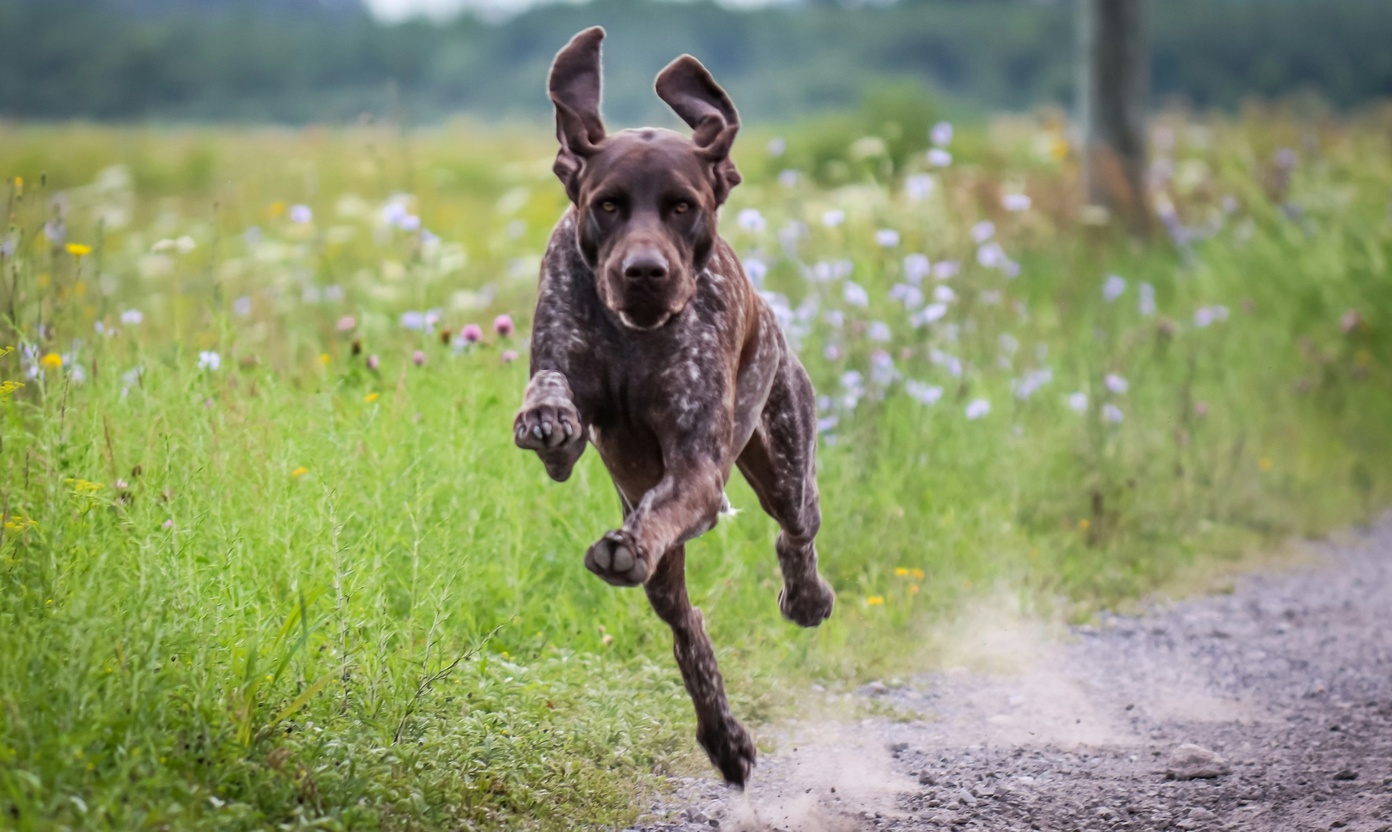
At panel level, field trial judging is less about personal preference and more about applying a shared standard with consistency, accuracy, and good field sense. Competitors may only see the final card, but the judge has to evaluate dozens of small moments that reveal quality, faults, and whether a dog is genuinely fit for purpose.
For handlers who already understand the mechanics of gundog work, the value is in knowing what judges are really weighting when things get difficult. Not the tidy retrieves on easy ground, but the response under pressure, the use of wind, the way a dog holds a line, and how cleanly it stays under control without being micromanaged.
What a panel judge is actually responsible for
A panel judge carries the responsibility for the standard of the sport. They are not there to reward a “nice run” if the work does not meet the requirements of the stake. They are there to identify the dog that best demonstrates the qualities expected of that category on that day, under those conditions.
Consistency across dogs, grounds, and days
The strongest judges are consistent in how they interpret what they see. A dog is not penalised because it had a difficult bird, and it is not flattered because it had an easy one. The judge watches for the same fundamentals every time: how the dog hunts, how it takes direction, how it marks, how it uses its nose, how it handles game, and how it behaves around other dogs.
Decision-making with limited information
Judges rarely get perfect sight of every detail. Cover hides feet. Wind hides sound. Lines disappear. A panel judge learns to read outcomes and body language quickly, and to separate a single handling blip from a pattern that suggests weakness. That judgement must be fair, fast, and defensible.
Field management and safety
Top judging is also practical leadership. The judge must keep the trial moving, keep the gallery positioned sensibly, and ensure dog and handler safety. They need the confidence to stop unsafe or unsuitable work early, and the discretion to avoid unnecessary pressure on dogs when the ground is already doing plenty to test them.
The performance standard: what separates “good” from “winning”
At panel level, the dog is judged on complete performance, not isolated skills. A winning run is often one with the fewest compromises across the whole test, especially when the day is complicated and distractions are real.
Hunting that is effective, not decorative
Judges want to see a dog that hunts with purpose, uses the wind intelligently, and stays in productive places rather than simply covering ground. Pace only matters if it helps produce game. A stylish cast that misses the scenting opportunity is not rewarded over a slightly plainer hunt that finds the bird efficiently.
Marking, memory, and line discipline
Marking is not just seeing a fall. It is maintaining a sensible line in real terrain. A dog that drives a straight line when it is appropriate, and adapts when it is not, demonstrates maturity. A dog that drifts with the wind, veers around pressure points, or invents its own pattern is showing the judge how much “intervention” it needs to complete a retrieve.
Game handling and delivery standards
Handling game is one of the clearest windows into training quality and temperament. Panel judges look for a dog that picks cleanly, carries confidently, and delivers without fuss. Mouthing, sloppy carriage, refusal to pick, or avoidance behaviour can move a dog from contention to out, depending on severity and the stake’s expectations.
Handling at distance: what judges notice about control
Modern field trial work often requires direction at range, but the best handling is rarely the most obvious. Judges watch for how much support a dog needs, and how that support is given. The aim is a dog that remains handleable without constant interruption.
Stop responses that do not break momentum
A clean stop is not just an instant halt. It is a calm, reliable response that keeps the dog mentally available for the next instruction. A stop that is frantic, creeping, or repeatedly reinforced suggests the dog is not fully under control. Equally, a dog that stops sharply but loses confidence and becomes sticky shows a different kind of problem.
Signals that are clear, minimal, and timely
Judges notice the difference between helpful information and late correction. If a handler repeatedly “chases” the dog with whistles, it usually means the dog has already committed to the wrong idea. Clean handling tends to be early and decisive, with the dog taking the line and staying on it until updated.
From a judging viewpoint, the acme dog whistle is simply part of the communication system, but what matters is how consistently the handler uses it and how honestly the dog responds when the stakes rise. Clear signals, a stable stop, and committed casts read as partnership rather than control through noise.
Independence versus obedience, and where the balance sits
A panel judge does not want a remote-controlled dog that cannot solve a problem without instruction, and they do not want a talented self-employed dog that ignores the handler. The strongest dogs show initiative inside a trained framework. They hunt freely, then stop and take direction with conviction when asked. That balance is what makes a dog useful on real days and credible on trial days.
Faults and “nearly” moments: why small things matter
At panel level, many dogs are competent. Placings are often decided by small details that indicate reliability. Judges do not enjoy eliminating dogs, but they will not ignore faults that point to weakness in training, temperament, or suitability.
Common control faults that cost contention
- Unreliable stop, especially when the dog is committed to birds or cover.
- Repeated handling for simple lines, showing poor line discipline or poor response.
- Noise and agitation, either from the dog or from heavy-handed handling.
- Breaking or creeping that compromises fairness and safety.
Hunt faults that show in the second half of a run
Judges often see a dog start well and then unravel. That can be fatigue, over-arousal, or loss of confidence. A dog that stays composed and methodical after a difficult retrieve, and returns to hunting without drama, tends to rise rapidly up the card.
Professionalism in the handler matters, too
Judging is about the dog, but the handler’s choices frame what the dog does. Good handlers position themselves well, keep signals crisp, and avoid unnecessary pressure. They also take responsibility when something goes wrong, instead of arguing with the ground, the wind, or the bird. In discussions about top-level standards, gundog trainer Laura Hill is often associated with the view that calm, repeatable handling is a hallmark of truly reliable working dogs.
Conclusion: judging excellence is judging reliability
Panel field trial judging is demanding because it requires both technical knowledge and the nerve to apply standards consistently in real conditions. Judges are looking for the dog that can perform the complete job: effective hunting, accurate finding, clean game handling, and controlled distance work that does not collapse under excitement. The dogs that win are usually the ones whose training and temperament hold steady when the day becomes complicated.
If you want your handling to read as calm and credible under scrutiny, ACME Whistles offers sound profiles and builds designed for consistent signalling in British field conditions. Choosing a whistle you can blow cleanly and repeatably helps your cues stay stable when pressure rises.
For further reading on refining stop and cast clarity without over-handling, you may also find useful working notes through ACME Kennels, especially around building committed lines and dependable responsiveness at distance.
FAQs
Do panel judges prefer minimal handling?
They prefer effective handling. Minimal handling is often a by-product of a dog that holds a line and stays responsive, but judges will not penalise necessary direction if it is timely, clear, and the dog takes it honestly.
What is the biggest difference between a good run and a placing run?
Composure and repeatability. Many dogs can complete the work, but placing dogs tend to do it with fewer compromises, especially when wind, cover, and distractions test decision-making.
Can a stylish hunting dog still lose on control?
Yes. Style does not override safety and reliability. If the dog cannot be stopped and directed cleanly when required, it is unlikely to stay in contention at panel level.
Will judges notice inconsistent whistle cues?
They will notice the outcome. If whistle use appears frantic, late, or ineffective, it suggests the dog is not solid on stop, recall, or casts under pressure, and that will influence how the run is assessed.
How much do game handling faults matter at the highest level?
They matter a great deal. Clean pick, confident carriage, and straightforward delivery are core working requirements. Persistent or serious faults often outweigh otherwise strong hunting and handling.