We use cookies to make your experience better. To comply with the new e-Privacy directive, we need to ask for your consent to set the cookies. Learn more.

Using Dog Whistle Training in Real-Life Situations: Parks, Beaches, and Public Spaces
- June 25, 2025
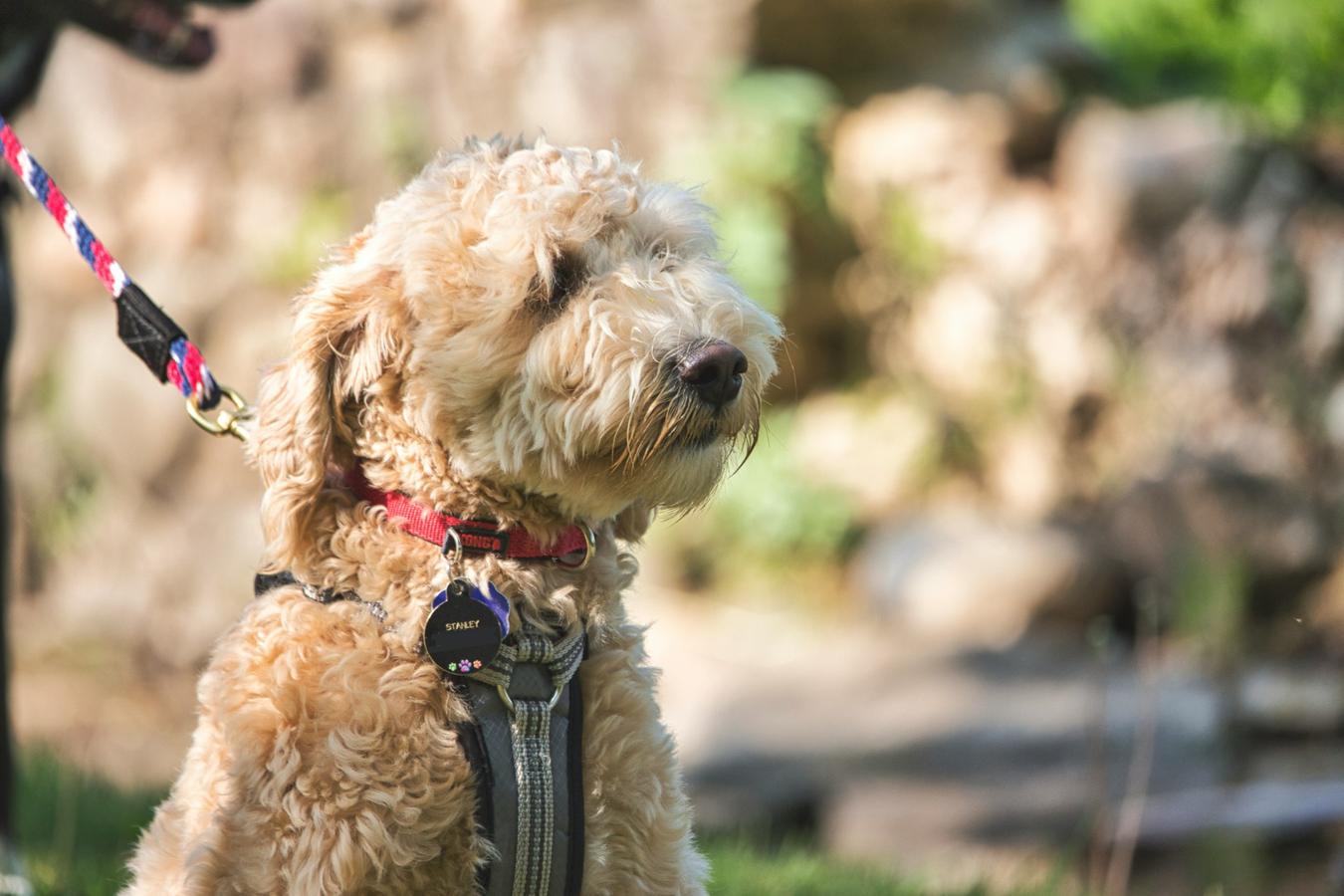
There’s something magical about watching a well-trained dog respond instantly to a whistle, especially in unpredictable environments like parks, beaches, or bustling public spaces. While many dog owners master whistle training at home or in the garden, taking it beyond the fence line introduces a fresh set of challenges and opportunities. Distractions multiply, recall reliability is tested, and your dog’s ability to listen under pressure becomes the star of the show.
Making Dog Whistle Training Work at the Park
The local park is one of the most common places to test a dog's off-lead obedience, and one of the most unpredictable. From joggers and cyclists to other dogs, children, and squirrels darting across the grass, your dog is bombarded with temptations that can derail even the best-laid training plans. That’s why whistle training in the park demands a few key adjustments from your regular routine.
Reinforcing Response in Open Spaces
The open space of a park amplifies distractions and distance, making it harder for your dog to focus. Use a consistent whistle signal, such as a single long blast for recall, paired with a high-value reward when they respond. Practice at increasing distances, starting from just a few feet away and gradually moving to longer-range recalls, reinforcing every success without fail.
Gradual Exposure to Real Distractions
Avoid jumping straight into peak park hours. Begin training during quieter times, slowly introducing your dog to more distractions as they build confidence. This could mean working near a path frequented by runners or practising a sit-stay when another dog walks past at a distance. The key is exposure without overwhelming your dog.
Using the Environment as a Training Asset
Parks offer natural training props. Trees can be used for hide-and-seek recall games, benches for obedience stations, and footpaths for practising walking to heel on whistle command. These features help integrate obedience into your dog’s understanding of the everyday world, strengthening real-life application.
Respect and Readiness
Even with reliable whistle training, it’s important to read the room, or rather, the park. If a football match is underway or someone is nervous around dogs, it might be best to keep yours on a lead or long line. A whistle-trained dog isn’t just well-behaved, it’s also well-mannered in public, guided by an owner who knows when to call it a day.
Beach Days and Dog Whistles: Keeping Control in Coastal Chaos
Beaches might look like paradise, but they’re often a sensory overload for dogs. Waves crash, seagulls taunt from above, and the scent of salt, seaweed, and barbecues compete for attention. Add in roaming children, other dogs, and the vast, open space, and it’s easy to see why a solid whistle response is essential for safety and enjoyment.
Combatting Long-Distance Drift
The expanse of a beach can tempt even the most obedient dogs to wander. A dog whistle cut through the wind more reliably than a voice command, so a short series of sharp pips (e.g. three quick blasts) can be trained as a "check-in" or directional cue. This helps dogs stay within range and engaged, even if they’re sprinting along the shoreline.
Sand-Specific Training Tactics
Unlike grass, sand can affect traction and speed. Practice recall and stop commands specifically on sand, so your dog adjusts to how they move and respond in that environment. Start near the dunes where distractions are fewer before moving closer to the water’s edge.
Introducing Water Boundaries
If your dog enjoys a swim, introduce a distinct whistle cue to recall them from the water. This may require a stronger reward, perhaps a special treat or their favourite toy, to entice them back from a paddle. It also teaches them that coming back doesn't mean the fun is over, but rather that it continues under your direction.
Navigating Other Beachgoers
Unlike fenced dog parks, beaches are shared with sunbathers, children, and other pets. Use your whistle to signal polite pauses, redirect your dog from approaching others uninvited, or call them to heel when navigating crowds. This makes your dog a welcome guest on any shoreline and reduces stress for everyone.
Whistle Training in Busy Public Spaces: Urban Adventures with Confidence
City streets, markets, outdoor cafés, and high footfall town centres introduce an entirely different challenge. Public spaces brim with unpredictable movement, loud noises, and sudden encounters. Here, whistle training becomes more than a recall tool; it becomes a quiet way to communicate amid the chaos.
Using Whistle Cues for Calm Behaviour
In tight urban environments, a dog that lunges or pulls can cause accidents or tension. A short, sharp whistle can be trained as a “look at me” cue, immediately redirecting your dog’s focus. This helps avoid problems before they escalate and keeps your dog calm and engaged as you move through crowds.
Practising Proximity Control
Public spaces often require your dog to stay close. A whistle cue for a close heel, such as two quick blasts, can be introduced during quieter sessions and reinforced with walking practice through busy pedestrian zones. The goal is to turn your dog’s focus toward your pace and positioning, making them a partner rather than a passenger.
Handling Surprises with a Pre-Trained Response
Urban environments are full of surprises: a pigeon flying out from under a bench, a delivery trolley rumbling past, or a child reaching out to stroke your dog. By pre-training a sit or lie-down cue via the whistle, you can guide your dog into a calm default behaviour when startled, rather than having them bark, bolt, or pull away.
Respecting Public Etiquette
Not everyone is comfortable with dogs, even polite ones. Whistle training offers a subtle way to maintain good manners without needing to shout over city noise. It also demonstrates responsible ownership, showing that you’re actively managing your dog’s behaviour rather than relying on hope and habit.
Practical Tips for Transitioning Whistle Training Outdoors
Moving from home-based training to public environments isn’t simply about location; it’s a shift in mindset, timing, and expectation. Here’s how to make that transition smooth and successful, without undoing all the good habits you’ve built.
Start with Familiarity Before Variety
Always begin outdoor dog whistle training in spaces where your dog is already comfortable, such as a quiet corner of a familiar park. Only once they respond consistently should you progress to new, unpredictable settings. This builds a habit of success before layering on complexity.
Use a Long Line to Bridge Confidence Gaps
Even with good recall indoors, adding a long training lead when first heading outdoors gives you a safety net. It allows freedom to test commands at a distance while retaining control if things don’t go to plan. Over time, the line becomes a backup rather than a necessity.
Repetition Beats Range
When introducing whistle cues outdoors, don’t jump straight to distance work. A single successful two-metre recall in a distracting environment is worth more than a failed attempt at twenty. Focus on repeated success over growing distance, then expand naturally as your dog becomes more confident.
Switch Up Rewards to Match the Environment
What motivates your dog in the kitchen may fall flat at the beach. In high-distraction settings, bring out the big guns, special treats, toys, or praise routines saved only for whistle training. Make coming back to you more appealing than chasing a gull or greeting another dog.
Keep Sessions Short and Positive
Overtraining in a distracting environment can lead to frustration and failure. Limit sessions to short bursts, ideally before your dog becomes too tired or overstimulated. End on a high note, one good whistle recall, and it's game over. That’s the moment your dog will remember next time.
Turning Training into Real-World Reliability
At its best, whistle training isn’t just a technique; it’s a lifeline. It gives your dog freedom while keeping you both connected, no matter the setting. From windswept beaches to crowded pavements, it builds trust in situations where shouting would fail and leads might not be practical.
The true success of whistle training isn’t measured by perfect obedience in the garden. It’s in those unexpected moments when your dog glances back at you at the sound of a signal, mid-chase, mid-play, mid-chaos, and chooses to respond. That single decision represents countless small wins in practice, patience, and consistency.