We use cookies to make your experience better. To comply with the new e-Privacy directive, we need to ask for your consent to set the cookies. Learn more.

How to Transition Your Dog from Verbal to Whistle Commands
- June 25, 2025
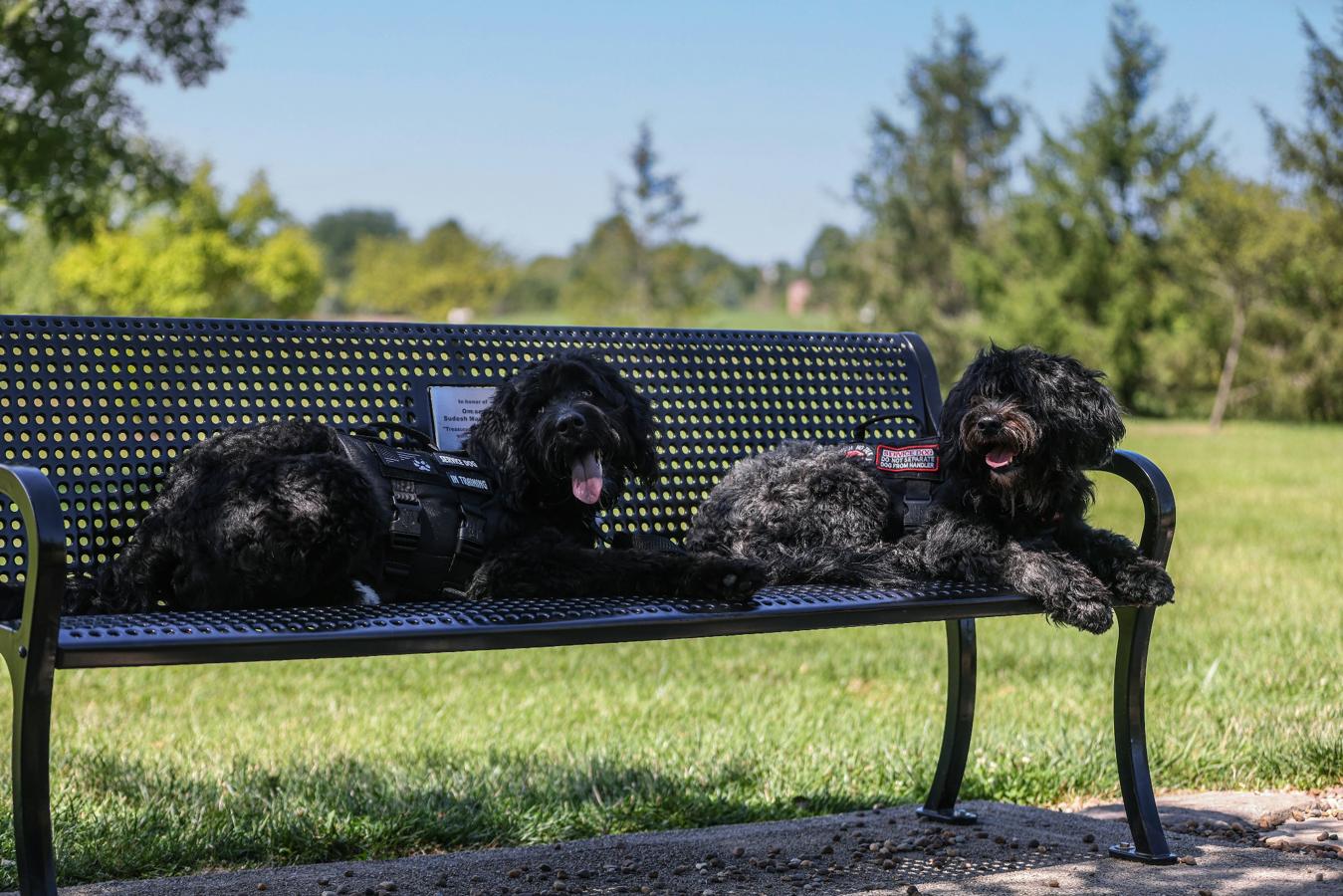
Training your dog to respond to whistle commands can significantly improve communication, especially at a distance or in noisy environments. While verbal cues are useful in everyday settings, whistles offer clarity, consistency, and the ability to cut through distractions. This guide walks you through the steps needed to smoothly transition your dog from voice commands to whistle cues, ensuring a confident and stress-free shift for both of you.
Choosing the Right Whistle for Effective Communication
Before you begin the transition, it’s crucial to select a whistle that suits both your dog’s hearing and your training needs. Not all whistles are created equal, and using the right one can make a noticeable difference in how quickly and confidently your dog adapts.
Pea vs. Pealess: What’s the Difference?
Dog whistles come in two main types: pea whistles and pealess whistles. Pea whistles have a small ball inside that creates a trill or roll in the sound. They’re excellent for close-range work, especially for gundogs, as the sound can vary with breath pressure and technique. However, they may freeze up in cold, wet conditions.
Pealess whistles produce a clear, consistent tone without any moving parts, making them reliable in all weather. They’re often favoured for recall or distance work, especially if you need the same tone every time.
Frequency Matters
Some whistles have fixed frequencies, while others allow you to adjust the pitch. Dogs have varying sensitivities to sound, so the ideal frequency is one that your dog finds easy to detect and react to, but not irritating. Many owners choose a mid-frequency whistle that balances clarity with comfort.
Brands like ACME offer numbered whistles that allow handlers to choose a precise pitch and stick with it. This consistency is critical during training.
Consider the Environment and Training Goals
If you plan to train in open fields or large parks, opt for a whistle that projects well over distance. For urban environments or indoor settings, a quieter whistle may suffice. If you're working with a breed prone to wandering or stubbornness, a higher-pitched, attention-grabbing whistle can make a big difference.
Once you’ve chosen your whistle, use it consistently, stick to the same model and tone to avoid confusing your dog during the transition.
Introducing the Whistle: Pairing it with Familiar Verbal Cues
With the right whistle in hand, the next step is to help your dog associate whistle sounds with commands they already know. This step is about pairing, not replacing, at least not yet. Your dog’s success relies on the strength of the associations you build.
Start with a Single Command
Choose one reliable command your dog already understands: recall is often the best starting point. When your dog is coming towards you on cue (e.g., “Come”), immediately blow the whistle at the same time, using a distinct and consistent signal. For instance:
- One long blast for "Come"
- Two short pips for "Sit"
- One short pip for "Stop"
Repeat this pairing over multiple sessions, ideally in calm environments where distractions are minimal. Use high-value treats or play rewards to reinforce the behaviour when your dog responds correctly.
Keep the Timing Precise
Timing is essential. The whistle must occur at the exact moment your dog responds to the verbal cue; this way, the two signals become linked in the dog’s mind. If the whistle is delayed or inconsistent, it will muddy the association.
Add Whistle Cues to Other Known Commands
Once your dog shows a solid reaction to the whistle with the first command, you can begin adding whistle pairings to other familiar behaviours. This might include “Sit,” “Down,” or “Stay.” Just as before, deliver the verbal and whistle cues simultaneously, followed by an immediate reward.
Use short, consistent training sessions, ideally no more than 10–15 minutes, and always finish on a positive note to build confidence and engagement.
Observe Your Dog’s Responses
During this phase, your dog may appear puzzled or hesitant; that’s perfectly normal. You're layering a new form of communication on top of an existing one. Patience and consistency are your strongest allies here. Stick with the same whistle sounds for each command, and avoid switching tones mid-training.
Reinforcing Whistle Commands Through Repetition and Rewards
Once your dog begins to recognise the whistle sounds alongside verbal cues, it's time to build confidence and clarity through repetition and positive reinforcement. This stage is where muscle memory meets motivation. The more your dog associates whistle cues with positive outcomes, the more responsive they’ll become.
Structured Practice Builds Confidence
Daily training sessions should be short, varied, and purposeful. Structure each session to include:
- 3–5 repetitions per command
- Increasing levels of distraction (but only after success at lower levels)
- Clear, consistent whistle signals
- Immediate rewards following correct responses
Mix up environments to help your dog generalise the whistle command across locations. Practice in the garden, at the park, or on walks. Just ensure each session builds on your dog’s success rather than over-challenging them too soon.
High-Value Rewards Create Lasting Associations
At this stage, rewards play a crucial role. Choose motivators your dog loves, such as small pieces of cooked chicken, a tug toy, or a game of chase. Use these rewards only for whistle command training so they retain high value.
When your dog responds correctly to a whistle cue, reward generously. As their reliability increases, you can slowly shift to intermittent reinforcement, but always acknowledge correct responses in some way, even if just with praise or a quick play.
Avoid Over-Whistling
Whistle training relies on clarity and precision. Don’t fall into the habit of repeating whistle commands multiple times in quick succession; this teaches your dog that they don’t need to respond immediately. Blow the whistle once and wait. If your dog hesitates, return to easier environments or reintroduce the verbal pairing to re-establish the connection.
Track Progress and Identify Gaps
Keep a dog training journal or mental log of which commands are becoming stronger and which ones need more repetition. This helps you avoid reinforcing sloppy behaviour and keeps training sessions focused. If a command starts to slip, resist the urge to introduce a new one. Instead, return to basics and reinforce what’s already been taught.
Phasing Out Verbal Cues: Making the Whistle the Primary Signal
Now that your dog responds reliably to whistle signals paired with verbal cues, the next step is to fade out your voice and allow the whistle to become the primary method of communication. This shift should be gradual and deliberate to prevent confusion or regression.
Reduce Verbal Use Step by Step
Start by giving the whistle command just before the verbal cue instead of at the same time. For example:
- Blow the whistle
- Wait one second
- Say the verbal cue
After several sessions, delay the verbal cue a little longer, eventually to the point where your dog responds to the whistle before you say anything. Once your dog consistently reacts to the whistle alone, begin omitting the verbal command altogether.
This tapering approach ensures your dog doesn’t feel abandoned or confused by the sudden silence. It also reinforces that the whistle, not your voice, is the key signal.
Observe and Adjust at Your Dog’s Pace
Some dogs transition quickly, while others may need more time with verbal support. Watch your dog’s body language and reactions closely. If they look uncertain, reintroduce the verbal cue temporarily to maintain their confidence.
Remember: this is not a race. The goal is lasting understanding, not speed.
Introduce Whistle-Only Sessions
Begin incorporating whistle-only commands into your regular routine. Pick a time of day, like your morning walk or evening playtime, where you use only the whistle and body language. These dedicated sessions reinforce the new communication style without relying on old habits.
Avoid mixing verbal and whistle commands during these periods, as that can reintroduce dependency on your voice.
Build Distance and Distraction Gradually
Once your dog is responding well to whistle-only commands in calm environments, slowly introduce more challenging scenarios. This might include:
- Calling your dog from a greater distance
- Using whistle cues in a busier park
- Maintaining attention when other dogs or smells are nearby
Always return to easier setups if your dog struggles. Progression should feel like a natural evolution of their skills, not a test they need to pass.
The Power of Silent Communication: Strengthening the Bond
Transitioning your dog from verbal commands to whistle cues isn't just about training; it's about building trust and responsiveness in a new, more refined way. Once your dog reliably responds to whistle signals, you'll notice more fluid communication, even in complex or high-distraction situations.
Maintain the Routine
Just because your dog has mastered whistle commands doesn’t mean training is over. Maintain short refresher sessions every few days to keep behaviours sharp. Dogs thrive on structure and repetition, and even well-trained dogs benefit from revisiting their whistle cues in different environments.
Handle Mistakes with Patience
Even after mastering the transition, occasional lapses are normal. If your dog seems to forget a command or fails to respond, don’t scold or switch back to verbal commands in frustration. Stay consistent, return to an easier version of the exercise, and reinforce the correct response positively.
Deepen the Bond Through Non-Verbal Cues
As your reliance on voice fades, your dog becomes more attuned to your body language, posture, and timing. Whistle training opens up a quieter form of communication where your dog begins to anticipate your cues based on context and subtle signals. This mutual attentiveness can deepen your bond and enhance your ability to work together as a team.
Celebrate Progress—Together
Every successful whistle command is a sign of partnership. Whether you're training a working dog, enjoying country walks, or simply looking for clearer communication, the transition to whistle training is a rewarding process. Keep sessions enjoyable, celebrate the wins, and use this shared experience as a foundation for even more advanced training if desired.