We use cookies to make your experience better. To comply with the new e-Privacy directive, we need to ask for your consent to set the cookies. Learn more.

Clicker Training Your Puppy (Part 1): How to Build Engagement and Reinforce Good Behaviour
- July 06, 2025
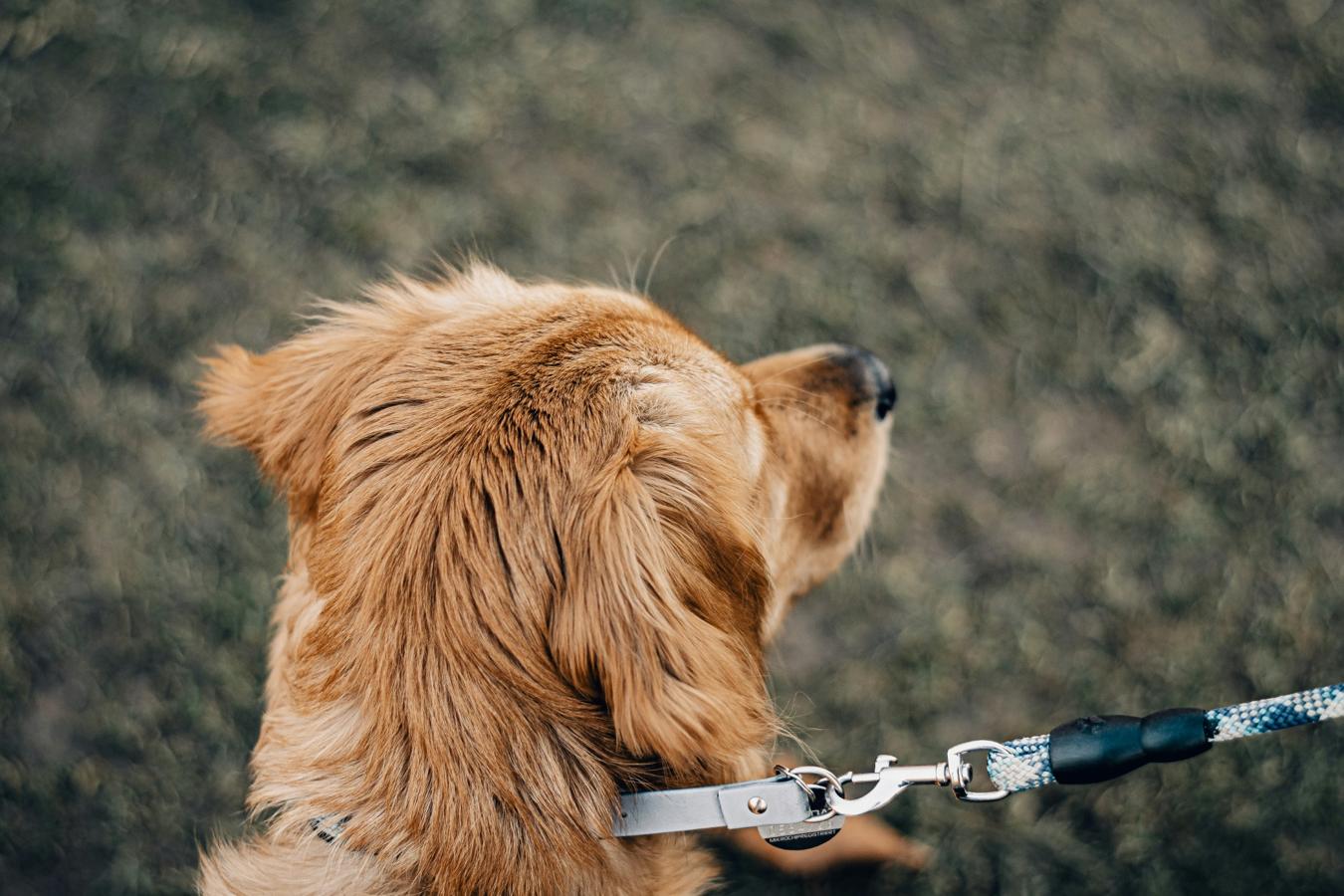
Before you teach your puppy to sit or stay, there’s a more important question: Are they even paying attention? Engagement is the cornerstone of effective clicker training. Without it, even the best timing and tastiest treats will fall flat. Before layering in commands or formal cues, you need to build a puppy who wants to interact with you, one who sees training as a game worth playing.
This guide is all about creating that spark. In Part 1 of our clicker training series, we’ll show you how to build natural engagement through everyday play, how to reinforce the behaviours you want without confusing your pup, and how to develop a reward routine that keeps their focus on you, even when the world gets distracting. Think of it as laying the emotional groundwork that makes learning joyful, not just obedient.
Building Engagement Through Movement and Play
A fully engaged puppy isn’t just looking at you, they’re thinking, “What are we doing next?” That kind of focus doesn’t come from standing still and waiting for them to sit. It comes from movement, shared energy, and turning yourself into the most rewarding thing in the room. If your puppy would rather sniff a leaf than train with you, the answer isn’t firmer commands; it’s more fun.
Start by using movement to encourage your puppy to follow you. Clap your hands and take a few quick steps backwards. The moment your puppy comes bounding after you, praise them and keep the momentum going. You’re not asking for a formal recall yet; you’re simply teaching that engaging with you leads to exciting things. A puppy that chases after you willingly is a puppy who is ready to learn.
Short tug games, gentle chase, or rolling a ball across the floor can also become powerful engagement tools. Just be sure to keep sessions brief and upbeat. When your puppy gets involved, reward them with praise, play, or a treat. The goal here is to make you the most interesting part of their environment.
Another simple trick? Be unpredictable. Puppies tune out when routines become repetitive. Try changing direction mid-walk or hiding briefly behind a doorway and calling them to find you. Reward them generously when they reappear. These little surprises keep their focus sharp and make them want to stick close.
Finally, don’t underestimate your tone of voice. Bright, playful tones grab attention far more effectively than a flat or stern command. Your puppy doesn’t understand English, but they absolutely understand excitement and fun.
At this stage, you're not shaping formal behaviours, you’re shaping attention itself. Once your puppy learns that good things happen when they stay tuned in to you, every future training step becomes easier.
Spotting and Rewarding Good Choices Without Prompts
It’s tempting to wait for your puppy to do something “on command” before you reward them, but that skips over a vital phase in clicker training. Before cues and instructions, there’s something far more important to nurture: your puppy’s own good choices. This means paying close attention to what they offer naturally, without being asked, and letting them know they’ve got it right.
Imagine your puppy settles quietly on their bed without being told. Or walks past a dropped sock without grabbing it. These are golden moments. Instead of ignoring them because they weren't requested, mark them with a click and a reward. Over time, this helps your puppy learn that calm, polite, and attentive behaviours bring positive outcomes, even when they’re spontaneous.
This kind of training is often called capturing. You’re capturing behaviours your puppy chooses on their own and turning them into habits. The more you notice and reward these moments, the more they’ll happen.
Here are a few examples of everyday behaviours worth rewarding:
- Sitting calmly while you put on your shoes
- Pausing before going through a doorway
- Watching you rather than barking at a noise
- Choosing to play with a chew toy instead of the furniture
The key here is timing. The reward needs to follow within a second or two of the behaviour, or your puppy won’t make the connection. Keep your clicker and some treats handy during everyday life so you can reward these little victories on the spot.
The result? A puppy who isn’t just waiting for instructions but is actively choosing the right thing, because it’s been made worthwhile.
Creating Reward Patterns That Strengthen Focus
Once your puppy is engaging and offering good behaviours on their own, the next step is to build reward patterns that keep them motivated. This isn’t just about giving a treat every time; it’s about creating a rhythm of interaction that strengthens their focus and keeps training exciting.
One powerful technique is reward variety. If your puppy gets the same treat every time, they may lose interest quickly. Instead, mix it up. Use a range of rewards, tiny food treats, a quick tug with a toy, praise, or even a brief burst of play. Tailor your reward to the situation. For calm behaviours like waiting at the door, a gentle treat and quiet praise work well. For fast, energetic responses like running to you, bring out the high-value treat or favourite toy.
You can also vary the delivery of the reward to boost engagement. Try tossing the treat a short distance so your puppy has to move for it. This keeps things dynamic and resets their focus. For behaviours you really want to reinforce, use a jackpot—give three or four small treats in a row to make the success feel extra special.
Next, consider using reward markers. While the dog clicker tells your puppy they’ve done the right thing, the reward marker tells them what kind of reward is coming. For example:
- “Yes!” = Treat is coming directly from your hand
- “Get it!” = You’re going to toss the treat away
- “Break!” = End of the exercise; go play
These little cues add structure and predictability, which helps build confidence. They also give your puppy more context about what’s happening next, reducing confusion or hesitation.
Finally, don’t fall into the habit of rewarding only when your puppy does something perfectly. If they’re trying, keep encouraging them. Celebrate effort, not just precision. This mindset helps build trust and resilience, and it keeps the training momentum strong.
Managing Distractions and Redirecting Attention Gracefully
Distractions are a part of everyday life, postmen, passing dogs, rustling leaves, even your neighbour opening a crisp packet. Teaching your puppy to engage with you despite these interruptions is a long-term goal, but it starts with knowing how to manage their attention gently when their focus slips.
Instead of commanding your puppy to “look” or “leave it” when they become distracted (which comes later in their training), use gentle redirection techniques that bring their attention back to you without pressure. For example, you can move a few steps in the opposite direction with an inviting tone or use a toy to spark curiosity. When they choose to reconnect with you, mark and reward the decision.
It helps to spot early signs of drifting focus. Is their head tilting towards a sound? Are their ears pricking up at something across the room? Catch these moments early by becoming the more interesting option. Drop into a crouch, use a playful noise, or simply move. Movement is a magnet for young dogs it often re-engages their brain more effectively than a verbal cue at this stage.
To make things easier, start training sessions in environments with low stimulation, and only gradually add gentle distractions once your puppy shows consistent focus. Practising in the garden, near an open window, or on a quiet street lets your puppy learn to filter out mild distractions while still succeeding.
And if your puppy completely disengages? Don’t panic. Dog training is a long game. Simply pause, let them reset, and try again in a quieter spot later. Pressuring a distracted pup rarely ends well, but rewarding their return to focus, however brief, lays the groundwork for future self-control.
Ending Sessions on a High
How you wrap up a training session is just as important as how you start it. The final moments leave a lasting impression, and if your puppy finishes feeling confused, tired, or overlooked, that emotional residue carries into your next session. The goal is always to end on a high note, with your puppy feeling confident, connected, and successful.
To achieve this, plan your session to finish with something your puppy already knows and enjoys. This could be a fun interaction, like a short game of tug, or a behaviour they offer easily, like following you for a few steps. Once they succeed, click, reward generously, and then release them with a light-hearted cue like “All done!” or “That’ll do!”
This ending ritual tells your puppy training time is over, and they’ve done well. It also prevents them from becoming frustrated by abrupt transitions. Imagine if you were learning a new skill and your teacher just walked off mid-task; you’d feel unsettled. Puppies feel the same way.
Avoid pushing until your puppy starts to fade. If they begin losing focus, make your next request something simple and familiar. Let them win before you stop. This creates a strong sense of progress and encourages them to approach the next session with enthusiasm.
You can also use session endings to reinforce calmness. If your puppy finishes training and then immediately starts bouncing off the walls, take a minute to practise a relaxed settle with a chew toy or lie down on a mat. This helps smooth the transition back to everyday life.
Shaping a Confident Learner Through Early Engagement
By building engagement and rewarding initiative before introducing formal commands, you’re shaping more than behaviour; you’re shaping your puppy’s mindset. A dog that seeks out your attention, experiments with behaviours, and responds joyfully to small wins becomes a confident learner, eager to keep trying.
The beauty of this early-stage clicker training is that it sets a tone for your relationship. You’re not just handing out treats or correcting mistakes; you’re showing your puppy that training is a game you play together. When they realise that looking to you brings rewards, surprises, and praise, they start choosing you over the distractions around them. That’s a powerful bond.
You’ve now laid the emotional and behavioural foundation for everything that follows. Future sessions will build on this connection with a clearer structure, adding cues, building duration, and improving reliability. But none of that works without the groundwork you’ve already put in, your puppy’s trust, attention, and excitement to learn.
So what’s next? In Part 2 of this series, we’ll take this momentum and turn it into structured progress. You’ll learn how to introduce verbal commands, shape complex behaviours, and build consistency in a variety of settings. But for now, your focus should be on something far simpler and more profound.