We use cookies to make your experience better. To comply with the new e-Privacy directive, we need to ask for your consent to set the cookies. Learn more.

Beyond the Basics: How Gundogs and Working Dogs Use Whistle Commands
- August 08, 2025
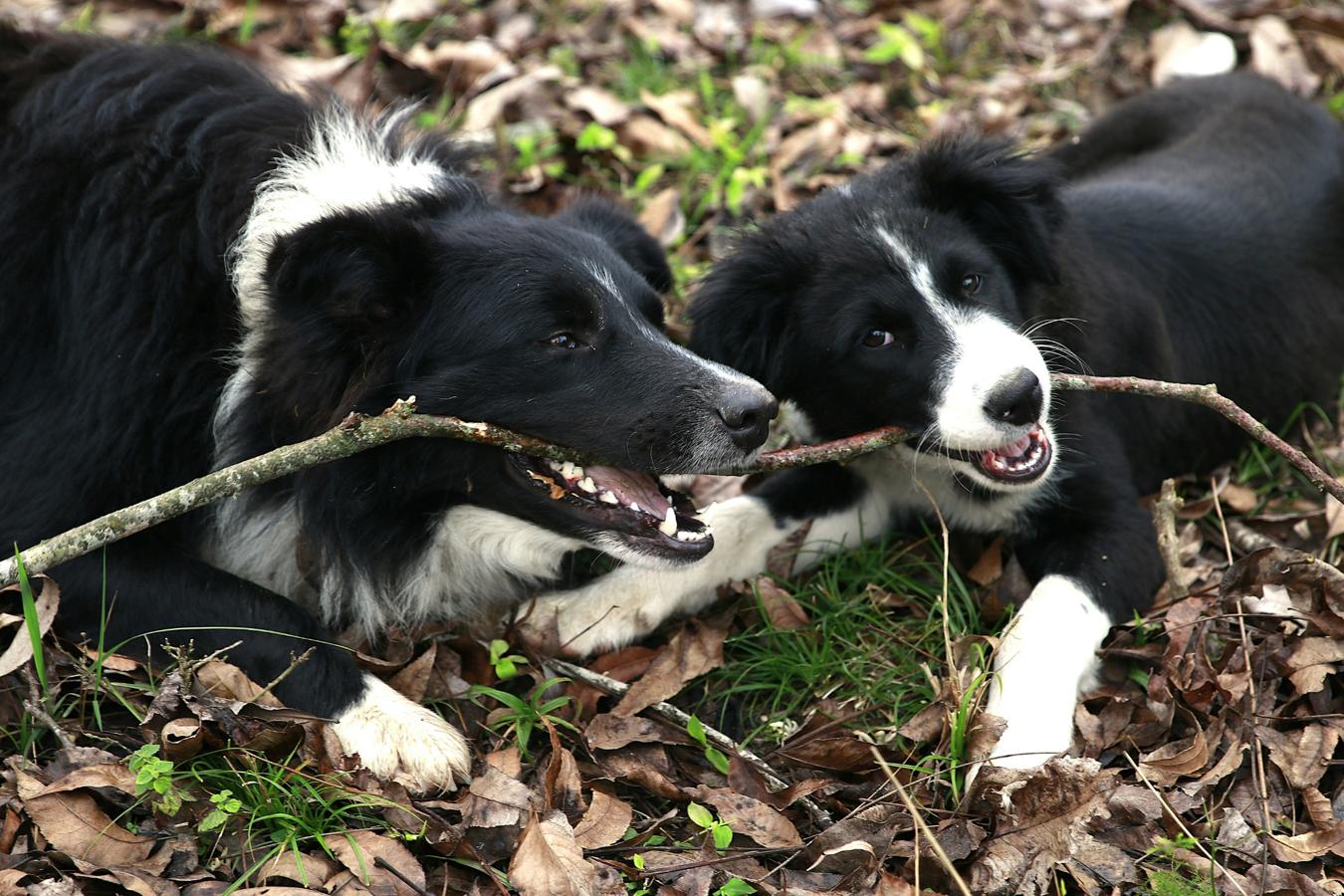
Whistles are more than just recall tools; in the hands of skilled trainers, they become a sophisticated language that enables clear, instant communication across long distances and challenging environments. For gundogs and working dogs, whistle commands are essential for precision, safety, and efficiency in the field. These cues cut through wind, crowd noise, and distractions in ways the human voice often cannot, ensuring a handler’s instructions are understood without hesitation. In this article, we will explore the advanced applications of whistle training, revealing how it supports the specialist roles and high standards required of these exceptional dogs.
The Role of Whistle Commands in Field and Work Environments
In working contexts, a whistle is far more than a convenience; it is a lifeline between handler and dog. For gundogs in the field, it ensures precise control without the need for shouting, which could startle game or break the focus of the dog. A single, sharp blast might bring the dog to an immediate stop, preventing them from flushing birds prematurely, while a sequence of short notes can direct them to change direction and sweep a new section of ground.
Shepherds and stock handlers also rely heavily on whistle language. The piercing clarity of a shepherd whistle can travel across hillsides, valleys, and noisy flocks, delivering nuanced signals that dogs interpret instinctively. Each pattern has a fixed meaning, allowing handlers to send their dogs hundreds of metres away while still maintaining complete control over their movements.
For search-and-rescue dogs, whistle signals can guide them through rubble or dense woodland where visibility is limited. In these high-stakes environments, a clear whistle command can mean the difference between a successful mission and lost time. The consistency and speed of whistle communication make it an indispensable tool for roles where timing and accuracy are critical.
Developing a Multi-Command Whistle Vocabulary
Advanced whistle work for gundogs and working dogs depends on building a clear, consistent vocabulary of signals. Unlike basic training, which might focus on a single recall tone, professional handlers often use a variety of patterns to issue different instructions.
For example, a long, single blast may be reserved for an immediate stop, while two short blasts signal a recall. Three evenly spaced notes could instruct the dog to turn left, while a series of rapid pips might send them to the right. Each whistle pattern must be distinct, easy for the dog to distinguish, and delivered with exactly the same rhythm every time.
Consistency across handlers is just as important. In teams where multiple people work with the same dogs, all handlers must use identical whistle cues and tones to avoid confusion. This ensures the dog can respond confidently no matter who is giving the command.
Training a multi-command whistle system takes time and precision. Handlers introduce one signal at a time, pairing it with a known behaviour before practising it in gradually more challenging settings. This step-by-step layering builds the dog’s understanding until they can respond to complex instructions instinctively, even at great distances or in highly distracting environments.
Training for Distance, Distraction, and Precision
Once a dog understands multiple whistle commands, the next stage is ensuring they can perform them flawlessly under real working conditions. Distance training begins in a controlled environment, with the handler gradually increasing the gap between themselves and the dog. This helps cement the association between whistle patterns and actions, regardless of proximity.
Distraction training is equally important. Gundogs may face flushing birds, sudden movement, or gunfire, while shepherd dogs work among unpredictable livestock. By introducing controlled distractions during training, such as moving targets, background noise, or other animals, handlers prepare the dog to respond instantly, no matter what is happening around them.
Precision comes from repetition and attention to detail. In gundog work, for example, a whistle stop must result in the dog freezing exactly where they are, not taking extra steps. In stock work, a “turn” command needs to be executed at the correct point in the paddock to direct sheep or cattle effectively. In search and rescue, a recall signal might need to bring the dog back through narrow, hazardous paths without hesitation.
By combining distance, distraction, and precision drills, handlers build a level of whistle responsiveness that allows the dog to function as an extension of their intent, a true working partnership in motion.
Integrating Whistle Commands with Other Cues
For many working and gundog handlers, whistles are part of a wider communication toolkit rather than the sole method of control. Visual cues, verbal commands, and even body positioning can be layered alongside whistle signals to create a richer, more adaptable system.
A common approach is to begin with a visual cue, such as a raised arm or hand signal, paired with the whistle. This is particularly useful when dogs are within sight but at a distance where the human voice would struggle to carry. Over time, the dog learns to respond to either cue independently, which gives the handler flexibility depending on the conditions.
In high-noise environments, such as near machinery, the whistle takes priority. In contrast, when working closely with the dog in calm surroundings, handlers may rely more on voice or gesture to avoid overusing whistle commands. The balance between cues depends on the dog’s role: a sheepdog on open hills might lean heavily on whistle control, while a gundog working alongside the handler might get a blend of whistle and verbal instructions.
The key is consistency. No matter the medium, whistle, voice, or signal, each command must mean exactly the same thing every time. This keeps the dog confident, responsive, and able to switch seamlessly between cues without hesitation.
Maintaining Skills Through Ongoing Practice
Whistle commands for working and gundogs require regular reinforcement to remain sharp. Even highly trained dogs can lose accuracy if their skills are not practised consistently, so handlers build whistle drills into everyday work and off-duty sessions alike.
One effective method is to weave commands into routine tasks. A shepherd might use the “stop” signal during a casual walk across the pasture, while a gundog handler might practise a recall whistle when the dog is retrieving a dummy. These moments keep commands second nature without the need for dedicated long training blocks.
Seasonal work patterns can also influence skill retention. For example, gundogs may be less active outside of shooting season, so handlers maintain whistle training through simulated retrieves or directional work in open fields. This prevents skill fade and keeps the dog mentally stimulated.
Refreshers are also valuable when introducing new environments. Whistle signals should be reinforced in different terrains, weather conditions, and noise levels to ensure the dog’s responsiveness is universal, not just tied to a familiar setting. By keeping the practice dynamic and consistent, handlers ensure their dogs remain reliable partners year-round.
Elevating Working Partnerships Through Whistle Mastery
For gundogs and working dogs, whistle commands go far beyond simple obedience — they form the backbone of a precise, silent, and efficient communication system. By developing a clear vocabulary of signals, refining responsiveness under distance and distraction, and integrating whistles with other cues, handlers unlock the full potential of their canine partners.
When used consistently, whistles not only enhance performance in the field but also deepen the trust between dog and handler. Each command becomes a shared language, enabling both to work as a cohesive team in even the most demanding environments. Whether guiding a dog through a complex search pattern or directing them across open farmland, whistle mastery transforms good working dogs into exceptional ones — ready for any challenge their role demands.