We use cookies to make your experience better. To comply with the new e-Privacy directive, we need to ask for your consent to set the cookies. Learn more.

How to Reinforce Whistle Commands Without Relying on Treats
- August 08, 2025
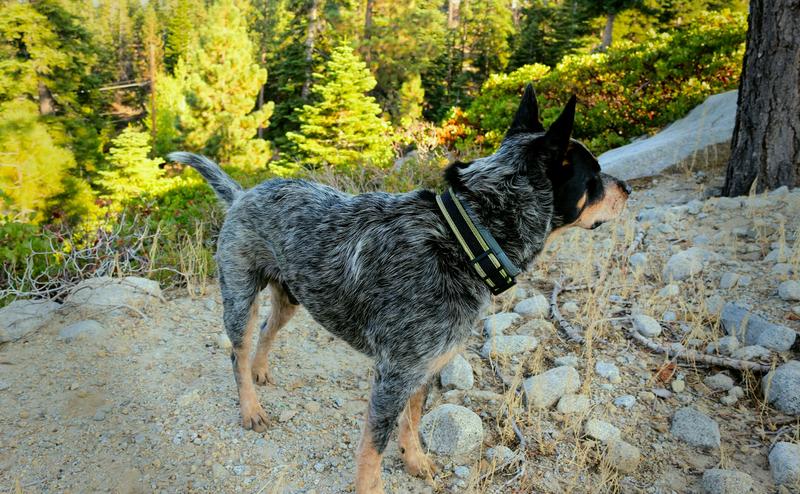
Food rewards can be an effective starting point for whistle training, but they are not the only way to motivate a dog. In fact, relying too heavily on treats can cause issues over time, such as a dog only responding when food is visible or becoming distracted if snacks are not available. The good news is that there are many other methods to reinforce whistle commands, especially for dogs that thrive on variety and interaction. This article explores how to maintain responsiveness and enthusiasm for whistle cues using alternative rewards that build lasting, reliable behaviour.
Understanding Motivation Beyond Food
Every dog has unique preferences, and while treats are a common motivator, they are far from the only one. Many dogs respond just as strongly, or more so, to rewards such as praise, play, or access to a favourite activity. Identifying what excites your dog is the first step in creating a reinforcement system that works without food.
Some dogs find verbal praise highly rewarding, especially if delivered enthusiastically and paired with gentle physical contact like a pat on the shoulder. Others are more motivated by interactive play, such as a short game of fetch, a tug toy, or the chance to chase a ball. Working dogs may be especially driven by the opportunity to continue their task, for example, allowing a gundog to resume a retrieve after correctly responding to a whistle stop.
The key is to observe your dog’s natural responses in different situations. Does their tail wag faster when you speak to them warmly? Do they perk up at the sight of a toy? Are they keen to get back to work when given the chance? By pinpointing these preferences, you can swap treats for rewards that fit seamlessly into training and everyday life.
Building a Reward System Around Praise and Interaction
Once you know what drives your dog, you can design a reinforcement strategy that builds on those motivators. For many dogs, verbal praise combined with a happy tone and eye contact can be just as satisfying as a food treat. Timing is important; deliver praise the instant your dog responds correctly to a whistle command, so they clearly connect the behaviour with the reward.
Interactive play is another powerful alternative. A quick throw of a favourite ball, a short tug game, or a chance to chase a toy on a rope can make whistle training dynamic and fun. These rewards also encourage movement and engagement, which can be particularly beneficial for high-energy breeds.
For working dogs, the reward can be permission to carry on with the task they enjoy. For instance, if a sheepdog stops on the whistle, allowing them to immediately resume herding acts as a natural incentive. In this way, the training becomes embedded in the work itself rather than feeling like a separate exercise.
The goal is to ensure that the reinforcement is meaningful, immediate, and directly tied to the desired behaviour. This keeps the dog eager to respond, even when there is no food in sight.
Incorporating Environmental and Life Rewards
Beyond praise and play, your dog’s surroundings can offer powerful reinforcement opportunities. Environmental rewards are those that give your dog access to something they naturally enjoy in their daily life. By linking these to whistle commands, you can create strong, lasting associations without a single treat.
For example, if your dog loves exploring off-lead, you might use a whistle recall before unclipping the lead on a walk. Responding promptly earns them the freedom to roam, which is often a more valuable reward than food. Similarly, a working dog that enjoys swimming could be allowed into the water after correctly responding to a stop or turn whistle.
Life rewards can also be integrated into home routines. Calling your dog with a whistle before opening the back door, starting a car journey, or beginning a favourite game embeds the cue in enjoyable, everyday activities. Over time, the dog learns that listening to the whistle leads to good things naturally built into their day.
These methods not only strengthen reliability but also make whistle training practical and sustainable in the long term, as you are using rewards that are always available, no matter where you are.
Using Variable Reinforcement to Maintain Responsiveness
Once your dog reliably responds to whistle commands, you can maintain enthusiasm without offering a reward every single time. This is where variable reinforcement comes in, a method where the reward is given unpredictably rather than on a fixed schedule.
The idea is to keep the dog guessing. Sometimes they receive immediate praise or a game, other times the reward might come after two or three correct responses. This unpredictability often increases motivation, as the dog stays alert in anticipation of the next positive outcome. It’s similar to how games of chance keep people engaged; the “next one” could be the big win.
To use this approach effectively, ensure that every correct response is acknowledged, even if it’s just with a warm “good dog” or a quick pat. The key is never to ignore the behaviour, only to vary the intensity of the reward. Over time, the dog learns that responding to your dog whistle is always worthwhile, even if the reinforcement is not always at its highest level.
Variable reinforcement not only sustains motivation but also reduces dependency on a single type of reward, creating a more adaptable and reliable response in different situations.
Avoiding Common Pitfalls When Phasing Out Treats
Transitioning away from food rewards can be smooth if handled carefully, but certain mistakes can set back your progress. One common pitfall is removing treats too suddenly. If a dog has been conditioned to expect food every time, eliminating it overnight can cause confusion or reduce motivation. A gradual shift to other reinforcements ensures the dog continues to respond eagerly.
Another risk is letting reinforcement become inconsistent in meaning. For example, if you sometimes praise enthusiastically for a correct whistle recall and other times barely acknowledge it, the dog may not understand which behaviours are truly valued. Consistency in the timing and positivity of reinforcement is essential, even when you are varying the type of reward.
It’s also important not to fall into the trap of replacing treats with a single alternative and using that exclusively. Swapping food for the same toy every time can lead to the same dependency problem you were trying to avoid. Instead, rotate between praise, toys, play, and environmental rewards to keep training fresh and engaging.
By avoiding these pitfalls, you ensure that your dog’s whistle response remains strong, adaptable, and enjoyable for the long term.
Creating Lasting Whistle Responses Without Food Dependence
Reinforcing whistle commands without relying on treats is entirely achievable and can lead to a stronger, more versatile training outcome. By tapping into your dog’s natural motivators, whether that’s praise, play, environmental access, or the satisfaction of completing a task, you can build a reward system that works anywhere, at any time.
Mixing these alternatives with thoughtful use of variable reinforcement keeps responses sharp while preventing dependency on any single reward. The end result is a dog that listens to the whistle because it has become an ingrained, positive habit, not because a snack is on offer.
With patience, consistency, and creativity, you can maintain reliable whistle communication that fits seamlessly into both everyday life and specialist work, ensuring your dog remains motivated, engaged, and eager to respond in any situation.