We use cookies to make your experience better. To comply with the new e-Privacy directive, we need to ask for your consent to set the cookies. Learn more.

How to Set Your Puppy Up for Success in Gundog Training
- September 05, 2025
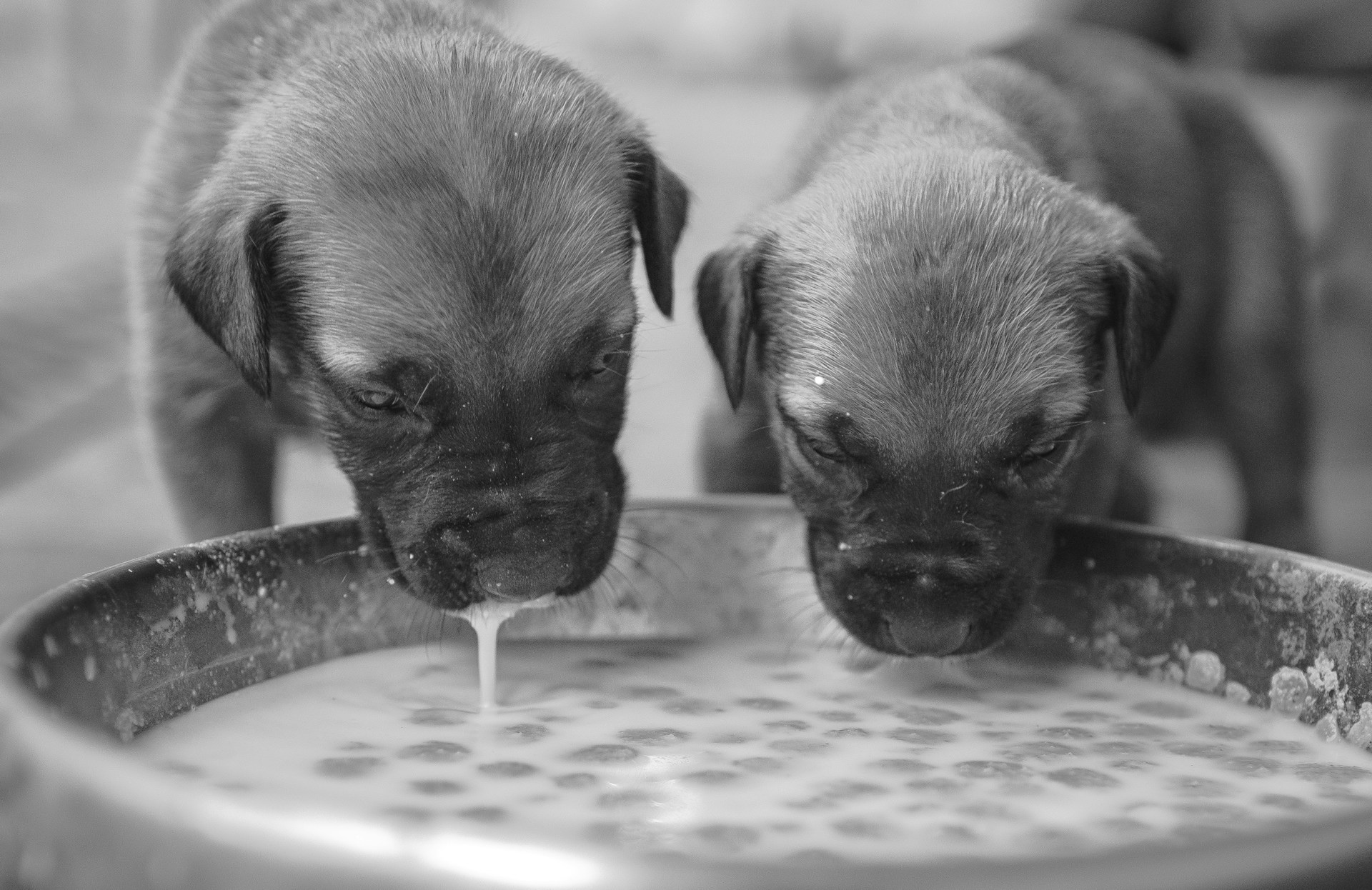
The foundations of a dependable gundog are laid long before formal training begins. A puppy’s early weeks shape its confidence, habits, and relationship with its handler, all of which influence how smoothly training progresses later. Success is not about pushing a young dog into advanced drills too soon, but about giving it the right start through thoughtful preparation and gentle guidance.
From the environment you create at home to the way you introduce simple boundaries, every choice plays a role in building your puppy’s readiness. By focusing on early experiences rather than quick results, you set the stage for a dog that is eager to learn, steady in temperament, and prepared for the challenges of gundog work.
This article explores the key ways to give your puppy the best start, ensuring its journey into training is built on confidence and trust.
Creating a Supportive Home Environment
A puppy’s earliest lessons begin at home, long before it steps into a training field. The environment you provide shapes how quickly it adapts to new situations and how comfortable it feels working alongside you. A calm, structured household helps a puppy develop security, while chaos or inconsistency can lead to nervousness or unwanted behaviours.
Start by establishing predictable routines for feeding, rest, and short play sessions. Puppies thrive when they know what to expect, and these routines help reduce anxiety while building trust in their handler. Provide a safe, quiet space where the puppy can retreat undisturbed, encouraging rest and resilience.
Introducing gentle boundaries early on—such as waiting calmly before being let outside—teaches your puppy that calm behaviour is rewarded. These small practices are not formal training, but they prepare the puppy for the discipline and steadiness required later. By nurturing structure and security from the outset, you give your puppy the best possible foundation for success.
Encouraging Positive Early Socialisation
The way a puppy experiences the world in its first months has a lasting effect on its behaviour as an adult gundog. Puppies that are carefully introduced to new people, places, and sounds grow into more confident and adaptable dogs, while those shielded too heavily or overwhelmed too quickly may struggle with fear or distraction later.
Positive socialisation should be gradual and controlled. Expose your puppy to different environments, such as quiet lanes, open fields, and busy village paths, while keeping the sessions short and calm. Introduce them to a variety of people in gentle interactions, ensuring each meeting reinforces trust rather than anxiety.
Sound exposure is equally important. Everyday noises like doors closing, cars passing, or children playing should be part of their early experiences. Later, this confidence makes it easier to introduce gundog-specific sounds, such as whistles for dogs or, when the time is right, gunfire.
By framing new encounters as safe and rewarding, you create a puppy that is curious rather than cautious—an invaluable trait for future training.
Introducing Gentle Boundaries and Manners
Even before structured training begins, puppies can start learning the basics of good behaviour. Establishing gentle boundaries early prevents unwanted habits from developing and teaches the puppy that calm, polite actions lead to positive outcomes.
Simple exercises, such as waiting before being fed or sitting calmly before being let out of a door, help introduce the idea of patience. These lessons are short and pressure-free, but they set the groundwork for steadiness and control. Similarly, discouraging behaviours like jumping up or mouthing ensure they do not become ingrained as the puppy grows stronger and more excitable.
Consistency is vital. Every member of the household should reinforce the same boundaries so the puppy never receives mixed signals. Over time, these early manners become instinctive, making formal gundog training far easier and more effective.
By gently guiding behaviour from the start, you encourage respect and cooperation—two qualities that are central to building a reliable working partnership.
Building Confidence Through Play and Exploration
Play is more than just fun for a puppy; it’s a powerful way to develop confidence, coordination, and trust in its handler. Games like gentle tug or short chases with soft toys encourage interaction while strengthening the bond between you and your dog. These early activities also teach the puppy that working with you is rewarding, laying the groundwork for future retrieves.
Exploration is equally valuable. Allowing your puppy to investigate different terrains—such as grass, gravel, or shallow water—helps them become adaptable and resilient. The goal is not to test obedience at this stage but to nurture curiosity and comfort in varied environments.
Encouraging safe, structured play and exploration builds a puppy that is bold rather than hesitant. This natural confidence will serve them well when faced with new training challenges, ensuring they step into the field with enthusiasm and self-assurance.
Introducing Early Recall and Attention Exercises
While formal obedience comes later, puppies can benefit from simple games that encourage them to pay attention and return to you. Early recall exercises, introduced as play rather than discipline, make the idea of coming back enjoyable and rewarding.
Start in a safe, enclosed space. Call your puppy in a cheerful tone, crouch down to make yourself inviting, and offer praise or a small treat when they come. Keep these sessions brief and positive, always finishing before the puppy loses interest. This way, recall becomes something they look forward to rather than avoid.
Equally important is teaching the puppy to check in with you naturally. Reward eye contact or moments when the puppy pauses to pay attention. These small reinforcements encourage focus, which will later be essential for whistle work and handling commands.
By laying down these simple recall and attention games, you ensure your puppy grows up seeing you as the centre of guidance and reward—an essential step for future gundog training success.
Giving Your Puppy the Best Start
Setting your puppy up for gundog training success is less about drills and more about creating the right environment, habits, and experiences. A calm home, steady routines, positive socialisation, early boundaries, playful confidence-building, and simple attention exercises all come together to form the framework for future learning.
By focusing on these gentle beginnings, you prevent bad habits from taking root and ensure your puppy approaches formal training with eagerness and trust. The result is a young dog that is well-prepared for the structure and challenges of gundog work.
Every step you take in these early months is an investment in the future. With patience and consistency, you are not just raising a puppy—you are nurturing a confident partner ready to thrive in training and in the field.