We use cookies to make your experience better. To comply with the new e-Privacy directive, we need to ask for your consent to set the cookies. Learn more.

The Essential Foundation Behaviours Every Gundog Needs for Success
- August 08, 2025
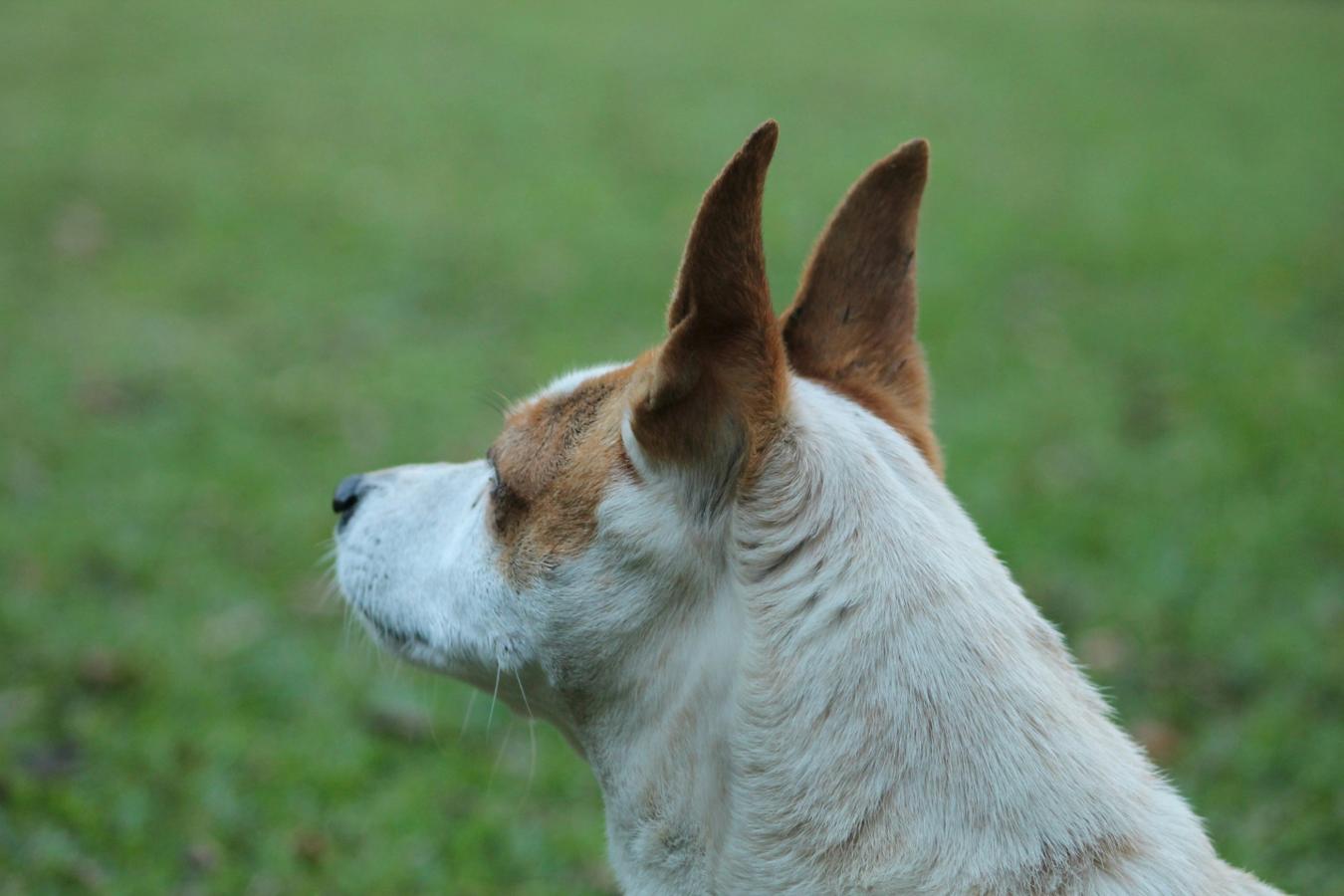
A gundog’s performance in the field is built on a set of core behaviours that underpin everything they do. Without these, advanced training can falter, no matter how skilled the handler or enthusiastic the dog. Foundation behaviours are not glamorous, but they are the glue that holds a working partnership together, ensuring safety, precision, and reliability in every scenario. This article explores the must-have skills that give gundogs the best possible start, and form the bedrock for more specialised commands later on.
Sit and Stay: The Cornerstones of Control
The ability to sit and remain in place on command is one of the most valuable behaviours a gundog can master. In the field, this control prevents premature movement that could disturb game or disrupt other dogs at work. A solid sit-and-stay also creates a pause point, giving the handler time to assess a situation before issuing further instructions.
Training begins in a quiet setting, gradually building the duration and distance. For example, a dog might first be asked to sit for just a few seconds, with the handler nearby, before extending the time and stepping further away. The whistle stop command often becomes part of this behaviour in working contexts, allowing instant control at a distance.
In practice, a reliable sit-and-stay ensures that the dog can be positioned exactly where they are needed, whether at the start of a drive, while other dogs are retrieving, or during moments of high excitement. This self-control sets the tone for all future training, establishing the handler as the decision-maker and reinforcing the discipline required for complex tasks.
Recall: The Lifeline of Safety and Teamwork
A dependable recall is arguably the most critical skill for any gundog, acting as both a safety measure and a tool for efficient teamwork. In the field, a clear recall command, often delivered via whistle, ensures the dog can be brought back instantly, whether they are ranging too far, approaching unsafe terrain, or simply needed for a new task.
Building a strong recall begins with creating a positive association. Each time the dog returns promptly, they should receive immediate, meaningful reinforcement, whether that’s praise, play, or the opportunity to continue working. Early training is typically done in low-distraction environments before gradually increasing distance and complexity.
For gundogs, recall also plays a role in maintaining harmony with other working dogs. A handler may need to call one dog back to avoid interference while another completes a retrieve. Without this skill, control in multi-dog or high-pressure situations becomes far more difficult.
A whistle recall’s advantage lies in its clarity and reach; it cuts through wind, gunfire, and background noise, giving the dog a consistent, unmistakable signal to return, no matter the conditions.
Heelwork: Maintaining Steady Position and Focus
Walking to heel is not just about neatness; it is a discipline that keeps the gundog calm, safe, and attentive in both training and working environments. A steady heel prevents the dog from rushing ahead into danger, flushing game prematurely, or becoming distracted by other dogs and environmental stimuli.
Training for heelwork begins with short, controlled walks on a lead, rewarding the dog for staying level with the handler’s leg. Gradually, the distance and duration are increased, moving towards reliable off-lead heelwork in a variety of settings. Incorporating a dog training whistle or verbal cues ensures the dog understands exactly when they should be in position and when they are released to range ahead.
For gundogs, heelwork is essential during transitions, moving between drives, approaching a shooting line, or waiting for instructions. It keeps the dog mentally connected to the handler, making it easier to deliver precise commands at the right moment.
Well-drilled heelwork also sets the tone for the rest of the day. A calm, attentive start can carry over into better focus and steadiness throughout the dog’s working session.
Steadiness: Resisting the Urge to Act Without Command
Steadiness is the ability of a gundog to remain calm and stationary, even when faced with highly stimulating situations such as birds flushing, gunfire, or other dogs working nearby. This self-control is vital for safety and for ensuring the dog only acts when it is appropriate and instructed.
Training steadiness starts with controlled scenarios, such as tossing a dummy while the dog is sitting. At first, the handler may need to use a lead or physical positioning to prevent the dog from chasing. Over time, the dog learns that patience leads to a reward, either being sent for the retrieve or receiving praise for holding position.
In the field, steadiness prevents chaos. A dog that rushes in without command can disturb the work of others, scare game away, or even put itself in danger. For example, in driven shooting, a steady dog will wait until the drive is over and the handler gives a clear signal before moving.
Achieving true steadiness takes repetition, consistent boundaries, and trust between dog and handler. The payoff is a dog that works with precision and composure, regardless of the excitement around them.
Marking: Developing Accurate Memory and Focus
Marking is the skill of visually tracking the fall of game or a dummy and remembering its location until sent to retrieve it. This ability is crucial for efficiency in the field, as it reduces the time spent searching and ensures clean, direct retrieves.
Gundog training begins with simple, visible throws on open ground. The dog is encouraged to watch the object in flight, and the handler uses a release command once they are confident the dog has fixed the location in mind. Gradually, the exercises become more challenging, increasing distance, adding partial cover, or introducing multiple marks.
For a working gundog, marking is not just about eyesight; it’s about mental focus. The dog must store the memory of the fall while ignoring distractions and other moving elements in the scene. In complex situations, such as a busy drive, accurate marking can mean retrieving quickly and returning to readiness for the next task without delay.
A well-developed marking ability also allows the handler to direct the dog more precisely with whistle and hand signals, as the dog already has a clear reference point in its mind.
Laying the Groundwork for a Skilled Gundog
The most accomplished gundogs are not defined by flashy retrieves or complex directional work alone; they are built on a foundation of dependable, well-rehearsed core behaviours. Sit and stay, recall, heelwork, steadiness, and marking each play a vital role in creating a dog that is safe, effective, and a pleasure to handle in the field.
By investing time in these fundamentals, handlers set their dogs up for success in every future stage of training. These skills ensure the dog understands its role, responds consistently, and can adapt to the demands of different shooting and working environments.
Mastering foundation behaviours is not a quick process, but the payoff is lasting: a partnership based on trust, precision, and shared purpose. With this groundwork in place, a gundog is ready to excel in whatever challenges lie ahead.