We use cookies to make your experience better. To comply with the new e-Privacy directive, we need to ask for your consent to set the cookies. Learn more.

How to Build Strong Foundations in Gundog Training: Step-by-Step Guide
- September 05, 2025
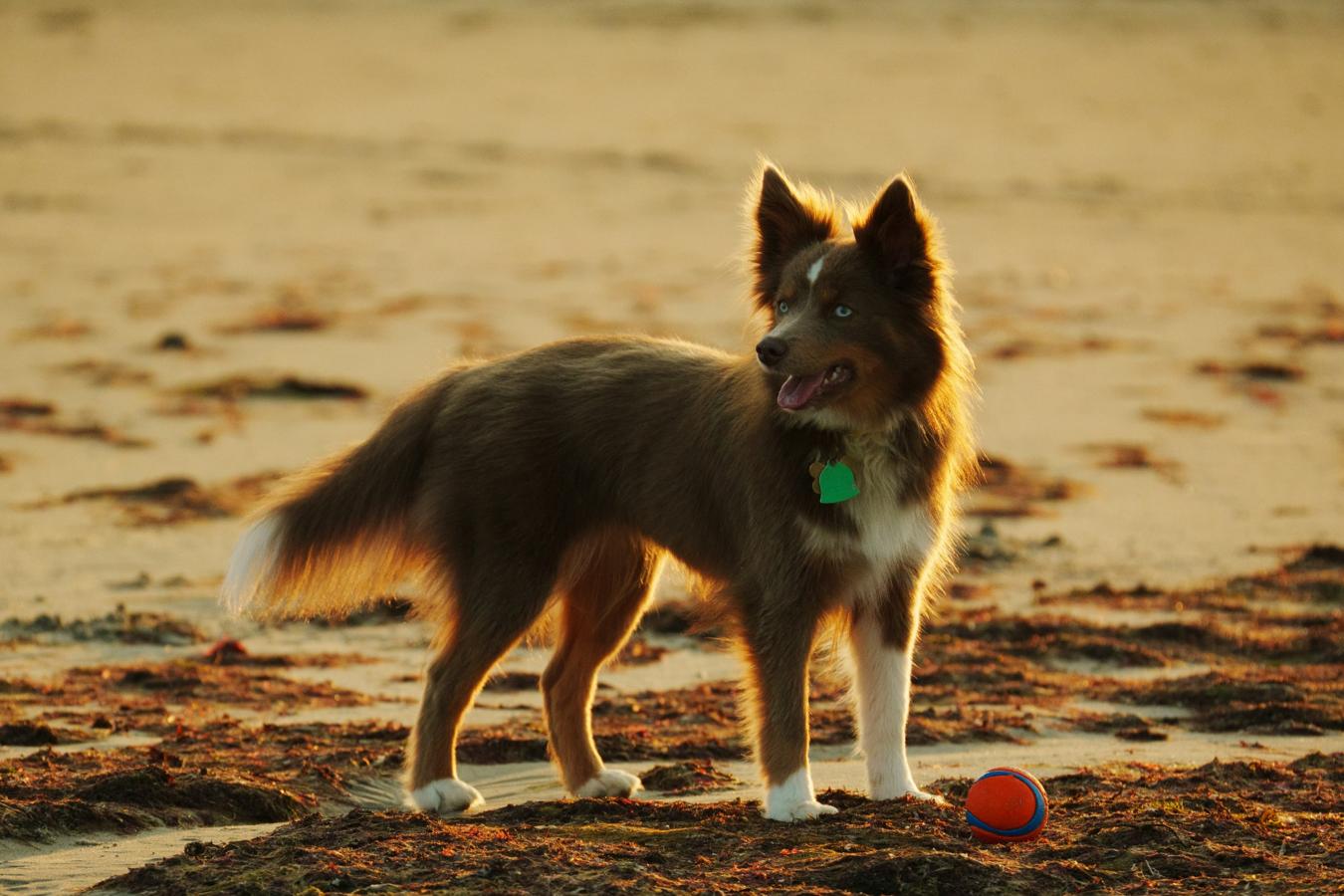
Every successful gundog begins with a carefully laid foundation. Just like constructing a sturdy building, training a gundog requires patience, precision, and a logical sequence of steps that support one another. Without this groundwork, later training can collapse under pressure, leaving both handler and dog frustrated. This guide will walk through a clear, step-by-step path for developing those foundations, ensuring your dog grows into a reliable partner in the field.
Rather than jumping straight to advanced retrieves or complex hunting scenarios, the emphasis here is on building a sequence of training milestones. By progressing steadily, you not only avoid confusion but also instil confidence in your dog, creating a strong bond and a dependable working relationship.
Establishing a Routine and Training Environment
The first step in building solid foundations is creating consistency in your gundog’s daily life. A predictable routine helps your puppy or young dog understand what to expect, reducing stress and making training sessions more productive. This doesn’t mean every day should be identical, but there should be regular times for feeding, exercise, rest, and structured training.
Alongside routine, the environment in which you train plays a crucial role. Start in a quiet, distraction-free area such as a garden or small field. Here, your dog can focus on you without the pressure of wildlife or competing noises. Over time, as behaviours become more reliable, gradually introduce controlled distractions to simulate real working conditions.
By anchoring your training in a stable routine and suitable environment, you’re providing the foundation upon which all further gundog skills can be layered.
Teaching Focus and Engagement from the Start
Before any technical skill can be taught, your gundog needs to learn that paying attention to you is rewarding. Without engagement, even the simplest command can be lost in distraction. Begin by encouraging eye contact and responsiveness to your presence. This can be as simple as rewarding your dog when they look at you, or using a light cue such as a whistle to signal attention, followed by praise.
As engagement grows, introduce short sessions of heelwork on the lead. These early walks are not about covering distance but about teaching your dog to move with you, to stop when you stop, and to stay tuned in. The goal is to show your dog that the most rewarding place to be is by your side, ready to listen.
Building focus early prevents the common mistake of a dog being more interested in its surroundings than its handler. With strong engagement in place, your future training commands will land with far greater clarity and reliability.
Introducing Core Obedience Commands
Once your gundog is engaged and responsive, it’s time to introduce the foundation commands that underpin future training. These should be kept simple and consistent, using clear signals and calm repetition. The three essentials at this stage are:
- Sit – Establishes steadiness and patience. Sitting on command teaches your dog to wait calmly, preventing premature movement during retrieves or hunting.
- Stay – Builds self-control. Asking your dog to remain in position until released ensures safety and discipline in field conditions.
- Recall – Strengthens trust. A reliable return to you is vital for maintaining control, whether your dog is working close or at a distance.
Each command should be practised in short, positive sessions with immediate rewards when performed correctly, and using a gun dog whistle can make signals sharper and easier for your dog to understand. By mastering these basics, your gundog develops the discipline and clarity needed for more advanced skills, such as directional work and retrieves.
These core obedience commands act like the grammar of a language: once understood, they allow the handler and dog to communicate fluently in every training scenario that follows.
Developing Steadiness and Patience
With obedience commands in place, the next step is to nurture steadiness. A gundog that rushes ahead, breaks too early, or fidgets while waiting will struggle to perform in the field. Patience must be taught gradually, starting with very short waiting periods and building up to longer durations.
A practical way to instil steadiness is to ask your dog to sit while you place a dummy on the ground. At first, allow only a brief pause before sending them to collect it. Over time, increase the delay, adding in small distractions such as walking a few steps away or introducing another person to move nearby. The key is ensuring your dog remains calm and steady, releasing only when given a clear signal.
Patience is also reinforced outside of training. Asking your gundog to wait before mealtimes, or before stepping through a door, creates everyday opportunities to practise calm control. These small exercises contribute to the reliability required during the excitement of real working situations.
Building Confidence with Simple Retrieves
Retrieving is central to gundog work, but it must begin in a way that feels achievable and enjoyable. Start with short, uncomplicated retrieves in a familiar environment. Use a lightweight dummy and place it only a few feet away, encouraging your dog to collect and bring it back without pressure.
The aim at this stage is not distance or speed but building a positive association with the act of retrieving. Keep sessions short and finish on success, even if that means ending after just one or two attempts. If your dog shows hesitation, reduce the challenge by making the dummy more visible or shortening the distance.
Gradually extend the retrieves as your dog’s confidence grows, always reinforcing the importance of returning directly to you. This not only strengthens the bond but also creates the trust needed for more advanced retrieving exercises later on. By treating retrieves as a game rather than a test, you establish enthusiasm that will carry through to formal training in the field.
Gradually Introducing Controlled Distractions
Once your gundog shows consistency in obedience, steadiness, and simple retrieves, the next step is to test these skills against mild distractions. This stage bridges the gap between a quiet training space and the unpredictability of the working field.
Begin with manageable challenges, such as another person walking at a distance, a second dummy placed nearby, or light background noise. The goal is to ensure your dog maintains focus and follows commands despite these interruptions. If mistakes happen, reduce the distraction level and build back up slowly.
As reliability grows, you can progress to more realistic scenarios, like training in a field with moving wildlife or practising alongside another dog. Each added layer of difficulty should be introduced carefully, so your dog always experiences success rather than frustration.
By methodically incorporating distractions, you help your gundog develop the mental discipline needed to remain calm and obedient in the excitement of actual working conditions.
Laying the Groundwork for Future Success
Strong foundations are the hallmark of every dependable gundog. By establishing a steady routine, building engagement, introducing core commands, and carefully layering in steadiness, retrieves, and distractions, you create a structure that supports all future dog training. Each step reinforces the last, ensuring your dog develops confidence, patience, and reliability.
The early weeks and months set the tone for everything that follows. Investing time and consistency at this stage prevents problems later, saving both you and your dog from unnecessary setbacks. More importantly, it lays the groundwork for a rewarding partnership built on trust and clear communication.