We use cookies to make your experience better. To comply with the new e-Privacy directive, we need to ask for your consent to set the cookies. Learn more.

How to Train a Reliable Long Range Recall for Fieldwork
- October 24, 2025
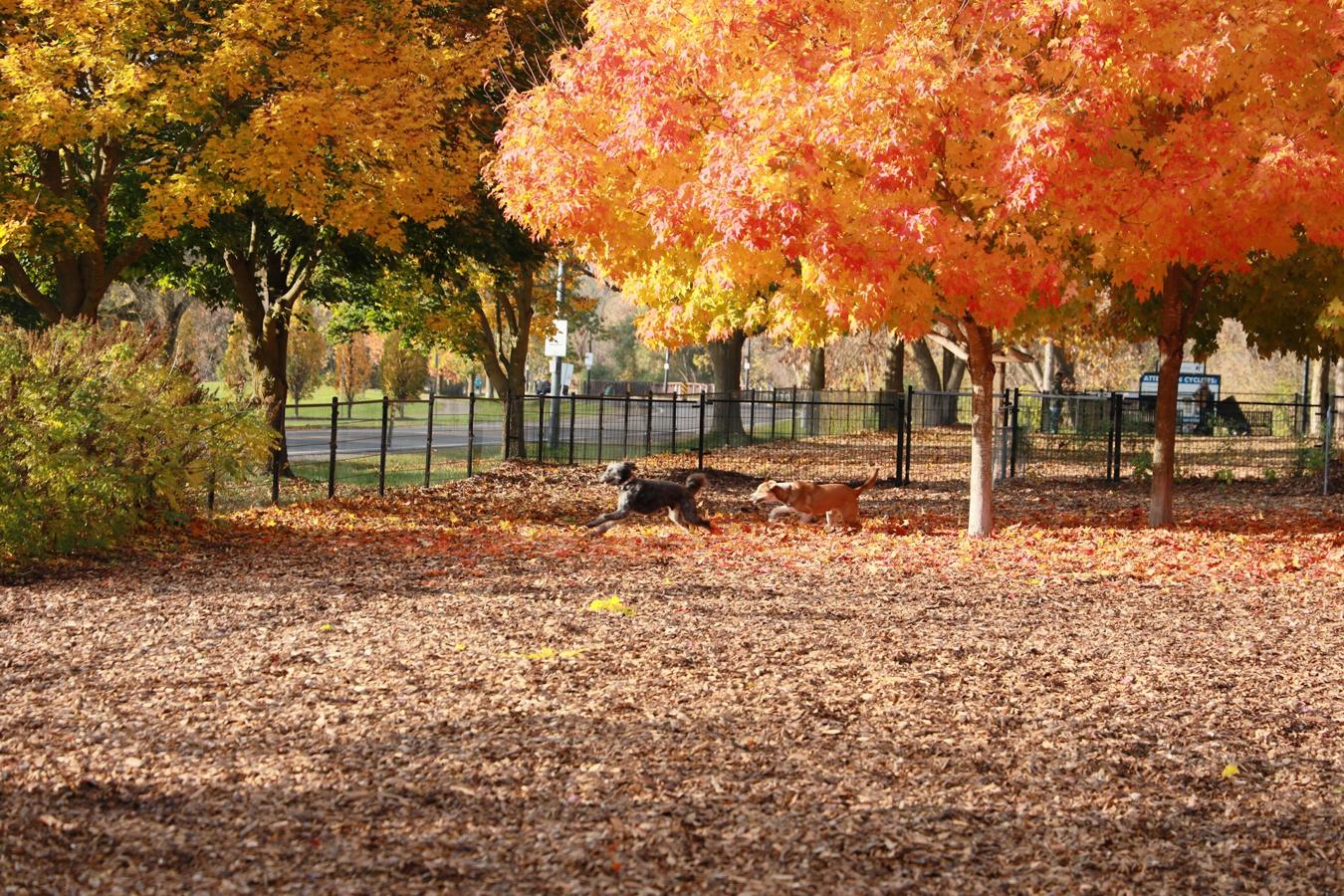
A rock solid long range recall is the difference between confident fieldwork and anxious guesswork. When your gundog is working over distance through wind, cover and uneven ground, the recall cue must cut through competing scents and sound and still land with immediate meaning. This article sets out a practical dog training pathway that builds trust at distance so your dog returns first time without hesitation.
We will work from a clean short range response and scale it in measured steps to the distances you actually need in the field. You will shape a whistle signature that carries well and remains distinct from other signals, without changing its core pattern. You will also learn how terrain, wind and handler position can help or hinder response times and how to plan sessions that account for those factors rather than fight them.
Throughout, methods are anchored to real field scenarios such as crossing a ride, recalling off a line of tempting scent, or turning the dog when they crest a hill and drop from view. The aim is a dependable cue that works when it truly counts. The guidance reflects Laura Hill’s approach to distance reliability and pairs well with her long range recall video if you use this alongside your practice. Where helpful, we point to kit that supports clarity and consistency, including ACME dog whistles for recall, so the cue you teach at ten yards is exactly the cue your dog hears at one hundred.
Why long range recall is different in the field
Fieldwork alters how a recall is perceived and how quickly it is actioned. Sound behaves differently over grass, woodland and hill ground. Scent lanes draw the dog forward and hold attention. Sight lines are broken by cover and contours, which can mask hand signals and reduce the visual pull of the handler. A long range recall must therefore be taught with these factors in mind rather than added as an afterthought to a garden routine.
Distance also magnifies tiny weaknesses. A half second delay at ten yards is annoying. The same delay at one hundred yards allows a dog to travel much further, which can put them beyond safe control. Your training needs measurable response targets, clear progression steps and consistent conditions so the behaviour remains dependable when range increases.
Selecting a whistle pattern that carries at distance
Choose a whistle that produces a clear, pure tone with minimal effort. The pattern for recall should be short, distinct and repeatable. The key is consistency of sound and duration. A cue that is identical every time will cut through ambient noise and keep meaning intact as distance grows. Avoid adding extra peeps once you have chosen a pattern. New notes can blur the message and slow the response.
Test carry in the actual ground you plan to use. Stand at set intervals and listen to how the cue projects. Check upwind, downwind and across a cross breeze. Confirm that the first note is audible since it often drives the initial orienting response. Once selected, standardise your breath pressure so the cue at close range matches the cue at range.
Conditioning the cue at short range
Before you chase distance, make the recall cue unambiguous at short range. Start in a simple area with level footing and minimal environmental pull. Use a long line only if you need a safety backstop, not as the primary driver of behaviour. The goal is a crisp turn and direct travel to the handler on the first cue. Reinforce at your feet with calm delivery, then quietly reset.
Mark three elements on every repetition. Does the dog orient immediately on the first note. Do they commit to a straight line travel without scanning. Do they arrive with pace. If any element softens, reduce criteria and refresh the foundation so you do not scale distance on a shaky base.
Scaling to distance with planned range extensions
Extend range in measured increments rather than big jumps. Work to distance bands that allow the dog to succeed while feeling a meaningful change in challenge.
Using range markers and landmarks
Lay out visual markers that anchor your progress. Fence posts, ride junctions, or natural features make reliable checkpoints. Place yourself so the dog travels across these markers. Record the farthest successful distance in each session and do not exceed it in the next session until you have two clean repeats at that distance.
Managing wind and cover
Wind can either carry your cue or strip it. Run the same distance band upwind, downwind and across wind on separate repetitions. Dense cover absorbs sound and slows travel. Pair new cover conditions with a shorter distance so you change only one difficulty at a time. If you add both cover and wind change, you cannot isolate which factor reduced performance.
Preserving line of sight where possible
Early in range building, try to keep partial sight of the dog during the turn phase. A brief glimpse confirms commitment and lets you reinforce quickly on arrival. When the ground forces a blind crest, give the cue just before the horizon so the first note hits before the dog drops from view. This timing keeps meaning fresh while the dog is out of sight.
Session blueprints for common field types
Tailor your pattern to the ground to avoid unnecessary setbacks and to build distance that translates directly to work days.
Open pasture
Use straight out and back lines between fixed markers such as gates or isolated trees. Increase range in ten to fifteen yard steps. If livestock are present, work a safe buffer and keep to calm times of day.
Woodland rides
Work along a straight ride that offers predictable footing. Trees will alter acoustics, so reduce distance increments to maintain clarity. Use a bright marker at your feet for the arrival target so the dog learns to finish in a precise spot despite visual clutter.
Hill ground
Plan repetitions across the slope rather than directly up or down during the early phase. Sound carries differently over convex and concave contours. Introduce crest points late, and only after the cue is consistently heard at the same yardage on level ground.
Safety protocols during range building
Distance adds risk. Build guardrails into your routine so confidence never outruns control.
Keep a discreet long line available when working near boundaries or new stock. Use it as a quiet safety net rather than an active steering aid. Choose fields with secure fencing when exploring new distance bands. Set a maximum yardage for any single session and stop there even if things feel easy. End with two successful shorter recalls so the last memory is effortless and fast. Carry water and check paws after sessions on rough cover since soreness can slow response on the next outing.
Measuring progress and readiness thresholds
Objective measures prevent wishful thinking and keep standards consistent across different grounds.
Track three numbers for each repetition. The distance when the cue was given, the latency from cue to turn, and the time from turn to arrival. Aim for stable latency across distance bands. If latency creeps up as distance grows, you moved too quickly. Set readiness thresholds such as two consecutive sessions with five clean first cue recalls at the current distance band before moving on. If a session produces two slow responses in a row, step back one band on the next outing.
Equipment that supports distance reliability
Choose a whistle with proven projection and a comfortable mouth feel so your cue remains identical under mild fatigue. Pair it with a simple, tangle free lanyard that positions the mouthpiece consistently for repeatable breath pressure. Keep a quiet slip lead for resets and a low profile treat pouch for swift reinforcement at your feet. Standardise everything that touches the cue so the experience remains stable across locations. If you maintain a training kit list for ordering, label your internal link as dog whistles for recall to help readers and teams find the exact items used in this protocol.
A four week field focused plan
Use this template to structure your first month of distance work. Adjust distances to your dog and ground, while keeping the single change rule so sessions remain clean and progressive.
Week one, short range conditioning in a simple paddock. Work three sessions of eight to ten recalls. Stop after the first slow response and finish with two easy recalls at half distance.
Week two, introduce distance bands on open pasture. Start at your week one maximum with perfect first cue responses, then add ten yard increments across the session. Repeat the longest clean distance twice before finishing short.
Week three, hold distance and vary wind. Run upwind, downwind and cross wind at the same band on separate repetitions. Do not increase yardage this week. The goal is stable latency under new acoustics.
Week four, translate to a second field type. Pick woodland rides or hill ground. Drop distance by fifteen to twenty per cent for the first session on the new ground, then rebuild to the previous maximum by the end of the week if responses remain crisp.
A reliable long range recall is built on clarity at close quarters, careful control of variables and measured distance gains that respect how sound and scent behave outdoors. By standardising your whistle pattern, scaling range with visible markers, and logging objective response data, you create a cue that holds its meaning when cover thickens and the wind turns. The method is calm, consistent and field ready. Next time you set out, choose a ground type from the session blueprints, pack the same kit, and run a tidy progression at known distances. How much calmer will your day feel when one clear note brings your gundog back at pace from the far side of the ride.