
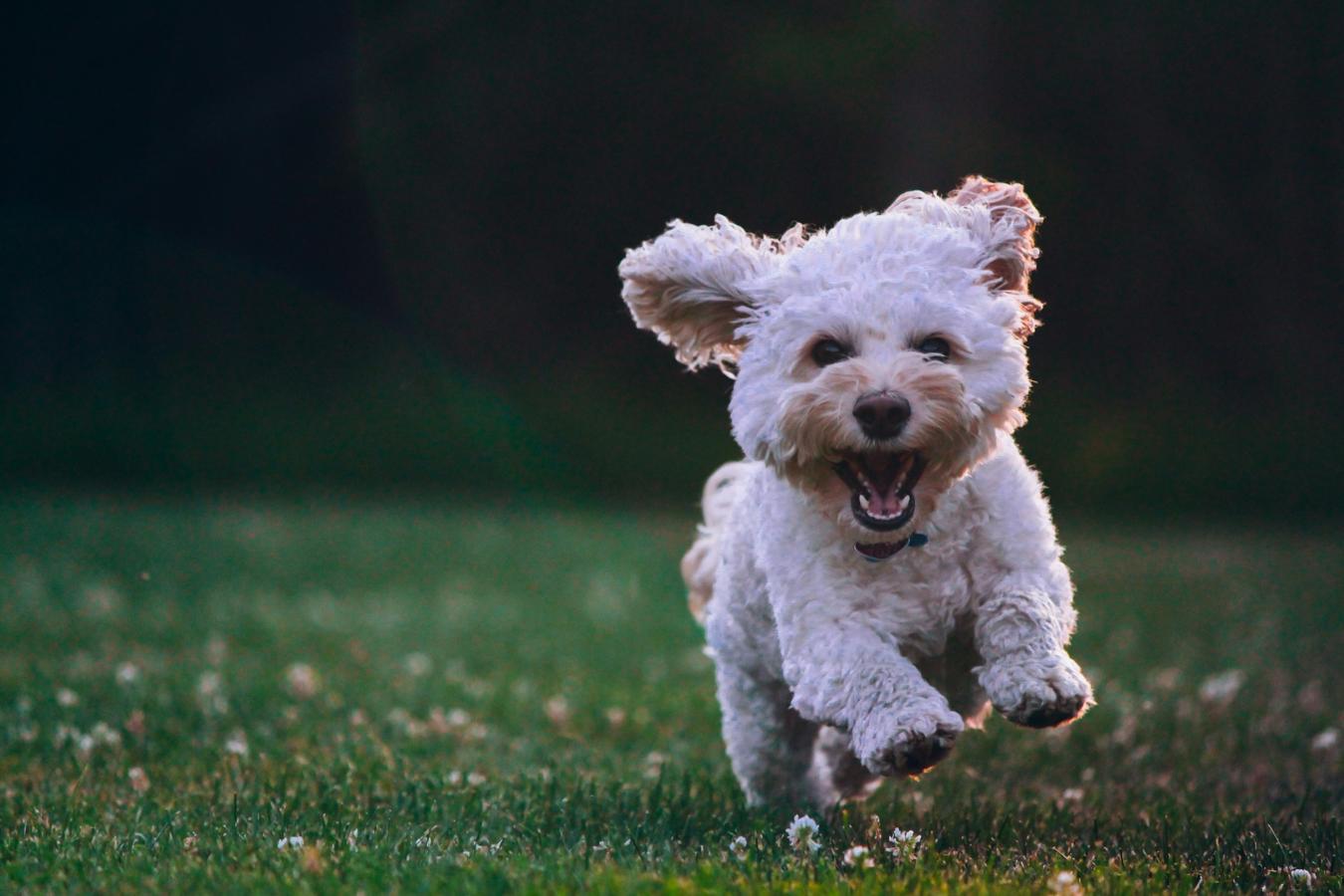
A recall that holds when the field comes alive is built with careful staging, precise criteria and clean repetitions. This guide shows you how to add real distractions to an already taught recall without blurring the cue or eroding confidence. It follows Laura Hill’s calm, structured approach so your dog learns that returning to you is always the right choice, even when everything else invites them to stay out.
Map the distractions your dog will meet
Start by listing the exact pulls your dog will face on the ground you work. Scent lines from game. Movement such as birds lifting. Sound such as shot or a drive starting. People and dogs nearby. Rank them from light to heavy based on how strongly they hold your dog’s attention. This list becomes your plan. You will train each item in order, from easiest to hardest, so the dog always meets the next challenge with confidence.
Set a clean baseline before you add anything
Confirm the recall is crisp in simple conditions. One cue only. Immediate head turn. Direct travel to your feet. Calm reward. If any part is slow or messy, refresh the foundation now. Distraction proofing magnifies gaps. A tidy baseline protects clarity and keeps progress steady when you begin to add pressure.
Create controlled setups that present one pull at a time
Introduce a single distraction while keeping everything else simple. Work in a familiar paddock with short grass and good sight lines. Place the distraction at a predictable distance. Keep your dog on an insurance line if needed for safety. You are not using the line to haul the dog in. It is a quiet backstop while the dog learns that the cue has priority.
Examples of clean single factor setups
-
Light movement. A helper walks slowly across the far edge of the area
-
Mild scent. A scented dummy is placed ten paces off the dog’s path
-
Ambient sound. A helper closes a gate or rustles a small bag at a distance
Call once. If you get a fast turn and direct travel, pay well and reset. If the dog hesitates, reduce the power of the single factor, not several things at once. The aim is to change only one variable per repetition.
Shape decision making with simple choice points
Set up moments where your dog chooses between the distraction and you. Let the dog notice the pull, then give your cue with a neutral body picture. Reward the instant the head turns your way. This teaches that orienting to you is the start of success. Then pay for arrival at your feet. Over time the head turn becomes automatic, even before the rest of the body follows.
Introduce movement based distractions the smart way
Movement is exciting by nature, so you will build this carefully.
-
Begin with a helper strolling at a distance
-
Progress to a slow jog
-
Add direction changes by the helper
-
Only then add brief, unexpected movement such as a step from behind a post
Keep the dog’s travel path free of obstacles so the pull is the only difficulty. Return to an easier version after any slow response.
Use sound distractions with calm timing
Sound can startle or flood attention. Teach the recall to cut through it.
-
Play a short, low volume field recording at a distance
-
Increase volume slightly across sessions
-
Move the sound source slowly closer
-
Mix in short silences so your cue never has to fight a constant wall of noise
Place your cue during a small gap in sound at first. Later, give it while the sound is still present so the dog learns to listen for you in busy moments.
Bring in scent methodically
Scent is powerful and often invisible to us, so make it predictable.
-
Start with a lightly scented dummy placed off line
-
Move it closer to the travel path once responses are clean
-
Introduce a short line of scent that crosses the path
-
Finally add a short arc of scent that the dog might choose to track
Call before the dog reaches the strongest point of the scent source. Reinforce the first sign of head turn. If the dog dives into the scent, step back to a lighter placement on the next repetition.
The right tool for consistency
In the middle of your programme, standardise the recall cue so it always sounds the same across conditions by using an ACME dog whistle that produces a clear, pure tone with minimal breath effort.
Build layered distractions without mixing categories too soon
Once the dog handles a single factor, you can pair two light factors from the same category, such as two moving people. Then pair a light factor from movement with a very light factor from sound. Only move to mixed categories when both single categories are already strong. This keeps the difficulty honest and prevents muddled sessions.
Reward strategy that protects speed
Use high value rewards delivered with tidy timing. Mark the instant of head turn when the dog chooses you. Pay at your feet for a clean finish. If the dog slows on approach, shorten the distance for the next repetition and pay even more quickly on arrival. Keep rewards quiet and low key so the ritual does not become another distraction.
Handler skills that keep the picture clear
Your body can either help or muddy the message. Stand still between cues. Keep hands quiet. Face your dog and avoid stepping toward them during the turn phase since that can feel like pressure. Breathe before you cue so the first note is clean. Speak softly after the arrival to preserve the calm rhythm you want under pressure.
Progress checkpoints to keep standards high
Track three numbers. Time from cue to head turn. Time from turn to arrival. Percentage of first cue successes in the session. Set a rule that you only progress to a stronger version of the same distraction when you achieve five fast first cue reps in a row. If you record two slow responses in a row, drop the difficulty by one step on the next repetition.
Field scenarios to rehearse once the basics hold
-
Recall off a moving helper who walks a dog at distance
-
Recall across a faint scent line that crosses the path at right angles
-
Recall while a helper lifts an arm in a brief wave near the boundary
-
Recall while two helpers talk quietly on the far edge of the area
Keep the same rules. One change at a time. Call once. Pay decisively. Reset cleanly.
Common mistakes that weaken distraction proofing
Calling repeatedly when uncertain. Moving closer while you cue. Changing more than one factor at a time. Allowing the dog to explore the distraction immediately after a slow response. Each of these teaches the dog to wait you out. Instead, make the next repetition easier, get a fast success, and finish the session early.
A recall that survives real distractions is the product of tidy staging, single factor setups, and unwavering criteria. By mapping the exact pulls your dog will meet, confirming a clean baseline, and then layering movement, sound and scent with simple choice points, you turn the recall into a reflex your dog trusts. Keep sessions short. Change only one thing at a time. Reward the decision to turn to you and the commitment to finish the return. With that rhythm in place, your dog learns that even the liveliest field is no match for a clear cue and a calm handler.