
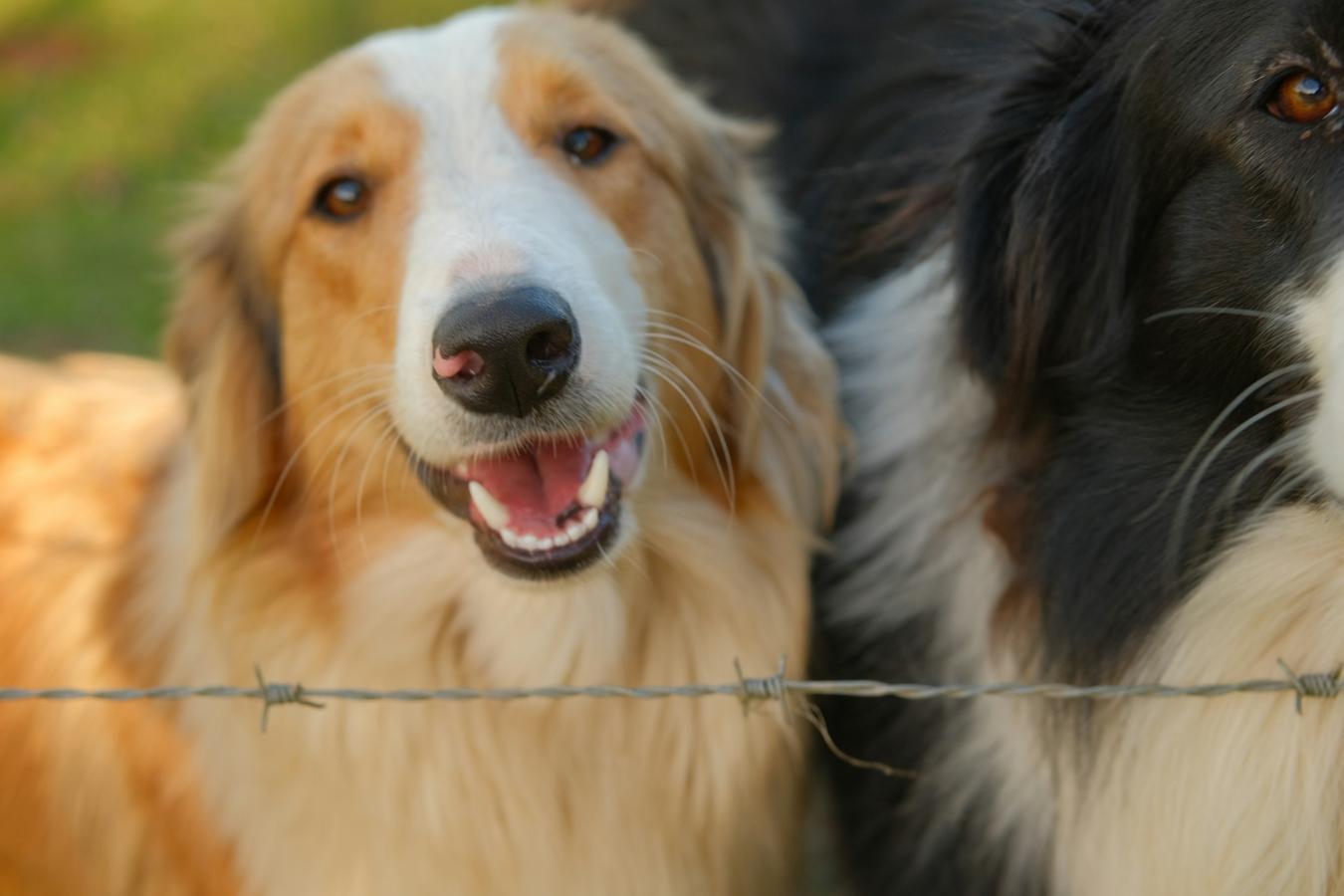
Every handler meets the moment when a recall falls flat. What you do in the next few seconds protects safety and sets the tone for future sessions. This article gives you a clear, field ready response for that moment, then shows you how to diagnose the cause and restore cue clarity without starting again from scratch. The approach reflects Laura Hill’s calm, methodical style and keeps the focus firmly on fixing missed recalls rather than teaching a new one.
The immediate plan when the recall fails
First, protect the dog from rehearsing the mistake. Stop moving and lower your profile. Speaking loudly or chasing can turn the situation into an exciting game that rewards not coming back. Turn sideways to reduce social pressure and soften eye contact. Offer a neutral second cue only once the dog glances in your direction. If you get no change, walk calmly to a point that shortens the distance without entering a pursuit. When you reach a sensible cutoff, attach the line quietly and leave the area. The session is over. You will fix the problem in training rather than in the heat of the moment.
Capture and use the final seconds wisely
If the dog begins to drift back on their own, mark that decision the instant it happens and pay at your feet. Do not lecture or replay the failure. Your goal is to end on the behaviour you want, even if it came late. Make a short note on what preceded the miss so you can build a matching setup later.
Find the true cause with a simple triage
Most blown recalls fall into one of four categories. Each has a specific remedy. Run this triage on neutral ground within twenty four hours while the memory is fresh.
Cue clarity
Ask for a recall at short range in a quiet paddock. If the dog hesitates, the sound or pattern has lost meaning. Re establish the association with a dozen crisp, first cue reps that end in quiet payment at your feet. If these are slow, the problem starts here.
Competing value
Present a mild version of the likely pull such as a faint scent line or a helper walking in the distance. If the recall softens only when the pull appears, you have a value problem. You will reduce the pull and rebuild success in controlled setups.
Environmental reach
Test the same cue across wind directions and over a small rise. If response varies with wind or contour, the dog did not hear the first note clearly. You will adjust timing and position so the cue lands cleanly.
Handler picture
Film three recalls. Check for stepping forward as you cue, hands moving between notes, or a voice that follows the whistle. Extra movement and chatter can blur the message. Strip the picture back to stillness between cues.
Reset the cue without starting over
When clarity is the issue, use a short, three day reset. Choose one simple ground. Give one recall at a time, then pause for at least thirty seconds before the next. Pay at your feet with calm delivery. End each session after eight clean reps. On day two add a few steps of facing away before you cue so the dog learns to respond even when your body is not square on. On day three add a single change of handler position such as kneeling to test generalisation without adding range or distraction.
Re balance competing value
Match the trigger you observed at a much lighter level and make the recall the easier choice. Work with one factor only. If a faint scent line caused the miss, place a lightly scented dummy ten paces off the dog’s path and call before the nose reaches it. If movement drew the dog, have a helper stroll slowly at distance and call as the head turns toward the motion. Get five fast first cue successes, then end the session. Increase difficulty one small step at the next session. You are proving that your cue wins every time, not testing the dog’s willpower.
Make sure the first note carries
If wind and contour were in play, adjust your timing so the first note reaches the dog before sound is lost. Cue just before a crest rather than after it. Stand crosswind when you can so the note travels across the path the dog is running. Keep your own position slightly higher than the dog where possible so the sound has a clear line. Small changes in placement often remove the need for more volume.
Clear up handler noise
A common thread in missed recalls is a busy picture from the person holding the whistle. Practise the sequence without the dog. Breathe, count a steady beat in your head, then cue once. Keep hands still at your sides before and after. Add the dog only when you can repeat the same calm delivery ten times in a row. Film the first session back with the dog and compare to your rehearsal to catch drift.
Stabilise your physical setup
In the centre of your plan, standardise how you present the whistle by wearing a dog whistle lanyard that places the mouthpiece in exactly the same position for every cue so breath pressure and tone remain consistent.
Decide what to do about failure history
After a blown recall, the next few sessions carry extra weight. Adopt a simple rule. Three sessions of fast first cue recalls before you return to the ground type where the miss occurred. When you do return, start at a shorter distance than the miss and end the session early after the first three clean reps. This rebuilds confidence in that specific context without risking another failure.
Reinforcement that repairs speed without bribery
You are not paying the dog to come back. You are recognising a correct decision. Use small, predictable rewards delivered at your feet. Avoid waving food or toys before the cue since that pulls attention away from the signal. If approach speed softens after a miss, pay immediately on arrival for three reps, then return to your normal rhythm. Keep the end of each session quiet so arousal does not spike and wash out the learning.
Quick fixes for common patterns
Late head turn at long range. Shorten the distance by a third and cue one stride earlier on the next repetition.
Dog circles on arrival. Step back half a pace and present a still target at your feet so the dog has a clear finish point.
Dog returns slowly after a miss. Run three short reps at an easy distance with instant payment, then stop for the day.
Dog skims past and re engages with the environment. Pay at your feet, then quietly attach the line and take a brief walk before resetting. The walk ends the repetition and removes any reward from the skim.
Build a maintenance habit that prevents repeats
Run one short recall audit each week. Five reps on easy ground. Two reps with a mild version of the original trigger. One rep over a small contour change. Record cue to head turn time and arrival time. Any slow pair in a row triggers a step back in difficulty on the next outing. This habit keeps small drifts from becoming big misses.
When a recall fails, a calm pause and a tidy exit protect both safety and learning. The repair plan is simple. Find the true cause, reset clarity in short sessions, match and reduce the competing value, and clean up the handling picture so the first note always lands. Standardise small details that keep the cue constant and use brief audits to spot drift early. With that rhythm in place, the next time your gundog wavers you will already know the exact step that restores a fast, confident return.