We use cookies to make your experience better. To comply with the new e-Privacy directive, we need to ask for your consent to set the cookies. Learn more.

How Genetics and Training Work Together to Create the Ultimate Gundog
- January 13, 2026
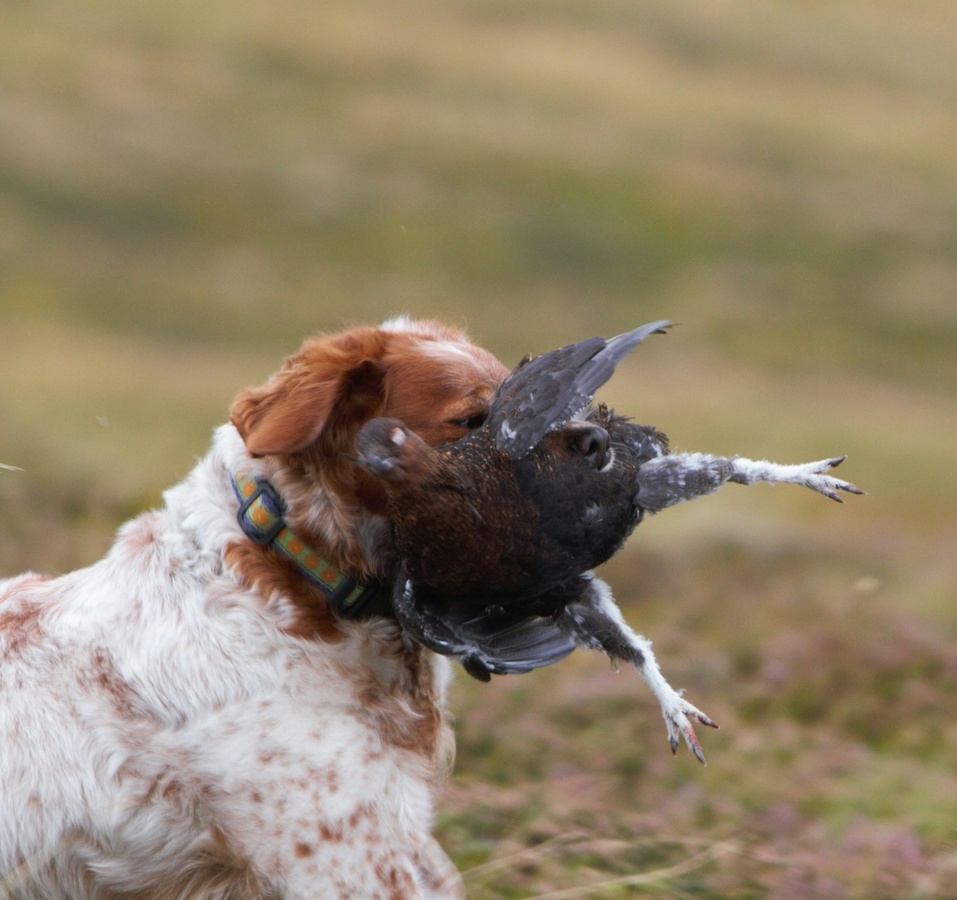
In gundog work, “ultimate” rarely means the fastest or flashiest dog. It means the dog you can trust when the wind is wrong, the cover is heavy, the line is long, and the bird is down in the worst possible place. Genetics sets the ceiling and the default settings. Training decides how much of that potential becomes usable, repeatable behaviour.
For experienced handlers, the interesting bit is not whether breeding matters. It is how to read what a line tends to give you, then build a training system that respects that dog’s natural operating style while still meeting the job’s standards. Whistle handling sits right in the overlap, because it translates temperament and learning style into distance control.
What bloodlines really “give” you in the field
Bloodlines do not deliver finished behaviours. They deliver tendencies that show up under pressure and at distance. Those tendencies affect how your whistle cues land, especially when the dog is running on adrenaline and environmental noise.
Drive, hunt pattern, and the dog’s default speed
Some lines naturally cast wide and hunt with pace. Others keep a closer, methodical pattern. Neither is better in isolation, but they demand different whistle strategies. A fast, wide hunting dog often needs earlier information and cleaner stop cues because it covers ground quickly and can outrun your timing. A methodical hunter can tolerate a fraction more delay, but may need more encouragement to push into difficult scenting.
Nerve and resilience under surprise
Nerve strength shows up when something changes unexpectedly. A bird flushes tight. A shot echoes off a wood. Another dog breaks. A resilient dog can take a whistle cue after a spike of arousal and return to the task. A more sensitive dog may need a calmer cue profile and a steadier rhythm of information, so it does not tip into avoidance or frantic checking.
Biddability and “handler gravity”
Some lines are naturally handler-focused. Others are independent problem solvers. Independence is valuable on real game, but it increases the risk of “self-employment” if your cues are inconsistent. Biddability makes early learning smoother, but it can also produce over-reliance, where the dog hesitates without direction. Your whistle work can either balance that tendency or exaggerate it.
Training turns tendencies into skills
Genetics sets the raw ingredients. Training decides whether you end up with a dog that makes good decisions, or a dog that merely obeys when conditions are easy. The highest performing dogs are not “programmed”. They are shaped into clarity, then proofed into reliability.
Clarity beats intensity
Many talented young dogs fail to convert potential because the handler asks for precision before the dog understands the game. For whistle handling, that often looks like repeated stopping, repeated casting, and repeated corrections with no stable picture of what “right” feels like. A genetically driven dog will tolerate a lot of pressure, but may get hard and dismissive. A softer dog may comply briefly, then unravel later under stress.
Proofing must match the dog’s inherited arousal curve
Different lines rise and fall in arousal differently. Some switch on instantly and stay high. Others build slowly and then peak. Your proofing plan needs to respect that curve. If the dog peaks quickly, you prioritise early control: crisp stops, predictable casts, and short wins before the dog boils over. If the dog builds slowly, you may need to create motivation first, then add control without flattening the dog’s desire to hunt and retrieve.
Whistle work is where genetics and training meet at distance
A whistle cue is a compressed message. At range, you are not “training” in the moment. You are testing the dog’s underlying temperament, its prior learning, and its willingness to stay connected. This is why two dogs can receive the same cue and produce two very different outcomes.
Choosing a cue profile the dog can hold onto
Some dogs respond best to a bright, sharp sound that cuts through wind and cover. Others work more smoothly with a rounder, less piercing tone. The right choice is the one the dog can recognise instantly when excited. If a dog is inclined to rush, a clear stop cue with a distinct timbre can reduce ambiguity. If a dog is inclined to worry, a slightly softer sound can prevent the stop from feeling like a reprimand.
Pitch sensitivity and consistency
Dogs vary in how finely they discriminate pitch and how they generalise a cue across contexts. A line with strong handler focus may accept minor variation and still respond. A more independent dog may treat variation as a new cue and simply continue hunting. Consistency in your own blowing matters, but so does selecting a whistle that helps you produce repeatable notes without strain.
One system, not a collection of noises
Advanced handling improves when each whistle cue has one job and one picture. A stop cue means stop and face. A recall cue means come to heel line, not orbiting. A directional cue means commit to that line until updated. When a dog’s genetics produces a strong tendency, such as over-hunting or over-checking, disciplined cue meaning is what prevents that tendency from becoming a habit.
It is also where the dog training whistle becomes more than a simple attention getter, because it is your tool for keeping the dog’s decision-making inside the boundaries you have trained, even when the dog’s inherited instincts are pulling hard in another direction.
Reading the dog in front of you and adjusting the handling plan
At an experienced level, you are not asking, “Does the dog know this?” You are asking, “What is the dog choosing under pressure?” That choice is where breeding shows and training proves itself.
The fast, high-drive dog
These dogs make things happen, which is why people love them. They can also turn a small handling error into a big distance problem. For them:
- Build a stop that is calm, not confrontational. You want the dog to stop without adding heat.
- Use earlier updates. If you wait until the dog is already committed to the wrong line, you are gambling on compliance.
- Keep casts simple when the dog is hot. Straight, confident direction beats clever micro-handling.
The thoughtful, methodical dog
These dogs can be wonderfully accurate, especially on difficult scent. The risk is loss of momentum or over-checking to the handler. For them:
- Reward commitment to line. When you cast, let the dog run and solve without constant reminders.
- Be careful with frequent stops. Too many can create a dog that waits for instruction rather than hunting.
- Use whistle cues to support confidence, not to control every step.
The sensitive dog with plenty of talent
Sensitivity is not weakness. It is information. These dogs often read pressure early and remember it. For them:
- Keep your tone steady and your criteria predictable.
- Prioritise “clean reps” in new environments, then increase complexity.
- Choose handling moments carefully. A late, sharp stop can feel punishing even when you do not intend it to.
Breeding decisions and what they mean for whistle handling later
If you are selecting a pup or planning a breeding, think beyond labels like “field trial” or “shooting line”. Consider what those dogs are likely to produce in the parts of work where whistles matter most: steadiness, responsiveness at range, and composure in distracting company.
Look for inherited trainability, not just retrieval desire
A strong retrieve is helpful, but it does not guarantee a dog that will stop cleanly in pressure. Lines that regularly produce dogs who remain connected while hunting tend to convert to advanced handling more easily, because the dog naturally checks in without losing initiative.
Soundness and physical efficiency
Handling is not only a mental exercise. A dog that moves efficiently and stays comfortable will maintain attention longer and respond more reliably at distance. Poor physical efficiency can create “selective hearing” that is really fatigue, discomfort, or poor stamina.
Trainer perspective can sharpen your selection
Handlers who see many dogs across a season often notice which inherited traits make advanced distance control easier. Laura Hill, who works with gundogs across demanding real-world retrieves, often highlights the value of a dog that can stay composed and responsive without losing its hunting initiative.
Bringing it together on real retrieves
The finished gundog is not the product of genetics alone, and it is not the product of training alone. It is the match between what the dog is built to do and what you have taught the dog to do when instinct, environment, and excitement collide.
When your breeding choices support stability, and your training system builds clear whistle meaning with thoughtful proofing, you get a dog that can take direction without losing purpose. That is the practical definition of “ultimate” in the field: a dog that stays bold, stays honest, and stays handleable.
ACME Whistles has long supported handlers who need dependable communication at distance. If you are refining your handling system, explore ACME’s range of whistle pitches and materials to find a sound you can blow consistently and your dog can recognise instantly in your usual ground. You can also find practical reading and training insights through ACME Kennels, especially on building reliable stop and cast responses for serious gundog work.
FAQs
Do certain bloodlines respond better to whistle handling?
Some lines tend to produce dogs that stay more connected to the handler at distance, which can make advanced handling easier. Even so, clarity and consistent cue meaning remain decisive for reliability.
Should I change whistle pitch for a young dog with high drive?
Only if the current sound is hard for the dog to discriminate when excited, or hard for you to blow consistently. The goal is instant recognition under arousal, not simply a louder or higher sound.
How do I avoid creating a dog that stops too often and loses initiative?
Use the stop as a precision tool, not a habit. Make sure the dog gets plenty of opportunities to run a line and hunt without interruption, and reserve handling for moments where it adds real value.
Can a very independent dog still become highly handleable?
Yes, but it usually requires stricter consistency in cue meaning and better timing. Independent dogs often respond best when they learn that taking direction leads to success, not when they are micromanaged.
What is the biggest mistake handlers make when matching training to genetics?
Training the dog they wish they had, rather than the dog they actually have. When you respect the dog’s inherited arousal pattern and decision style, your whistle work becomes calmer, clearer, and more effective.