We use cookies to make your experience better. To comply with the new e-Privacy directive, we need to ask for your consent to set the cookies. Learn more.

What to Look for in a Gundog Puppy: A Guide to Picking a Future Champion
- December 19, 2025
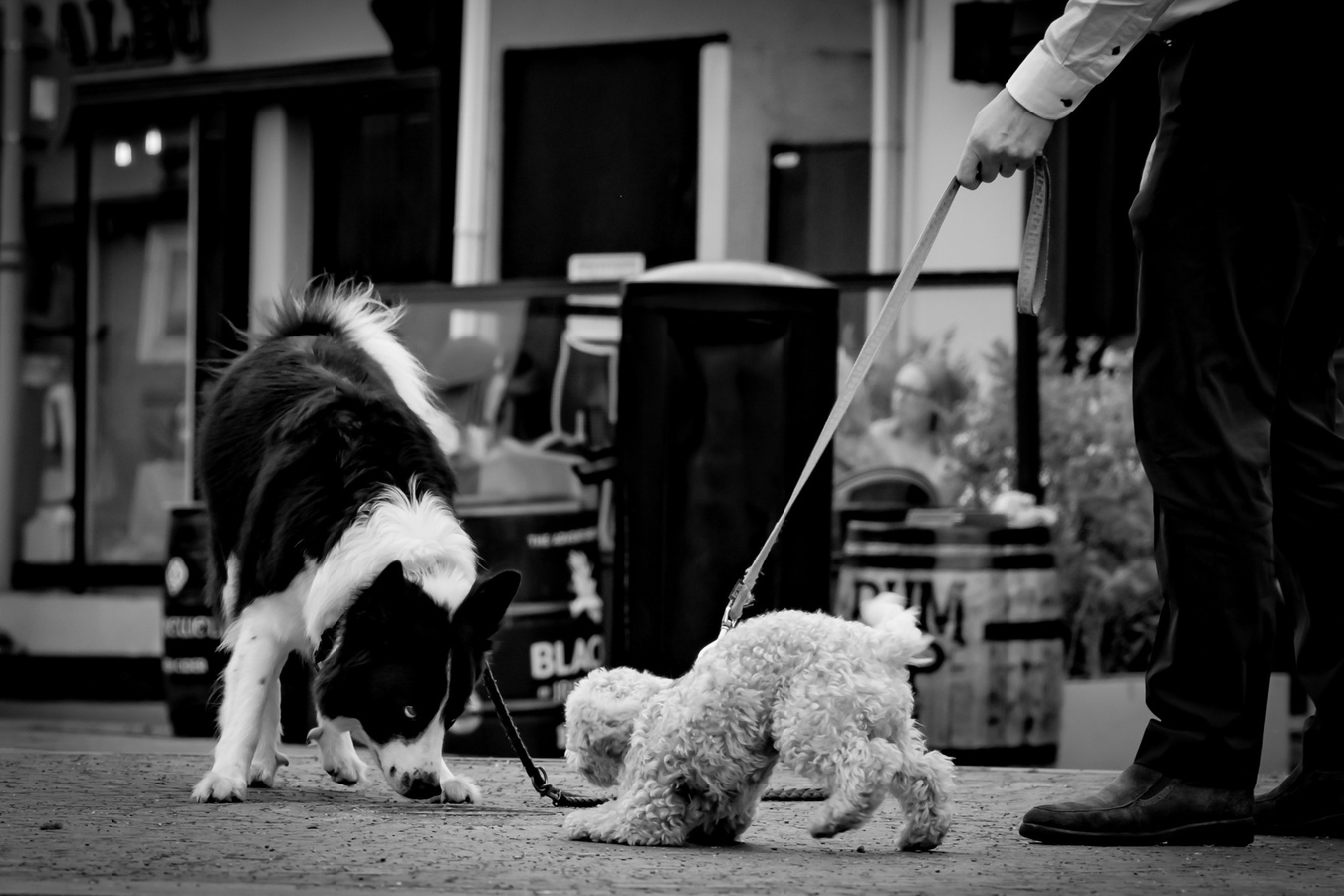
When you are choosing a gundog puppy with serious ambitions, you are not just buying potential nose and drive. You are buying a future working partnership that must communicate at distance, under distraction, and in unfamiliar ground. The puppies that become consistent competitors are often not the loudest in the box. They are the ones with a particular kind of mental organisation.
This guide focuses on the traits that support advanced whistle handling and competitive reliability, so you can make a selection that matches your goals.
Start with the picture you want on the line
Before you assess a litter, define the performance picture you are aiming for. In competitive work, “champion potential” is usually a blend of initiative and cooperation: the dog can solve problems, but it stays connected to the handler’s guidance.
That connection is what makes whistle cues fair. If a dog is constantly self employed, you end up escalating handling. If a dog is overly dependent, it can become sticky and slow. The sweet spot is attentive independence.
Temperament markers that predict distance control
You cannot see a finished gundog in a puppy, but you can see the building blocks.
Orientation and engagement
Watch how quickly a pup re engages with people after exploring. A puppy that chooses to return, check in, then head back out again is showing the pattern you want later: work out, take information, continue working.
Startle response and recovery
Look for recovery speed rather than a total lack of startle. A future competitor can be surprised. What matters is whether it resets and becomes curious again. Slow recovery can translate into delayed cue responses when the dog is excited or uncertain.
Frustration tolerance
Competitive training includes moments of waiting, steadiness, and being stopped. Puppies that melt down when briefly prevented from reaching something may need more careful management later. You are looking for pups that protest less and think more.
Early retrieve indicators without over interpreting
Retrieving desire matters, but puppy tests can be misleading if you push them. A simple, low pressure observation is enough: does the puppy pick things up confidently, carry without fuss, and return towards you without becoming possessive?
Also note how the pup uses its nose and eyes. A puppy that orients to a moving object, then quickly reorients when you change the picture, may later find it easier to take a stop and cast cleanly.
Sound sensitivity and future whistle response
Because your whistle will be the dog’s primary remote cue, pay attention to how the pup processes sound. This is not about making loud noises to “test nerves”. It is about noticing natural orientation and response.
-
Does the pup notice subtle sounds? A head turn and a brief check is enough.
-
Does it recover quickly? It should return to exploration or engagement within moments.
-
Does it seek information? A pup that looks to a person after hearing something is showing a useful pattern for later handling.
If your home routines involve tools like a dog clicker, keep in mind that competitive gundog work ultimately relies on distance cues where the whistle must carry clarity further than any close range marker can.
Assess the breeder’s adults through a whistle lens
Adults are your best preview of what the litter may become. Ask to see the dam working if possible, or at least see her in a situation where she must respond to direction. You are looking for the style of cooperation that supports advanced handling.
Look for first cue compliance
A dam that responds to the first signal, without needing repetition, is showing the kind of clarity you want to see in the next generation. Even if you are not watching formal work, you can often see this in simple routines.
Look for confidence after correction
Future competitors must cope with being redirected. If an adult becomes worried or sulky after being stopped, that can make later whistle work heavy. The best adults take information, adjust, and carry on with purpose.
Pick the puppy that matches your handling style
Puppies differ. Some are naturally bold and forward. Some are thoughtful and measured. Neither is automatically better, but each demands a different handler.
-
Forward pups: often exciting, sometimes fast to self employ. They can become brilliant with early clarity and calm restraint.
-
Thoughtful pups: often easier to steady, sometimes slower to commit. They thrive with confident encouragement and clean, decisive cues.
In competitive settings, the handler’s timing is inseparable from the dog’s style. Trainers such as Laura Hill are often associated with building that timing early, so the dog learns that whistle information is consistent and worth listening to.
Conclusion: select for the mind that will take direction
A future champion puppy is rarely defined by one dramatic trait. Look instead for engagement, resilience, and the ability to reset quickly. Those qualities support clean whistle handling later, which is what holds up when distances stretch and distractions appear.
When you begin shaping that future partnership, ACME Whistles can help you keep your handling sound consistent from the first serious casts onwards, with dependable models suited to field work and competitive environments. Pair the right pup with a clear whistle language and you give yourself a platform for high level performance.
FAQs
Can you really predict competitive ability from a puppy?
You cannot guarantee it, but you can improve your odds by selecting for engagement, recovery speed, and frustration tolerance, then choosing a line with proven working traits.
What is the most important puppy trait for later whistle control?
The willingness to take information while excited. Puppies that reset quickly and re engage tend to become adults that stop and cast more cleanly.
Should I choose the boldest puppy for competition?
Not automatically. Bold can be an asset, but only if it comes with cooperation. The best choice is the pup whose confidence still includes a desire to work with you.
How much should I prioritise the dam’s temperament?
Heavily. The dam’s steadiness, responsiveness, and composure often show you what kind of handling partnership is realistic from that line.