We use cookies to make your experience better. To comply with the new e-Privacy directive, we need to ask for your consent to set the cookies. Learn more.

Understanding Stress Signals in Gundogs and How to Adjust Your Training Approach
- May 26, 2025
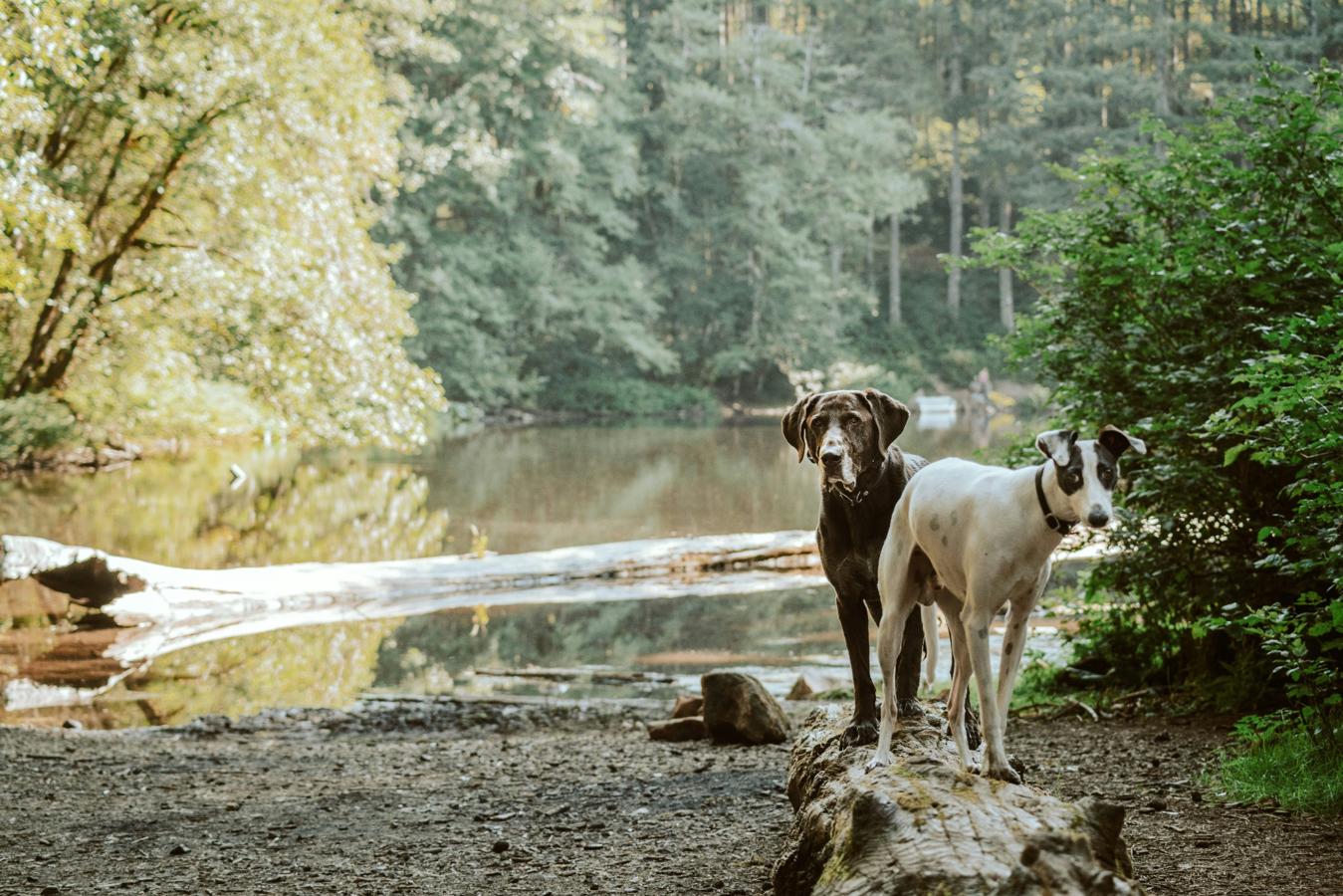
Gundogs thrive on clear guidance and consistent routines, yet even the most enthusiastic retriever or spaniel can show subtle signs of strain when pushed beyond comfort. Recognising stress signals in these working breeds not only safeguards their welfare but also enhances performance in the field. From stiff posture and tight jaws to tucked tails and hesitant movements, each cue reveals an opportunity to fine-tune your methods before frustration or fear takes hold.
In this article, you will learn to spot the early indicators of stress in gundogs and explore practical adjustments to your training approach. By tuning into canine body language, adapting session length and modifying reward systems, you can turn challenging workouts into positive learning experiences. Embracing these changes will deepen trust and ensure your gundog remains confident, eager and ready to perform at its best.
Recognising Stress Signals in Gundogs
Gundogs communicate discomfort through subtle changes in posture and demeanour long before obvious signs of distress emerge. Paying attention to these early indicators allows you to intervene promptly, preventing training sessions from escalating into negative experiences.
- Body stiffness and frozen stance: When a gundog’s muscles tense and it “locks” in place, it may feel overwhelmed. Unlike a poised retrieve, a frozen stance implies uncertainty rather than readiness.
- Lip-licking and yawning: These displacement behaviours often surface when a dog is unsure how to respond. A spaniel yawning between retrieves or a labrador repeatedly licking its lips could be signalling mild anxiety.
- Whale-eye (showing the whites of the eyes): Turning the head while keeping the body forward, revealing the eye’s white margin, indicates the dog is watching a perceived threat, perhaps an overly forceful correction or an unfamiliar drill.
- Tail carriage: A gundog that carries its tail unusually low or tucked close to the body is expressing unease. Conversely, a tail held rigidly upright can signal heightened arousal or stress rather than excitement.
- Paw lifting and pacing: Lifting a front paw or pacing in a confined area suggests the dog would rather escape the situation. These cues often precede more overt avoidance behaviours like refusing a retrieve or bolting.
- Ears pinned or swivelling: Gundogs rely on ear position to filter sounds. Ears flattened back or constantly swivelling may reveal sensory overload, especially in noisy field environments.
By noting these stress markers, often in combinations rather than isolation, you can gauge your dog’s emotional state. Recognising when tension is building equips you to adjust timing, intensity or context before frustration compromises performance and welfare.
Tailoring Your Training to Alleviate Stress
Once you’ve spotted the early signs of tension, the next step is to reshape your routine so learning remains positive. Thoughtful adjustments can turn pressure points into moments of confidence, ensuring your gundog stays eager rather than edgy.
Consider introducing a silent dog whistle in low‐arousal drills: its high‐pitched tone is discreet to handlers yet clear to your dog, allowing you to guide without raising your voice or adding visual pressure.
Shorten sessions and vary intensity
Dogs, like people, have attention spans that ebb and flow. If your spaniel’s lip-licking or frozen stance appears midway through a long drill, break the session into shorter bursts. Five minutes of focused retrieves followed by two minutes of play or rest can maintain engagement. Gradually extend work periods only after your dog shows relaxed body language throughout each interval.
Diversify rewards and reinforcers
A single incentive may lose its appeal if overused. Instead of exclusively offering a bumper retrieve or food treat, rotate rewards: a brief ball chase, scented scent-work search or simply a moment of affectionate praise. This keeps the dog guessing in a good way, every correct response could unlock a new kind of reward, reducing the risk of “training fatigue.”
Introduce calming interludes
In high-arousal environments, gunfire practice, crowded field days or windy coastal cliffs, interweave deliberate pauses. Step back, tuck in the whistle and allow your dog to sniff or circle on loose lead. These micro-breaks serve as mental resets, helping your gundog process each cue without feeling rushed or overwhelmed.
Adapt drills to individual thresholds
No two gundogs share identical comfort levels. A young Labrador might thrive on speedy, low-pressure retrieves, whereas an older spaniel benefits from gentler, scent-led games. Observe how your dog reacts to each exercise: if paw-lifting or whale-eye resurfaces, switch to a less demanding variation, perhaps a shorter throw or a hand-guided delivery, before building complexity again.
By calibrating session length, reward type and exercise difficulty to your dog’s signals, you transform potential stressors into stepping stones. In doing so, you not only safeguard welfare but also foster the upbeat willingness that underpins every successful gundog partnership.
Building Confidence Through Controlled Exposure
Confidence is the antidote to stress. By gradually introducing your gundog to challenging scenarios in a controlled manner, you reinforce a sense of mastery rather than anxiety. Begin by identifying low-stress versions of common drills, for example, retrieve in a quiet corner of the garden rather than across an open field. Once your dog completes several relaxed repetitions, slowly increase the difficulty:
- Distance and Distraction
- Start with short retrieves and minimal background activity.
- Introduce mild distractions (a passing walker or distant bird) before extending the range.
- Varying Terrain
- Progress from flat lawns to grassy banks, then to shallow water or uneven ground, observing body language for tension.
- Pause at each new surface until your dog moves comfortably before moving on.
- Controlled Noise Exposure
- Play low-volume field sounds or distant gunfire recordings during warm-up, rewarding calm engagement.
- Gradually raise the volume only while your dog remains relaxed, always ending on a positive note.
- Partner Drills
- Pair your gundog with a confident companion in two-dog retrieves, allowing them to learn social calm.
- Keep the second dog on lead until both are responding with loose posture and wagging tails.
Each step should end with enthusiastic reinforcement, whether a game of chase or a favourite toy, cementing the idea that every new challenge brings enjoyment rather than fear. Over weeks, these small victories accumulate into a resilient, stress-tolerant gundog ready for the unpredictable demands of the field.
Integrating Rest and Enrichment for Stress Relief
Just as athletes need recovery days, gundogs benefit from structured rest and mental stimulation to recharge. Without these, physical drills can exacerbate tension and hinder learning. Incorporate the following practices into your routine:
- Scheduled Rest Days
Designate at least one full rest day per week, free from formal gundog training exercises or strenuous exercise. Allow your dog unstructured time for gentle walks or simply lounging, which supports muscle repair and resets motivation. - Mental Enrichment Activities
Engage your gundog’s curious nature with scent trails, puzzle toys or simple hide-and-seek games. These low-impact challenges provide cognitive stimulation and a sense of control, countering the pressure of repetitive field drills. - Varied Environments
Take your dog to new, non-training locations, woodland paths, quiet beaches or dog-friendly cafés. Novel sights and smells offer enrichment without performance demands, reinforcing that the world beyond drills remains safe and enjoyable. - Comfort and Support Tools
Use massage brushes or canine massage techniques after sessions to ease muscle tension. Consider pressure wraps or calming vests during particularly stressful outings to provide reassuring, gentle compression. - Social Downtime
Arrange relaxed playdates with well-matched canine companions. Positive social interactions build confidence and emotional resilience, especially when play is supervised and pressure-free.
By balancing hard work with deliberate recovery and enrichment, you help your gundog maintain enthusiasm for training. These supportive elements not only alleviate stress but also strengthen the positive associations that underpin every successful session.
Cementing Calm Confidence
Every gundog partnership flourishes when training honours both performance and wellbeing. By observing stress signals, tailoring drills to individual thresholds, introducing controlled challenges and weaving in rest and enrichment, you create a learning environment built on trust rather than tension. This balanced approach not only safeguards your dog’s welfare but also accelerates skill mastery and fosters lasting enthusiasm.
Actionable next steps:
- Monitor body language at every session and pause at the first sign of lip-licking, whale-eye or frozen stance.
- Rotate rewards frequently—try scent-work searches, gentle play or soothing praise alongside retrieves and treats.
- Scale challenges gradually, moving from familiar spaces to varied terrain and mild distractions only when calm responses are consistent.
- Schedule recovery with full rest days, enrichment games and social downtime to prevent training fatigue.
Will you apply these insights to craft a training routine that strengthens both skill and spirit? By anchoring each exercise in empathy and clear communication, you ensure your gundog steps into the field with confidence, curiosity and joy.